
Lieferung heute & morgen

Qualitätsgarantie

Willkommens-Angebote freischalten: KOSTENLOSE Lieferung | Bis zu 80 % RABATT | Kostenlose 30-Tage-JoyPlus-Testphase
App herunterladen
With such a vast array of brands, styles, and price points, choosing the right Champagne can be a challenge. Whether for a special occasion, an elegant gift, or personal enjoyment, finding the perfect bottle often requires more than a quick glance at the label. This guide provides a factual basis to help you make an informed decision and find the Champagne that meets your expectations. We focus on objective criteria and present a selection of products known for their specific characteristics.
To find the right French sparkling wine, it helps to understand a few fundamental characteristics. These criteria will help you better interpret the information on the label and make a targeted choice.
Dosage refers to the small amount of sugar added to the Champagne after the second fermentation to determine the final level of sweetness. This information is a crucial indicator of the taste profile.
The choice of Champagne can also depend on the occasion. For a reception or as an aperitif, a light, fresh Champagne, such as a Blanc de Blancs (made exclusively from Chardonnay grapes), is a great choice. For a festive meal or as Champagne for a gift, cuvées with a higher proportion of Pinot Noir grapes are often suitable, as they offer more body and structure. Well-known brands like Mo?t & Chandon or Veuve Clicquot provide consistent quality and are a reliable choice for gifts due to their high brand recognition.
Three main grape varieties shape the character of almost all Champagnes:
The blend of these three grape varieties is a key factor in determining the final product's aroma profile and structure.
Based on objective product characteristics, we have compiled a selection of three Champagnes. These offer a good cross-section of different styles and are worth considering if you plan on ordering Champagne online.
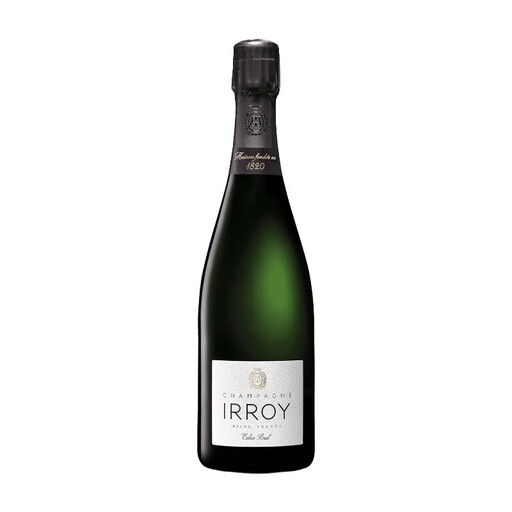
Why it stands out: This Champagne from the house of Taittinger is a prime example of the Extra Brut style. The cuvée consists of 70% Pinot Noir and Pinot Meunier and 30% Chardonnay. Aged for at least 30 months in the bottle, it develops a fine perlage and an expressive bouquet with notes of white flowers and citrus fruits. Its precise minerality and vibrant freshness make it a very elegant representative of its kind.
Pros:
Who it's for: For lovers of dry, mineral, and precise Champagnes who are looking for a product with a clear expression of terroir. It is an excellent choice as an aperitif or to accompany light, elegant dishes.
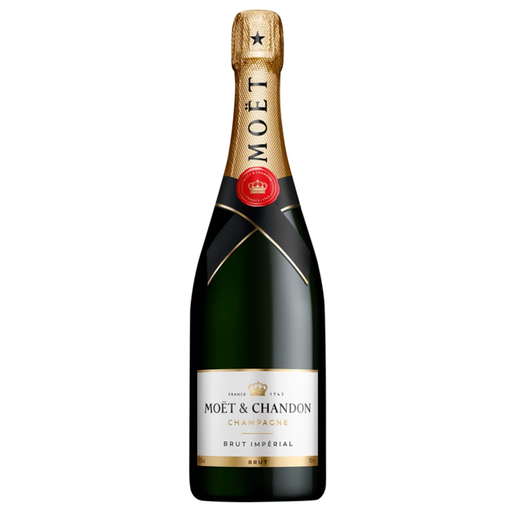
Why it stands out: The Brut Impérial is the iconic Champagne of the house of Mo?t & Chandon and perfectly represents its style. It is a balanced blend of the three main grape varieties and is distinguished by its lively fruitiness, a seductive palate, and an elegant maturity. Its universal and approachable character has made it famous worldwide.
Pros:
Who it's for: For anyone looking for a reliable and internationally acclaimed Champagne for celebrations, parties, or as a prestigious gift. It is approachable and appeals to both connoisseurs and newcomers alike.
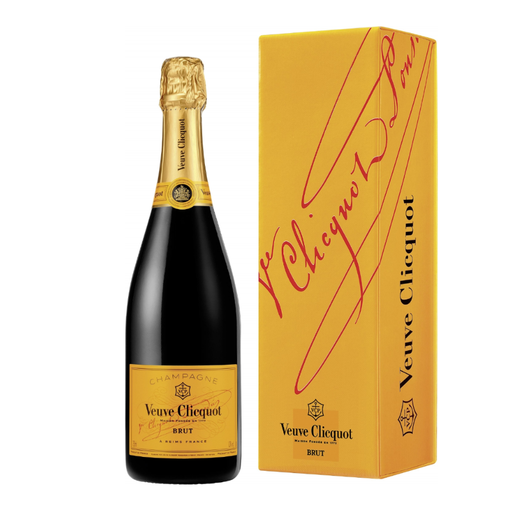
Why it stands out: The Brut from Veuve Clicquot is known for its powerful, Pinot Noir-dominant style. This dominance gives it structure, richness, and the characteristic aromas of brioche and ripe fruits, which are complemented by a fresh minerality. The distinctive yellow label makes it unmistakable.
Pros:
Who it's for: For enthusiasts who prefer a Champagne with more body and aromatic depth. Its structure and complexity make it a great choice for festive dinners or as a gift for connoisseurs who appreciate the Pinot Noir-driven style.
If these recommendations don't include the right Champagne for you, or if you wish to explore other styles and brands, you can find additional alternatives in our broader assortment. From small grower Champagnes to other major names, the world of Champagne is diverse.
Explore Our Entire Champagne Selection
The term "Champagne" is a protected designation of origin. Only sparkling wine that comes from the Champagne region of France and is produced according to strictly defined rules, including the traditional method of in-bottle fermentation (Méthode Champenoise), may bear this name. Sekt, on the other hand, is a general term for quality sparkling wine produced in Germany or Austria, which is subject to different production regulations.
Champagne should be stored in a cool, dark place with a constant temperature (ideally 10–12 °C). To keep the cork moist and prevent it from drying out, storing the bottle on its side is recommended. Direct sunlight and significant temperature fluctuations should be avoided.
For Champagne as a gift, brands with high recognition like Mo?t & Chandon or Veuve Clicquot are often a good choice. They represent reliable quality and are perceived as high-end by most recipients. For connoisseurs, a Champagne from a smaller but respected producer or a special vintage Champagne can also be a fitting option.