
Lieferung heute & morgen

Qualitätsgarantie

Willkommens-Angebote freischalten: KOSTENLOSE Lieferung | Bis zu 80 % RABATT | Kostenlose 30-Tage-JoyPlus-Testphase
App herunterladen
Champagne glasses should serve drinks stylishly, stand securely and suit the occasion. Yet product images and marketing terms don’t always help you make the right choice. A slender bowl, for example, may look elegant but be too delicate for everyday use. A large glass offers more capacity, but takes up more room in the cupboard and on the table.
This buying guide explains which criteria really matter when choosing champagne glasses, sparkling wine glasses and glasses for Prosecco. It’s not just about looks: capacity, material, cleaning and how you plan to use them all count.
The stated capacity of champagne and sparkling wine glasses is often mistaken for the recommended serving size. A glass with a capacity of 445 ml isn’t meant to be filled to the brim. The extra space can help the aroma and bubbles develop, but it also means the glass takes up more room and weighs more.
Smaller models are often better suited to a measured serving for more traditional occasions. So consider whether you’ll use the glass for a drinks reception, a celebratory meal or regular use.
Crystal glass can offer a clear finish and precise shaping. However, that doesn’t mean every crystal glass is durable or dishwasher-safe. Product information must specifically state if a glass is ‘dishwasher-safe’.
For glasses with gold-coloured rims, decoration or coated finishes, hand-washing may still be a good idea, even if they’re labelled dishwasher-safe. Harsh detergents, high temperatures and contact with other crockery can gradually affect the finish.
A large set can be handy for a wedding or party. For two people or occasional use, a smaller set of champagne glasses may be a better fit. You should also check whether the glasses are made from glass, crystal glass or plastic, and whether they’re reusable.
For plastic models in particular, it’s important to check the guidance on hot drinks, microwaves and cleaning. Disposable or lightweight party glasses serve a different purpose from durable glasses for the dining table.
Champagne flutes usually have a tall, narrow shape. They take up little room on the table and are a popular choice for receptions, weddings and celebratory toasts. The narrow opening can also help keep the bubbles noticeable for longer.
Wider glasses are sometimes similar to wine glasses for sparkling wine. Their larger bowls give the aroma and different styles of sparkling wine more room to develop. However, they’re usually less compact and may feel heavier when full.
Several glass shapes can work well for Prosecco, sparkling wine and champagne. Choose based on the drink, how you’ll be serving it and how comfortable you are handling delicate stemware.
Before buying, check:
A 220 ml model may suit classic serving sizes and smaller households. A 325 ml glass offers more room, but also takes up more space. Convert measurements such as ‘11 oz’ to metric or check them against the technical specifications.
For glassware, follow the manufacturer’s guidance on food contact, temperature changes and cleaning. According to the product information, the Atmosphera Clarillo meets EU requirements for materials intended to come into contact with food under Regulation (EC) No 1935/2004 and is free from lead and cadmium.
‘Dishwasher-safe champagne glasses’ are convenient, but a glassware or low-temperature cycle is still recommended. Hand-washing with warm water, mild washing-up liquid and a soft sponge can help delicate finishes stay clear for longer. Avoid boiling water, sudden temperature changes, abrasive cleaners and steel wool.
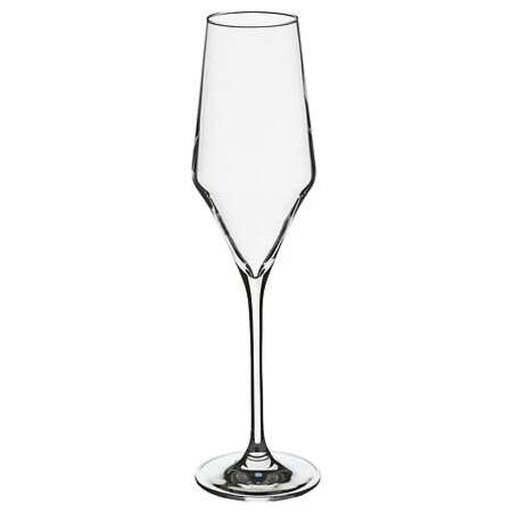
Why this product suits this profile: This single 220 ml glass is a good choice if you need one champagne glass or want to add to a set you already own.
The product details clearly state the capacity, height, diameter, material and cleaning instructions. This makes it easier to check that the glass meets your needs before you buy.
220 ml capacity, 24.2 cm height, crystal glass and, according to the product details, dishwasher-safe.
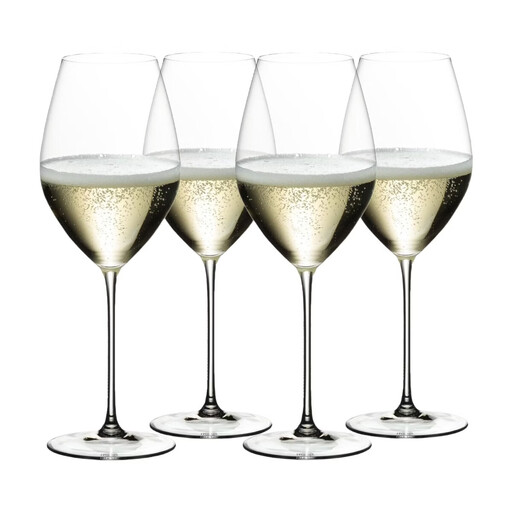
Why this product suits this profile: This set of four crystal glasses is ideal for hosts who want to serve sparkling wine in a wider bowl and need several matching glasses.
The capacity and number of glasses are clearly stated. This helps avoid confusing a large glass with a large recommended serving size.
Crystal glass, 445 ml per glass, set of 4 and, according to the product details, dishwasher-safe.
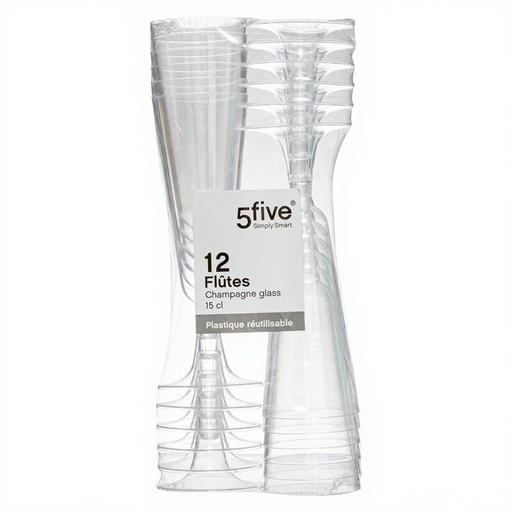
Why this product suits this profile: This set of 12 polystyrene glasses is designed for parties, picnics, camping and outdoor events where lightweight drinkware is important.
The product details clearly state that these are plastic, should be hand-washed and are intended for cold drinks only.
12 glasses, 150 ml capacity, lightweight design and, according to the product details, suitable for indoor and outdoor use.
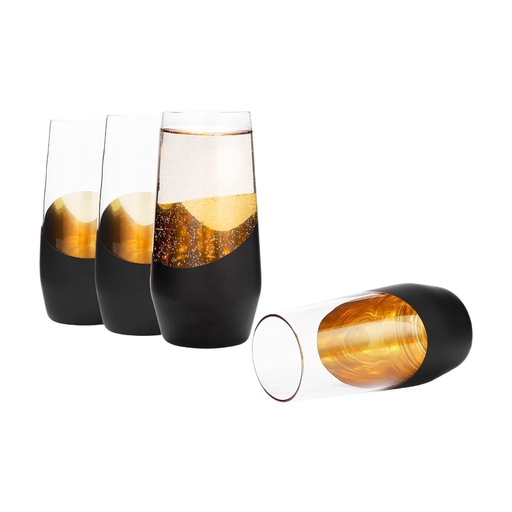
Why this product suits this profile: The black, stemless design with a gold-coloured rim is made for decorative table settings at celebrations and receptions.
The product details state the material, 325 ml capacity, number of glasses and cleaning instructions. Hand-washing is recommended to preserve the gold-coloured finish.
4 glasses, stemless design, 325 ml capacity and, according to the product details, dishwasher-safe.
Wash glasses with warm water and mild washing-up liquid before using them for the first time. If you’re using a dishwasher, make sure they’re positioned securely and kept away from heavier crockery. Let the glasses cool completely after the cycle before taking them out.
Where possible, store champagne flutes upright and don’t stack them inside one another. The stem and the point where it joins the bowl are particularly vulnerable to pressure and knocks. Check for cracks, chips or sharp edges before each use. Damaged glasses should no longer be used on the table.
Slim champagne flutes are a classic choice for receptions and toasts. Wider sparkling wine glasses can give the aroma more room to develop. Both shapes work for Prosecco, sparkling wine and champagne; the right choice depends on the shape, serving size and how you plan to use the glass.
It depends on the model. Only glasses specifically labelled as dishwasher-safe should be cleaned in the dishwasher. Hand-washing may be better for crystal glass, gold-coloured rims or decorated glasses.
There’s no single answer. Their lifespan depends on the material, wall thickness, stem design, cleaning and storage. Avoid knocks, hot liquids and sudden temperature changes. For outdoor parties, plastic glasses can be a practical alternative to breakable glass.