
Lieferung heute & morgen

Qualitätsgarantie

Willkommens-Angebote freischalten: KOSTENLOSE Lieferung | Bis zu 80 % RABATT | Kostenlose 30-Tage-JoyPlus-Testphase
App herunterladen
Anyone looking to buy Champagne and red wine online will find a wide selection from France and other wine regions. However, product pages do not always provide the same level of detail. Making the right choice therefore depends on more than just the brand name or packaging. The wine’s origin, grape varieties, alcohol content, flavour profile and serving temperature are all important.
Well-known houses such as Moët & Chandon, Veuve Clicquot and Taittinger are associated with distinctive styles. However, that does not automatically mean every cuvée will suit every occasion or taste. A dry Brut Champagne, for example, is often ideal as an aperitif, while a Rosé Champagne, with its fruity aromas, creates different expectations in the glass.
The term Brut describes the residual sugar content and refers to a dry style. By contrast, “Sec” Champagne can have noticeable residual sweetness. If you are looking for a particularly dry taste, check the precise category and, where stated, the residual sugar level. The Taittinger Nocturne Sec, for example, is described as having a subtle residual sweetness.
For red wine, the region and grape variety have a major influence on the style. A Bordeaux Saint-Émilion Grand Cru is typically defined by Merlot and Cabernet Franc, while Cabernet Sauvignon often brings more powerful tannins and dark fruit flavours. A Corbières red wine from Languedoc can also differ considerably from a Hungarian red wine from Eger. Appellations should therefore not be viewed merely as decorative terms.
The standard size for a single bottle is 0.75 l. A premium wine 0.75 l bottle will provide several glasses, depending on the serving size. For a celebration, it is worth checking the packaging: some offers are described as individual products, while others are sold as cartons containing several bottles.
The alcohol content of the products featured here ranges, for example, from 12.0 to 15.0 % vol. Moët & Chandon Champagne is listed at 12.0 % vol., while several Taittinger bottlings contain 12.5 % vol. Château d’Aussières Rouge Corbières has an alcohol content of 14.0 % vol. This information can help when planning a menu and consuming responsibly, but it says nothing on its own about the wine’s quality or flavour.
Champagne is made from approved grape varieties from the Champagne region, usually Chardonnay, Pinot Noir and Pinot Meunier. The proportions of these varieties affect freshness, fruitiness and body. According to the product information, Irroy Brut Rosé consists of 80% red grapes – Pinot Noir and Meunier – and 20% Chardonnay.
When choosing red wine, buyers should pay attention to the region and the composition of the cuvée:
Temperature affects how acidity, fruit and alcohol are perceived. Depending on the product information, Champagne is usually served at 6 to 10 °C. Red wine should not automatically be served at room temperature: the Comtes von Neipperg Saint-Émilion Grand Cru is specified at 18 °C.
Unopened bottles should be stored in a cool, dry place away from direct sunlight. Once opened, wine changes as a result of contact with oxygen. For Champagne, a suitable stopper can help preserve the bubbles for a limited time; depending on the cuvée, the product information recommends drinking it within around one to three days. Fluctuating temperatures, heat and strong odours are unsuitable for storage.
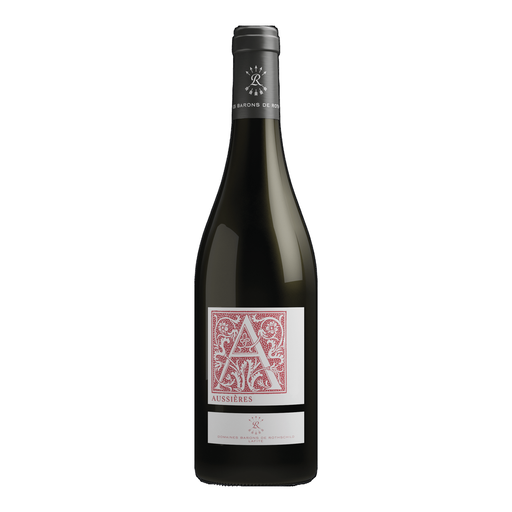
Why this product suits the profile: The 0.75-litre bottle offers an approachable introduction to French red wine from Languedoc-Roussillon – ideal for dinner at home or a small gathering.
The origin, bottle size, maturation in stainless-steel tanks and 14.0 % vol. are clearly stated, making it easier to compare with other red wines.
French origin from Corbières; 0.75 l capacity; synthetic cork and stainless-steel tank maturation according to the product information.
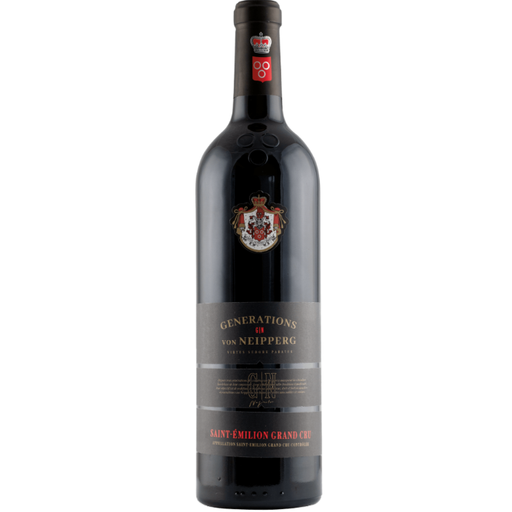
Why this product suits the profile: Its Bordeaux origin, cuvée of Cabernet Franc and Merlot, and recommended serving temperature of 18 °C appeal to buyers who value provenance and style.
The product description specifies the region, grape varieties, style and alcohol content. This makes it easier to assess the wine objectively rather than relying solely on the Grand Cru designation.
Dry, smooth and full-bodied style according to the product information; organic credentials and 13 % vol. are stated.
Why this product suits the profile: As a Brut cuvée aged on its lees for 36 months and supplied with a gift box, this bottle is suitable for receptions, celebratory meals and giving wine as a present.
The serving temperature of 6–10 °C, grape varieties, alcohol content of 12.5 % vol. and gift packaging are all clearly specified.
Cuvée of Chardonnay, Pinot Noir and Pinot Meunier; 0.75-litre bottle supplied with a stated gift box.
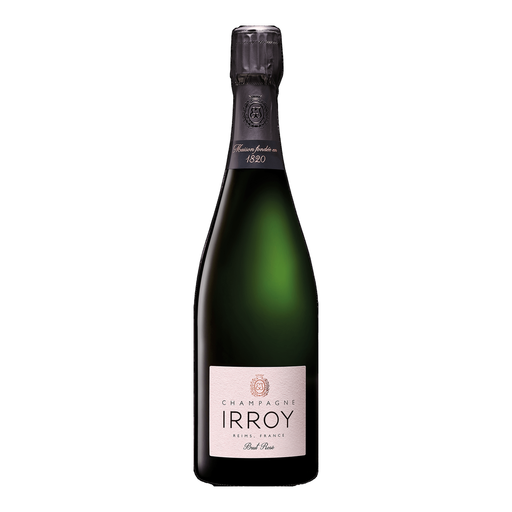
Why this product suits the profile: The rosé style combines a festive appearance with a clearly specified cuvée, making it suitable for birthdays, aperitifs or light dishes.
The product details state 80% Pinot Noir and Meunier, 20% Chardonnay, 12.5 % vol. and 10.7 g/l residual sugar.
Rosé cuvée made from three grape varieties; 0.75 l capacity; natural cork and 12.5 % vol. according to the product information.
Unopened bottles should be kept in a cool, dry place protected from light. Direct heat sources and significant temperature fluctuations should be avoided. Champagne should be chilled to around 6 to 10 °C before serving. Once opened, a specialised Champagne stopper is recommended, along with prompt storage in the fridge.
A gift box or clearly recognisable provenance can make the choice easier. According to the product information, Pommery Brut Royal is supplied in a gift box. For red wine, a Bordeaux Saint-Émilion Grand Cru or a French Corbières red wine could be suitable options. The key consideration is whether the recipient prefers dry, fruity or more full-bodied wines.
Champagne is served considerably cooler, usually between 6 and 10 °C. Red wine often reveals its aromas at a higher temperature. The Comtes von Neipperg Saint-Émilion Grand Cru is specified at 18 °C. The specific recommendation on the relevant product label should take precedence.
Alcoholic drinks are intended for adults only. Their sale and consumption are subject to the age requirements applicable in Germany. Alcohol should be avoided during pregnancy. Responsible consumption is essential.