
Lieferung heute & morgen

Qualitätsgarantie

Willkommens-Angebote freischalten: KOSTENLOSE Lieferung | Bis zu 80 % RABATT | Kostenlose 30-Tage-JoyPlus-Testphase
App herunterladen
Whether for a wedding, an anniversary, or simply to celebrate a special moment, choosing the right sparkling wine can be a defining touch. Yet, the sheer variety of Champagne, Sekt, Prosecco, and Crémant is vast, and the differences are often unclear. This guide will help you avoid the most common purchasing pitfalls and make an informed decision that perfectly suits your occasion and budget.
Many buyers rely on familiar brand names or vague recommendations, which often leads to disappointment. To avoid an unsuitable choice, pay close attention to these three points:
You don't need deep wine expertise to make a great choice. Simply understanding three basic characteristics that determine quality, taste, and price is enough.
A sparkling wine's designation already reveals its origin and production method, which is directly reflected in its price.
The residual sugar content determines the wine's flavour profile. These designations are standardised across the EU and provide a helpful guide.
The grape varieties used shape the character of the sparkling wine.
Here are a few recommendations tailored to different needs and occasions.
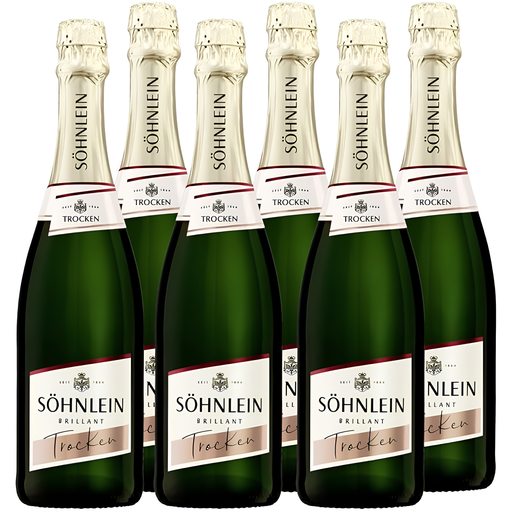
Why This Fits Their Persona: Ideal for celebrations with many guests where a reliable and approachable sparkling wine is needed. The 6-pack offers excellent value for money without compromising on quality for the occasion.
The clear declaration as "Sekt" and "trocken" (dry) provides clarity. You know exactly what you're getting: a German sparkling wine with a pleasant, not-too-tart flavour profile.
A balanced cuvée from classic wine-growing regions; a finely fruited bouquet; convenient bulk pack for parties.
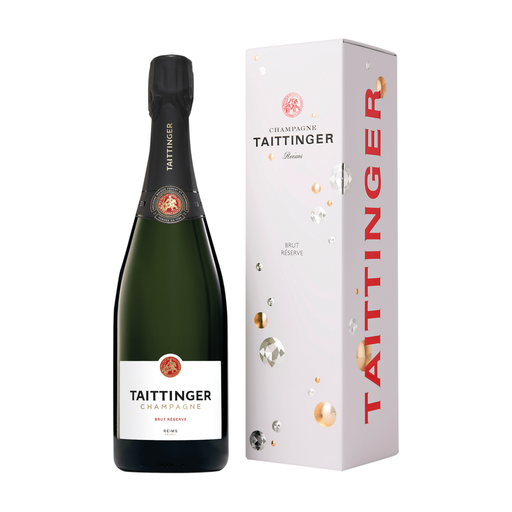
Why This Fits Their Persona: For occasions that demand something extraordinary. Taittinger Champagne is a symbol of festivity and elegance. Its balance and complexity make it the ideal choice for connoisseurs who appreciate a true classic.
As a genuine Champagne Brut with a protected designation of origin, it delivers the expected quality and style. The "Brut" designation guarantees a dry, versatile character.
High proportion of Chardonnay for finesse; long ageing period ensures harmonious notes of brioche, peach, and white flowers.
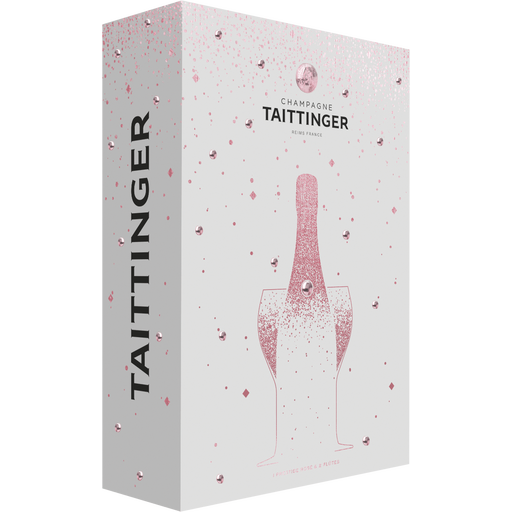
Why This Fits Their Persona: This Champagne gift set is an all-in-one solution for anyone looking for a stylish and thoughtful present. The vibrant Rosé Champagne and matching glasses make it a ready-to-give gift for weddings or anniversaries.
It solves the problem of unsuitable glassware by including two high-quality, original Lehmann glasses. This ensures the Champagne can develop its full aroma.
Elegant gift packaging; vibrant and fruity Rosé Champagne; includes two matching branded glasses for a complete experience.
We've compiled a complete, up-to-date list of products that fully meet these strict selection criteria and German regulations.
1. What is the difference between Champagne, Sekt, Prosecco, and Crémant? The main difference lies in their origin and production method. Champagne comes exclusively from the Champagne region of France and is made using the traditional method of bottle fermentation. Crémant uses the same method but comes from other French regions. Sekt is the German term for sparkling wine, with quality varying widely (tank vs. bottle fermentation). Prosecco is an Italian sparkling wine (Frizzante or Spumante) from the Veneto region, typically made using the tank method, which gives it a particularly fresh and fruity taste.
2. Which flavour profile (e.g., Brut, Dry) suits which occasion?
3. How do you store Champagne and Sekt correctly? Sparkling wine bottles should be stored in a cool, dark place with a constant temperature (ideally 10–15°C or 50-59°F). Unlike still wine, bottles with a wire cage (agrafe) over the cork can be stored upright, as the internal pressure and humidity keep the cork sufficiently moist. Once opened, the bottle should be sealed with a special pressure stopper and kept in the refrigerator to preserve the carbonation for 1–2 days.