Lieferung heute & morgen

Qualitätsgarantie

Willkommens-Angebote freischalten: KOSTENLOSE Lieferung | Bis zu 80 % RABATT | Kostenlose 30-Tage-JoyPlus-Testphase
App herunterladen
There is a quiet choreography that precedes the arrival of guests. The dimming of the lights, the arrangement of books on the coffee table, the selection of a soft melody. In these moments of preparation lies a special form of hospitality. The deliberate choice of a beverage to open the evening is part of this ritual. It is more than a mere gesture; it is the overture to a shared experience. The soft pop of a cork becomes the auditory cue that an ordinary evening is transforming into a special moment.
The world of sparkling wines is rich with dialects and nuances. While the term Champagne is often used as a synonym for all sparkling wines, it exclusively designates those originating from the French region of the same name and produced according to the elaborate "méthode traditionnelle." Houses like Taittinger, Mo?t & Chandon, or Veuve Clicquot have perfected this method over centuries and represent a style defined by complexity and finesse. The high proportion of Chardonnay grapes, as found in the Taittinger Brut Réserve, lends it notes of brioche and white blossoms.
However, the art of in-bottle fermentation is not confined to Champagne. A Crémant, for example from the Loire Valley, is produced to the same high standards and often offers a remarkable balance of quality and accessibility. The Crémant Brut Louis Despas is one such example, impressing with its crisp freshness. German Sekt, particularly from vintners who rely on traditional bottle fermentation, also has its own distinct identity, often shaped by Riesling.
A different approach is found in Italy. Prosecco, typically made from the Glera grape using the tank fermentation method (Méthode Charmat), is characterized by its primarily fruity and floral aromas. A dry style, like the Mionetto Prosecco Spumante Brut, is perfectly suited as an effortless aperitif. The deliberate decision to buy a Champagne or to opt for a Crémant or Prosecco is thus a matter of occasion, desired complexity, and personal taste.
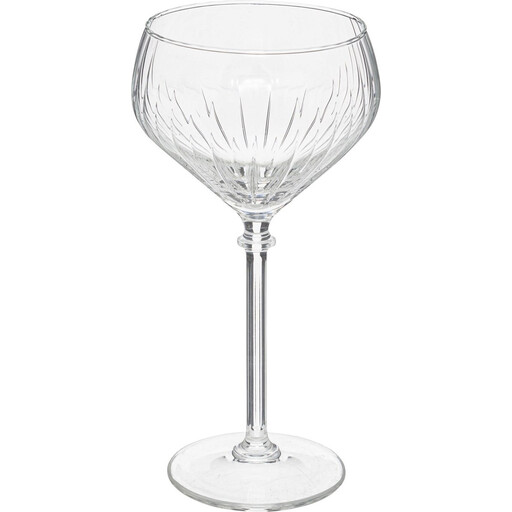
The enjoyment of a sparkling wine begins not with the first sip, but with the visual and tactile experience. The choice of glass is of crucial importance. A tall, slender champagne flute not only concentrates the aromas but also optimally showcases the play of the perlage—the fine ascent of the carbon dioxide bubbles. A classic champagne glass set, like the one from Secret de Gourmet, underscores the elegance of the moment. For a more modern aesthetic, stemless versions are also an option. The MyGift set with black and gold glasses adds a contemporary accent and is suitable for festive occasions where design plays as significant a role as the contents.
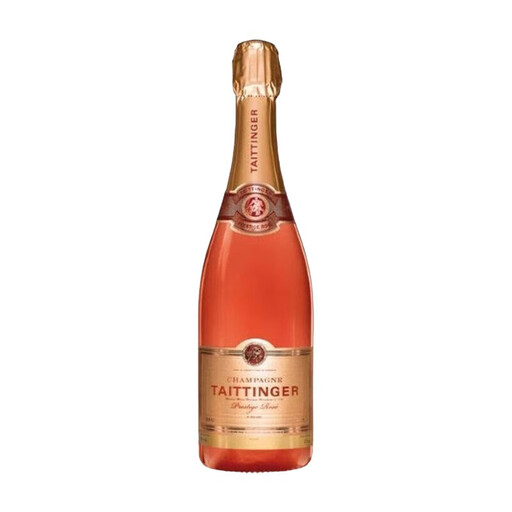
The selection of the bottle itself depends on the character of the gathering. For significant anniversaries or as a token of special appreciation, a classic Champagne is a natural choice. A Rosé Champagne, such as the Taittinger Prestige Rosé, whose colour is achieved through meticulous blending, offers a wonderful alternative with its aromas of red berries. When a gift is intended to be more than just a bottle, a Champagne gift set is a thoughtful solution. The set, which combines the Taittinger Prestige Rosé with two matching glasses, is a complete ensemble for a special occasion.
For larger, more casual gatherings or as a base for light summer cocktails, sparkling wines like the French Brut Dargent Blanc de Blancs Chardonnay or the Italian Cinzano Asti DOCG, with its lower alcohol content and fruity sweetness, are a fitting choice. They bring an effortless lightness to the glass and invite you to linger. The decision between a dry sparkling wine or a semi-dry option like the Freixenet Mederano Blanco ultimately depends on the food pairings and the preferences of the guests.
For those who wish to explore a broader selection of objects and wines according to these principles, the complete champagne directory offers further inspiration.