
Lieferung heute & morgen

Qualitätsgarantie

Willkommens-Angebote freischalten: KOSTENLOSE Lieferung | Bis zu 80 % RABATT | Kostenlose 30-Tage-JoyPlus-Testphase
App herunterladen
A chandelier is more than just a light source; it acts as a central design element that significantly shapes the architecture and style of a room. Selecting the right model depends on a range of objective factors, including room size, ceiling height, material properties, and the desired lighting technology. This guide analyses the technical specifications and practical benefits of various chandelier types to provide an informed basis for your decision.
The decision to purchase a chandelier should be based on an analysis of technical parameters. The following criteria are crucial for both the functionality and aesthetics within a space.
The material defines not only the look of a light fixture but also its durability and maintenance requirements.
The choice of light source directly impacts energy consumption, maintenance effort, and lighting ambiance.
The chandelier's proportions must be suited to the room to achieve a harmonious overall effect.
Based on an analysis of design, material, and functionality, we present three distinct models.
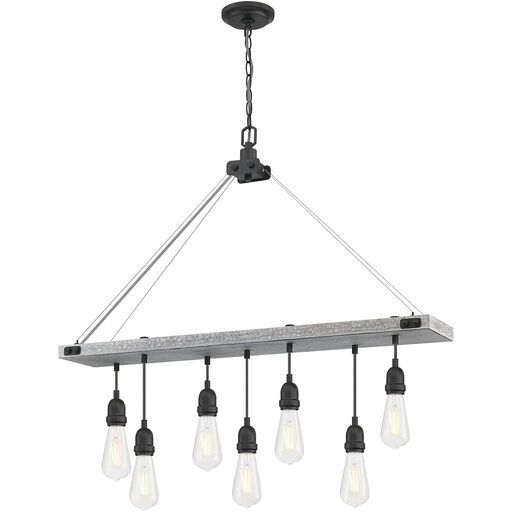
Why We Recommend This Product This model combines the robustness of metal with a gunmetal finish and the natural warmth of ash wood. Its open structure with seven bulbs ensures wide light diffusion, making it a functional vintage pendant lamp for larger rooms.
Pros
Who It's For This model is suitable for users looking for a living room pendant light or a fixture for a foyer in a rustic or industrial style. Its suitability for high and sloped ceilings makes it a flexible solution for older buildings or open-plan living concepts.
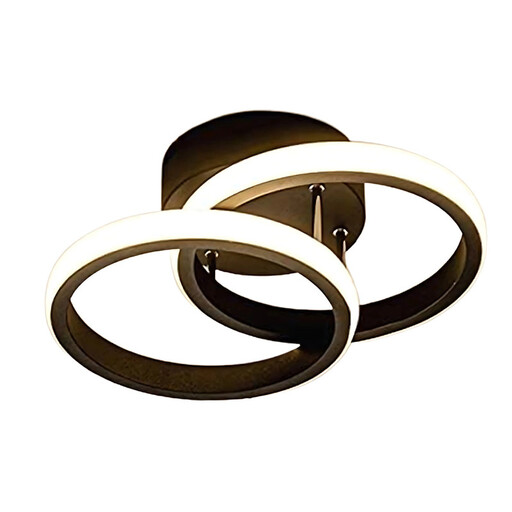
Why We Recommend This Product The Goeco ceiling chandelier is an example of a modern chandelier with integrated LED technology. Its design, featuring two acrylic rings with a chrome finish, provides even, glare-free illumination and is characterised by high energy efficiency.
Pros
Who It's For Ideal for buyers who prefer a low-maintenance and energy-efficient LED ceiling lamp for living rooms, bedrooms, or kitchens. The design pairs well with modern and minimalist interior styles.
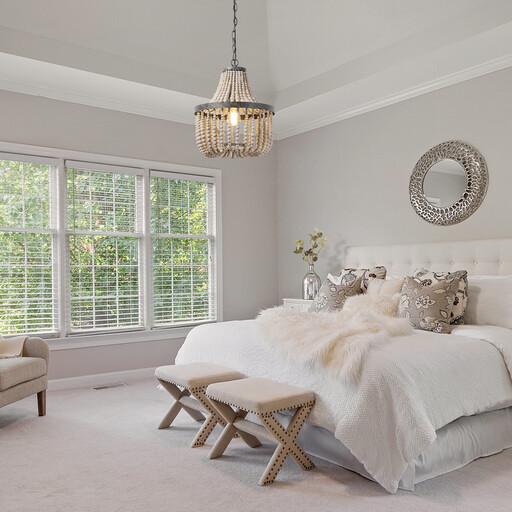
Why We Recommend This Product This model features natural materials and a boho-style design. The wooden beads create a diffuse, soft light and an interesting play of shadows. The use of a standard E27 socket allows for flexibility in choosing a bulb.
Pros
Who It's For This wooden chandelier is a fitting choice for rooms with a boho, country house, or Scandinavian style. It is suitable for users seeking a decorative lighting element that creates a cosy and relaxed atmosphere.
If these recommendations do not include the perfect model for your specific needs, you can find a wider selection of designs, materials, and technical specifications in our main category.
Discover more models in the Chandelier Light category here
1. How high should a chandelier hang over a dining table? As a guideline, there should be a distance of 75 to 90 centimetres between the tabletop and the bottom edge of the chandelier. This clearance ensures the table is well-lit, the fixture does not obstruct the view of people opposite, and no glare is produced.
2. Which bulbs are suitable for a chandelier? For chandeliers with standard sockets (e.g., E27 or E14), LED bulbs are the recommended choice. They are energy-efficient, have a long lifespan, and are available in many shapes (e.g., candle, filament) and light colours (from warm white to cool white). Pay attention to the manufacturer's maximum wattage rating.
3. Can you install a chandelier on a plasterboard ceiling? Installation on a plasterboard ceiling is possible but requires special fasteners. Use hollow-wall anchors (e.g., toggle bolts or spring-loaded toggle bolts) that are rated for the chandelier's weight. For very heavy models, the fixture should be attached directly to the load-bearing substructure (e.g., wooden joists). An assessment of the ceiling's construction and load capacity is essential before installation.