
Lieferung heute & morgen

Qualitätsgarantie

Willkommens-Angebote freischalten: KOSTENLOSE Lieferung | Bis zu 80 % RABATT | Kostenlose 30-Tage-JoyPlus-Testphase
App herunterladen
Purchasing the first set of essentials for a baby is a task that challenges many expectant parents. When it comes to changing accessories, the market is particularly overwhelming, and marketing promises are grand. However, not every solution that seems practical at first glance proves its worth in daily use. Certain design flaws or material weaknesses often render products unusable or even unsafe after a short time. This guide will help you identify the crucial criteria and make an informed choice that suits your living situation and lifestyle.
Before making a purchase, it's helpful to know the three most common problems that arise from a hasty selection:
To avoid these pitfalls, you should focus your attention on three objective core parameters. These will help you evaluate the durability, safety, and practicality of changing accessories.
Your child's safety is the top priority. Therefore, pay close attention to the maximum weight capacity in kilograms specified by the manufacturer. A capacity of 11 kg is often sufficient for the first 12 months, while models rated for 15 kg allow for longer use. For a changing table or a bath and changing combination, raised side safety barriers on the changing pad are an important feature to make it harder for the child to roll off. With a wall-mounted changing table, proper and stable installation on a load-bearing wall is crucial for safety.
The changing area is a space where hygiene plays a central role. A good changing pad should have a water-repellent and wipeable surface. Materials like coated cotton or polyester are often a good choice here. For extra hygiene or for use on the go, disposable changing mats are suitable, as they can be easily discarded after use. For textile products like a baby nest, it is advantageous if the cover is removable and washable at a minimum of 40°C.
Measure the available space accurately before deciding on a model.
Based on these criteria, we have identified some products that are particularly well-suited for different lifestyles and requirements.
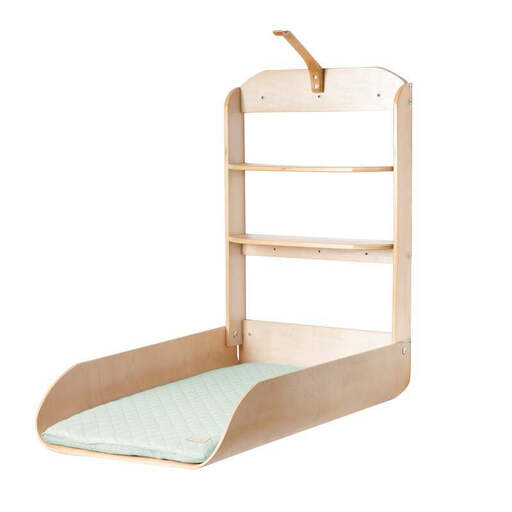
Why it's a great fit: Ideal for homes where there's no room for a permanent piece of furniture. It folds flat against the wall, freeing up valuable floor space when not in use.
It solves the "bulky design" problem by becoming virtually invisible when not in use. The mounting height is individually adjustable, which helps prevent back pain.
One-hand folding mechanism; includes a wipe-clean changing pad and two storage shelves for essentials.

Why it's a great fit: This 2-in-1 solution combines a changing station with a pull-out baby bathtub. Thanks to its lockable castors, it's mobile and can be moved flexibly between the bathroom and the nursery.
It bypasses the "lack of flexibility" issue by bundling two essential functions while remaining mobile. The tub slides away under the changing surface to save space.
Integrated bathtub with drainage hose; two large storage shelves; comfortable changing height of 93.5 cm.
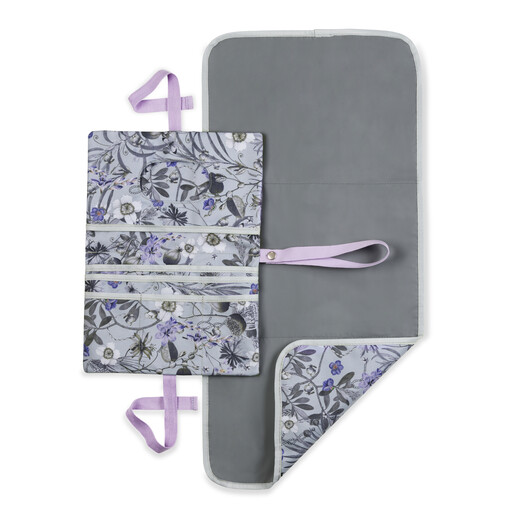
Why it's a great fit: This compact bag is a mobile changing station. It offers organised storage for diapers and accessories and includes a hygienic changing mat for outings, travel, or visits.
It addresses the problem of "unhygienic materials" on the go by providing a clean, private, and water-repellent surface that is easy to clean.
Compact size fits in any stroller basket; smart compartment layout; carrying strap for easy attachment to the stroller.
We have compiled a complete, up-to-date list of products that fully meet these strict selection criteria and safety standards.
A functional set of changing essentials typically includes: a safe changing area (e.g., a changing table or wall-mounted changing table), a soft, wipeable changing pad, a diaper pail, diapers in the correct size, wet wipes or washcloths, diaper rash cream, and a few sets of spare clothes within easy reach.
Most changing tables and toppers are designed for a weight of up to 11 kg or 15 kg, which corresponds to a usage period of about 12 to 24 months. However, the actual duration of use depends heavily on when your child starts to move actively, making it difficult to change them while they are lying down. Many parents then switch to changing their baby on a mat on the floor.
An ergonomic height is crucial to prevent back pain. The ideal height depends on your own height. Most changing tables have a changing surface height between 85 cm and 95 cm. With a wall-mounted changing table, you have the advantage of being able to adjust the installation height to your individual needs. As a rule of thumb, the changing surface should be at about your belly button level.