
Lieferung heute & morgen

Qualitätsgarantie

Willkommens-Angebote freischalten: KOSTENLOSE Lieferung | Bis zu 80 % RABATT | Kostenlose 30-Tage-JoyPlus-Testphase
App herunterladen
For expectant parents, purchasing the first changing essentials can be a daunting and uncertain task. The market is flooded with products, but not every solution is practical, safe, or built to last. Many well-intentioned purchases end up being impractical or taking up precious space. As your Joybuy Product Recommendation Officer, I'm here to help you identify the common pitfalls and make a choice based on objective criteria and your real-world needs.
Before you make a decision, you should be aware of the most common mistakes that lead to unnecessary expense and frustration.
To make an informed decision, focus on three core aspects that guarantee functionality and safety.
A back-friendly posture is essential when changing diapers, as you'll be performing this task several times a day. An ergonomic changing height is between 90 and 95 cm. Before buying, measure whether this height is comfortable for you and your partner. Models that allow for a custom installation height, like a space-saving changing station for the wall, offer maximum flexibility here.
Your child's safety is the top priority. Pay attention to the following points:
The right solution depends on your living situation and your habits.
Here are some product suggestions tailored to different lifestyles and needs.

Why This Fits Their Persona: Ideal for smaller apartments or when you don't want the changing station to permanently occupy space. It utilises vertical wall space and keeps the floor clear.
It completely solves the "Space Trap" by simply folding up after use, barely protruding into the room.
Customisable mounting height for an ergonomic posture. Shock absorbers ensure slow and safe opening and closing.
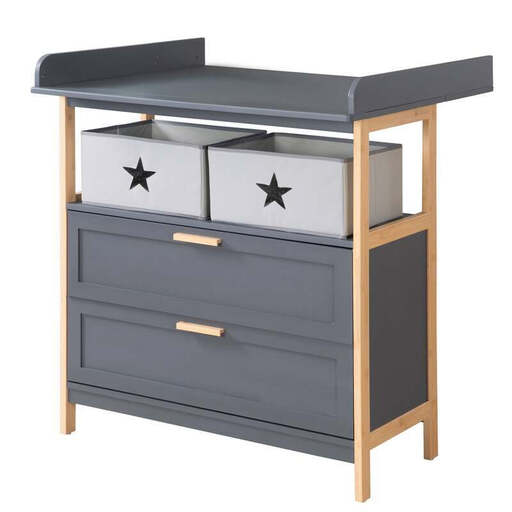
Why This Fits Their Persona: For parents looking for a long-lasting piece of furniture that grows with their child and continues to serve a purpose in the nursery long after the diaper days are over.
Bypasses the "Short-Lifespan Trap" thanks to the removable changing top, which transforms it into a fully functional dresser.
Offers generous storage space in drawers and open compartments. The ergonomic changing height of 92 cm is easy on your back.
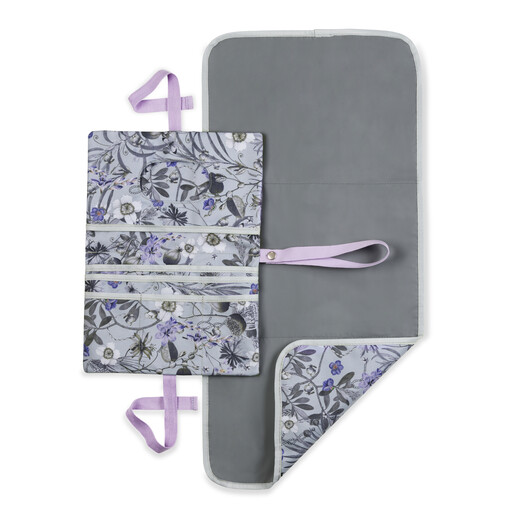
Why This Fits Their Persona: Perfect for parents who are always on the move, whether travelling, on day trips, or visiting family and friends. Everything you need is stored compactly and hygienically.
As a portable solution, it completely avoids the pitfalls of space requirements and furniture longevity. It's a supplement or an alternative for a mobile lifestyle.
Compact size with smart compartment organisation for diapers and accessories. The water-repellent material is easy to clean.
We have compiled a complete, up-to-date list of products that fully meet these strict selection criteria and rigorous safety standards.
The ideal height for a changing table or changing dresser is between 90 cm and 95 cm. This height allows most adults to maintain an upright, back-friendly posture while changing. For wall-mounted changing units, you can adjust the installation height to your specific body height.
The changing function is typically used until the child weighs about 11 to 15 kg, which is usually between 12 and 24 months of age. Models with a removable changing top are a sustainable choice, as they can then be used as a classic dresser in the child's or teen's room for many more years.
The new baby essentials for the changing area include several indispensable items. These are: