
Lieferung heute & morgen

Qualitätsgarantie

Willkommens-Angebote freischalten: KOSTENLOSE Lieferung | Bis zu 80 % RABATT | Kostenlose 30-Tage-JoyPlus-Testphase
App herunterladen
Choosing the right changing mat is a cornerstone of your baby essentials. However, with the sheer volume of models, materials, and designs, the decision can quickly become overwhelming. As a Joybuy Product Recommendation Officer, I see daily which products genuinely make parents' lives easier and which prove to be impractical. Many well-intentioned purchases later turn out to be a bad investment.
This guide focuses on the crucial criteria that separate a good changing mat from an unsuitable one. We'll highlight the three most common pitfalls and show you what to look for to find a safe, hygienic, and durable solution for your baby.
Before we dive into the details, let's look at the typical mistakes that often only become apparent after a few weeks of use.
To avoid the pitfalls mentioned above, you should base your decision on three objective parameters. These will help you distinguish marketing promises from genuine product benefits.
The most crucial aspect of a good changing mat is its hygiene. A water-repellent coated surface is therefore essential. Look for the following features:
Your baby's safety is the top priority. A good changing mat actively supports you in this.
Consider where and how you will primarily use the changing mat.
Based on the criteria above, we have identified a few products that are well-suited for different lifestyles and requirements.

Why This Fits Their Persona: Ideal for parents in city apartments or with limited space who need a full-featured yet discreet changing station. After use, it simply folds up against the wall, freeing up the room.
Elegantly solves the "Space Miscalculation." Instead of a bulky dresser, it provides a secure, integrated solution. The included mat is wipe-clean, and the side safety rails address the safety gap.
Foldable and space-saving. Includes shock absorbers for slow, safe opening. Two storage shelves provide direct access to diapers and accessories.

Why This Fits Their Persona: Perfect for parents who value efficiency and great value for money. This piece of furniture combines two essential baby care functions in one place and is mobile thanks to its casters.
Sidesteps the "Space Miscalculation" by combining two large pieces of equipment. The integrated tub slides away under the changing surface to save space. The included mat is easy to clean.
2-in-1 function: Changing table and bathing station in one. Includes a pull-out bathtub with a drainage hose. Mobile thanks to 6 locking casters and offers storage space.
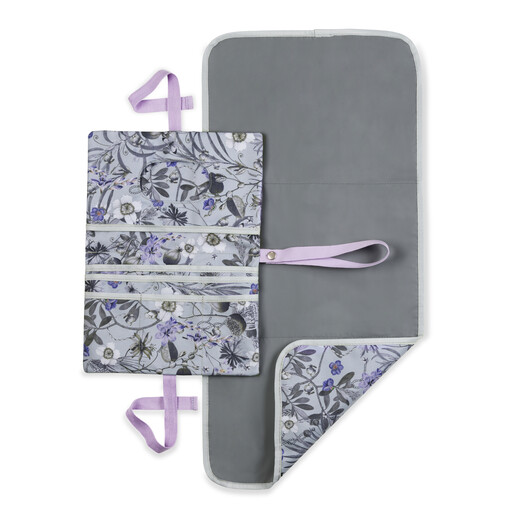
Why This Fits Their Persona: For parents who are always on the move, whether traveling, on day trips, or visiting friends. This bag is a compact, organised solution for having a hygienic changing option anywhere.
This is the targeted solution for mobile use, preventing the purchase of a bulky mat for on-the-go needs. The material is water-repellent and easy to clean, which bypasses the "Material Trap."
Compact and organised: Provides compartments for diapers and accessories. The integrated changing mat is always included. Easily attaches to a stroller with a carrying loop.
We've compiled a complete, up-to-date list of products that fully meet these strict selection criteria and German safety regulations.
1. How do you properly clean a wipe-clean changing mat? For daily cleaning, simply wipe the surface with a damp cloth and, if necessary, a mild, pH-neutral cleaner. Avoid harsh or abrasive cleaning agents, as they can damage the coating. After cleaning, the mat should be completely dry before you use it again.
2. What size should a changing mat for a standard dresser be? Standard changing mats often have a depth of 70-75 cm and a width of 50-85 cm. Measure the surface of your dresser accurately before buying. Ideally, the mat should cover the area well without extending over the edges. Many manufacturers of changing dressers offer matching mats or special changing toppers that ensure a secure fit.
3. From what age is a contoured changing mat with raised edges useful? A contoured mat is useful right from birth. The raised edges provide a passive safety barrier from the very beginning. This shape becomes particularly important once your baby becomes more mobile and starts to roll over (around the 3rd to 4th month). However, remember that even the highest edge does not offer 100% security. Never leave your child unattended on the changing table.