
Lieferung heute & morgen

Qualitätsgarantie

Willkommens-Angebote freischalten: KOSTENLOSE Lieferung | Bis zu 80 % RABATT | Kostenlose 30-Tage-JoyPlus-Testphase
App herunterladen
Choosing a changing pad might seem like a simple task at first. However, many parents soon discover that their chosen model is impractical, difficult to clean, or not safe enough. Certain product features highlighted in marketing can prove to be a hindrance in daily use. This guide will help you identify the essential criteria and make an informed decision based on functionality and safety.
Before you make a decision, it's helpful to be aware of the three most common problems that arise with low-quality or ill-fitting changing pads:
To avoid these problems, you should focus on a few core parameters. These objective features determine how practical and safe a changing pad truly is for daily use.
The material is the most important factor for hygiene and durability. A washable changing pad is the most practical solution for most families. Surfaces made of PU (polyurethane) or phthalate-free PVC can be cleaned quickly and easily with a damp cloth.
For parents who prefer a softer feel, there are models with removable and washable covers made from cotton or terry cloth. In this case, it's wise to have at least one spare cover on hand. Another option is disposable changing liners. These are exceptionally hygienic and are perfect as a changing pad for on-the-go or as an extra layer of protection on your home changing mat.
Your baby's safety is the top priority. A good changing mat features raised edges along the long sides. This contoured design helps prevent the baby from rolling to the side. Ensure the padding is thick enough to provide comfort but firm enough to guarantee a stable surface.
Measure the designated space precisely before you buy. Standard changing tables often have a depth of 70 to 80 cm and a width of 80 to 85 cm. The changing table pad should fit this area as perfectly as possible, without overhanging or leaving large gaps at the sides.
Instead of making a one-size-fits-all recommendation, we have identified products tailored to specific needs and lifestyles.
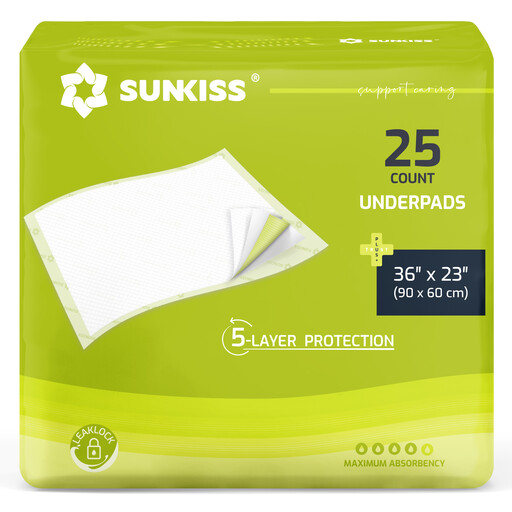
Why This Fits Their Persona: Ideal for parents seeking a fast, hygienic, and hassle-free solution. These disposable liners are perfect for home and on-the-go, eliminating the need for constant cleaning.
These liners completely bypass the problem of hard-to-clean fabrics. After use, they are simply disposed of, ensuring maximum hygiene with zero washing effort.
High absorbency thanks to a core with super-absorbent polymer. The five-layer construction provides reliable leak protection for any surface.

Why This Fits Their Persona: Perfect for parents who look for products with added value. This 3-in-1 product serves as a changing mat, a cosy nest, and a bed bumper, adapting to the growing needs of the child.
The raised edges provide safety during changes and create a secure environment when used as a nest. The filling is removable via a zipper, making it easy to clean the cover at 40°C.
Multifunctional 3-in-1 design. The quilted microfibre material is soft and easy to care for. Suitable for the first 6 months of life.
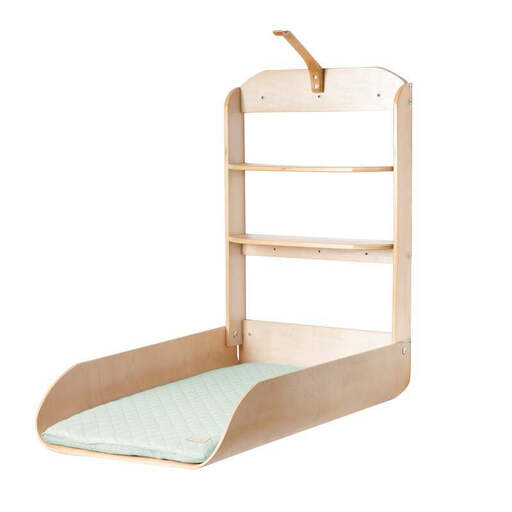
Why This Fits Their Persona: The optimal solution for homes where there's no room for a large changing dresser. This wall-mounted unit provides a complete, secure changing station that folds away to save space when not in use.
It solves the problem of incorrect sizing and unsafe placement on furniture. The fixed wall mounting ensures stability, and the installation height can be chosen individually for ergonomic, back-friendly use.
Extremely space-saving design. Integrated shelves for baby changing accessories. Includes a matching, water-repellent changing pad.
We have compiled a complete, up-to-date list of products that fully meet these strict selection criteria and all relevant safety standards.
1. How often should you clean a changing pad? A wipe-clean changing pad should be wiped down with a damp cloth after each use, and with a mild disinfectant if needed. Fabric covers should be washed when visibly soiled or at least once a week, according to the manufacturer's instructions.
2. What is the standard size for a changing pad? There is no universal standard size, but many models are designed to fit common changing tables. Typical widths range from 75 to 85 cm, while the depth usually varies between 70 and 75 cm. Always measure your available space before buying.
3. Are changing pads with raised edges safer? Yes, pads with raised side edges (a contoured shape) offer additional protection by making it harder for the baby to roll off. However, always remember: never leave your child unattended on the changing table, not even for a second.