
Lieferung heute & morgen

Qualitätsgarantie

Willkommens-Angebote freischalten: KOSTENLOSE Lieferung | Bis zu 80 % RABATT | Kostenlose 30-Tage-JoyPlus-Testphase
App herunterladen
Setting up the first changing station is a major milestone for expectant parents. However, with so many options available, the decision-making process can quickly become overwhelming. Many products overpromise and underdeliver, leading to unnecessary expenses or impractical solutions for daily life. As your Joybuy Product Recommendation Officer, I'm here to help you identify the typical pitfalls and make an informed choice that fits your lifestyle and living situation.
Before we explore the solutions, it's crucial to understand the most common mistakes. Avoiding them will not only save you money but also reduce stress in your day-to-day life with a baby.
To avoid a bad purchase, you should base your selection on objective criteria. These three points are essential for a safe and practical changing station.
The most important standard for changing units in Europe is DIN EN 12221. It specifies safety requirements for domestic changing tables. Look for products that comply with this standard. Key aspects include:
A changing station is used multiple times a day and must therefore be easy to clean.
Not every solution fits every home. Think carefully about your specific needs.
Here are some product recommendations tailored to different lifestyles and requirements.

Why it's a great fit: Perfect for city living or in apartments where every square metre counts. This foldable wall-mounted changing unit creates a fully functional changing station without permanently taking up floor space.
It bypasses the trap of the oversized dresser. After the nappy-changing phase, it can simply be left on the wall or dismantled, leaving no bulky furniture behind.
Thanks to shock absorbers, the changing surface closes slowly and safely. The mounting height is individually adjustable for an ergonomic, back-friendly posture. Supports up to 15 kg.

Why it's a great fit: This bath and changing combination merges two central care areas into one mobile piece of furniture. Perfect for parents who value functionality and a tidy environment.
It prevents the need to buy two separate, space-consuming units for changing and bathing. This saves both money and space in the bathroom or nursery.
The integrated bathtub can be easily pulled out and stowed away. Thanks to the six locking castors, the station can be effortlessly moved to wherever it's needed.
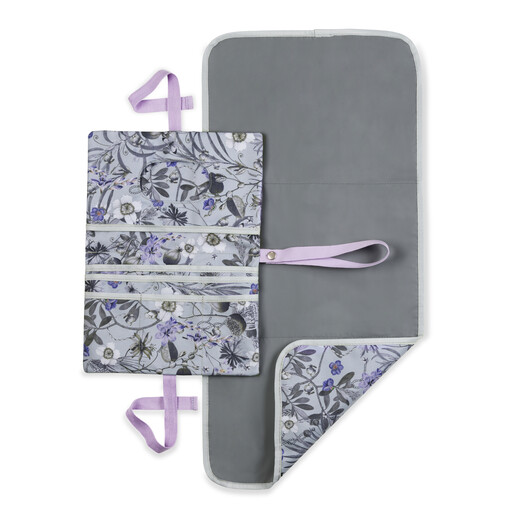
Why it's a great fit: For parents who are always on the move—whether travelling, on day trips, or visiting friends. This compact bag ensures you always have a clean and organised changing space with you.
It solves the problem of inflexibility. Instead of relying on unhygienic public facilities, it provides a private, clean surface wherever you are.
The bag is intelligently organised with compartments for nappies and accessories. The water-repellent material is easy to clean, and the bag can be easily attached to a stroller.
We have compiled a complete, up-to-date list of products that fully meet these strict selection criteria and German safety regulations.
For an ergonomic and back-friendly posture, the changing surface should be approximately at the hip level of the person who will be changing the baby most often. For most changing dressers and combination units, this height is between 85 cm and 95 cm. With a foldable wall-mounted changing unit, you have the advantage of choosing the mounting height to perfectly match your body size.
The new baby changing essentials include a few indispensable items besides the changing surface itself. Always keep within reach: a soft, wipe-clean changing mat, a supply of nappies, wet wipes or a washcloth with water, nappy rash cream, and a lidded nappy pail. Depending on the room temperature, a radiant heater above the changing station can also be useful.
A changing dresser or table is typically used until a child starts to turn over independently and very actively, or until they become too large or too heavy for the changing surface. This is usually the case between the ages of 2 and 3. Always observe the manufacturer's specified maximum weight limit (e.g., 11 kg or 15 kg) and never leave your child unattended on the changing station.