
Lieferung heute & morgen

Qualitätsgarantie

Willkommens-Angebote freischalten: KOSTENLOSE Lieferung | Bis zu 80 % RABATT | Kostenlose 30-Tage-JoyPlus-Testphase
App herunterladen
Charcoal products span several categories: activated charcoal cosmetics, charcoal and odour absorbers, charcoal masks, drawing charcoal, charcoal pencils, charcoal eyeliner and textiles in the colour charcoal. What they generally have in common is their black colour or the use of charcoal-based ingredients. However, the requirements vary considerably.
Simply searching for “Charcoal” can therefore quickly lead to buying a product that is not suitable for its intended purpose. The following criteria will help you assess marketing claims and base your choice on clear, verifiable product features.
In cosmetics, “Charcoal” may refer to Charcoal Powder, activated charcoal or a charcoal extract. For drawing materials, the term often refers to drawing charcoal or a special black lead. Meanwhile, the black colour of a garment says nothing about the fabric used.
Before buying, you should therefore be clear whether the product is intended for skincare, dental care, drawing, odour absorption or clothing.
Claims such as “detoxifying”, “refines pores”, “antibacterial” or “removes pollutants” cannot automatically be applied to every charcoal product. The decisive factors are the exact formulation, how the product is used and the instructions provided. For cosmetics, check the INCI ingredients; for air absorbers, check the material, weight and intended room size.
Activated charcoal toothpaste also does not replace daily oral hygiene. Information about fluoride content and the intended user group is more important than an especially intense black colour.
Depending on the technique, drawing charcoal may also require a kneadable eraser, blending stumps or fixative. Charcoal air purifiers may require several bags for larger areas. Nose strips are single-use products supplied in limited quantities.
A realistic price comparison should therefore take account of pack contents, consumption, maintenance and replacement requirements.
For facial cleansing, information such as skin type, frequency of use, application time and the complete ingredients list is relevant. According to the product information, the No Problem Charcoal Mask contains, among other ingredients, Kaolin, Charcoal Powder, Calamine and Salicylic Acid. If you have sensitive skin, a small patch test is recommended before first use. Products should not be used on irritated or damaged skin.
For drawing charcoal, on the other hand, hardness, lead diameter, blendability and shape are important. Soft charcoal pencils create darker areas, while medium or hard grades may be more suitable for lines and controlled shading.
For cosmetics, the quantity should match your intended use. A 170-g cleanser should be assessed differently from a 30-ml or 100-ml mask. For activated charcoal nose strips, the number of individual strips is the key comparison point.
For charcoal bags used in the home and car, check the amount of charcoal, dimensions and intended coverage. “Reusable” does not mean that the product will work indefinitely. Regular maintenance may be required, such as drying the product according to the manufacturer’s instructions.
Cosmetics should not come into contact with the eyes. Stop using the product if irritation occurs. Fluoride toothpaste should be used according to the packaging instructions and should not be swallowed. Charcoal powder and drawing charcoal can create dust, so good ventilation is advisable when drawing intensively.
For charcoal-coloured textiles, pay attention to the fabric composition, EU size and care instructions. A sweatshirt made from 65% cotton and 35% polyester requires different care from a product with a high proportion of synthetic fibres.
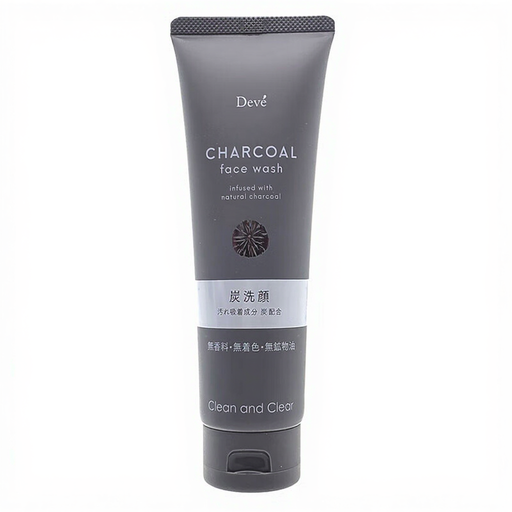
Why this product suits this profile: The 170-g quantity is suitable for anyone looking to incorporate a straightforward charcoal facial cleanser into their daily routine.
The product description specifies the quantity, how to use it and key ingredients such as Glycerin and Charcoal Extract, rather than relying only on general activated charcoal claims.
170 g contents, foaming action and clear instructions for use on damp skin.
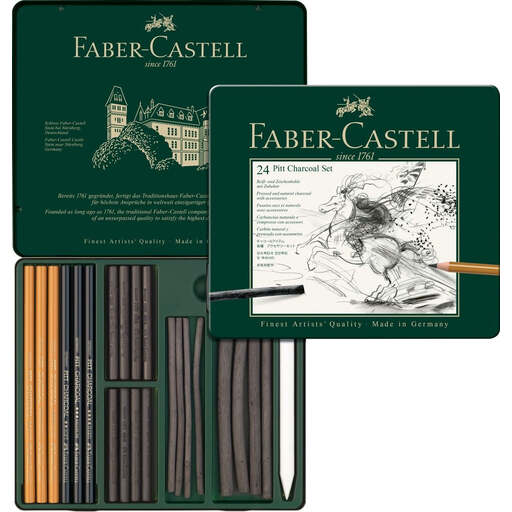
Why this product suits this profile: A comprehensive set with different hardness grades is versatile enough for portraits, sketches and shading.
The set details the exact number of pieces, size range and hardness grades. This makes it easier to compare the contents with your own drawing style before buying.
Includes pencils, sticks, a kneadable eraser and blending stumps in a reusable metal tin.
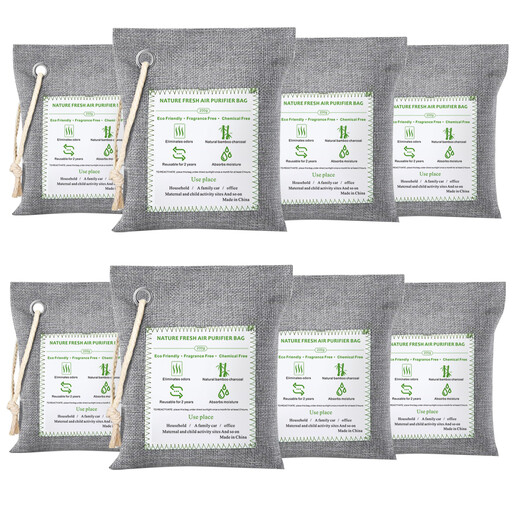
Why this product suits this profile: The eight bags can be distributed across several small areas, such as a shoe cupboard, car, drawers or pet area.
The product information specifies suitable locations, the number of bags, care through monthly drying and the limited coverage per bag. This makes planning easier.
Fragrance-free design, hanging loops and bamboo charcoal in an eight-pack.
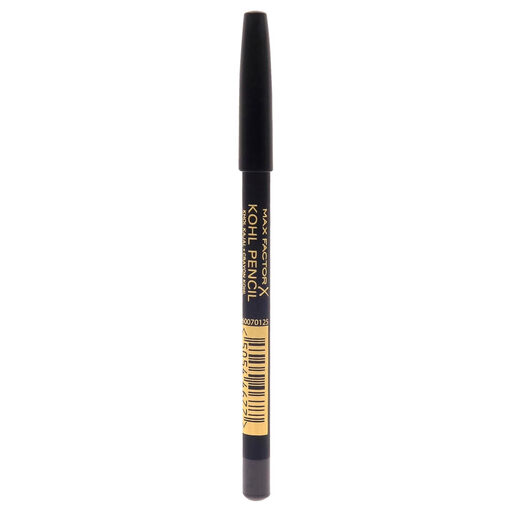
Why this product suits this profile: The medium texture is suitable for creating a defined line or blending for a smoky effect.
The shade, format, quantity and application instructions are clearly specified. This prevents Charcoal Grey from being mistaken for deep black.
Kohl pencil with 4 g of product, a medium texture and a grey Charcoal shade.
We have put together a complete, regularly updated list of products that fully meet these strict selection criteria and the safety regulations applicable in the EU.
Activated charcoal is made more porous through special processing and is used for specific absorption applications. Lumpwood charcoal is a more general term for wood that has been charred by heating. Not all lumpwood charcoal is intended for cosmetics, dental care or air absorption. The intended use, labelling and instructions are what matter.
The product lifespan depends on the amount of charcoal, humidity, odour levels and location. According to the product description, the Zooly bamboo charcoal bags should be dried regularly in sunlight. The precise lifespan should always be assessed based on the manufacturer’s information and the product’s actual condition.
No. Even when a product is described as suitable for all skin types, fragrances, acids, alcohol or adhesives may cause unwanted reactions in some people. Before first use, read the information on the packaging and, if you have sensitive skin, test the product on a small area first. Stop using it if irritation occurs.