
Lieferung heute & morgen

Qualitätsgarantie

Willkommens-Angebote freischalten: KOSTENLOSE Lieferung | Bis zu 80 % RABATT | Kostenlose 30-Tage-JoyPlus-Testphase
App herunterladen
A Chardonnay white wine can be fresh and light, fruity and aromatic, or soft and full-bodied. However, the grape variety name alone tells you very little about the actual taste. If you focus only on origin, brand name or attractive packaging when shopping online, you may end up paying for characteristics that don't suit your occasion.
Aromas of melon, pineapple, mango or peach describe the scent and flavour, not automatically the residual sugar content. A dry Chardonnay can taste distinctly fruity. When choosing, you should therefore look at the taste description dry, off-dry or medium sweet, as well as the nutritional and product information.
A Chardonnay from Germany doesn't differ from a Chardonnay from Italy or France simply because of the country. The winemaking method, ageing, acidity, alcohol content and harvest conditions also influence the style. Details such as "Veneto IGT", "Pays d'Oc IGP" or "Rheinhessen" provide guidance, but they don't replace checking the specific product description.
A Chardonnay in a 6-pack can be practical for regular meals, parties or stocking up. If you only drink wine occasionally, you should consider whether individual Chardonnay 0.75 l bottles are more suitable. For larger gatherings, a Chardonnay 1 l or a Chardonnay 3 l Bag-in-Box is convenient, although the wine should be stored according to the manufacturer's instructions after opening and consumed promptly.
With a dry Chardonnay, the focus is usually on freshness, fruit and a less sweet perception. An off-dry Chardonnay can taste rounder due to more residual sugar and pairs well with cheese, mildly spiced dishes or fruity components. The legal classification depends on the residual sugar and partly on the acidity balance. The information on the label or in the online shop is therefore decisive.
The ageing method is also relevant: stainless steel is often used to preserve fresh and clear fruit aromas. Oak barrel ageing can bring out additional vanilla, toasted or buttery notes. This shouldn't be understood as a quality promise, but rather as a stylistic flavour direction.
If you're looking for a Chardonnay from Germany, you'll find wines from regions such as Pfalz or Rheinhessen. A Chardonnay from Italy can come from areas like Veneto. With a Chardonnay from France, Languedoc-Roussillon or Pays d'Oc are common origin indications.
Check before you buy:
"Vegetarian", "organic" and "vegan" are not automatically synonymous. With vegan wine, you should check the manufacturer's corresponding statement, as animal-derived fining agents can be used during winemaking depending on the process.
Most still Chardonnay wines develop their aromas when chilled. Serving white wine chilled doesn't mean pouring it straight from a very cold fridge. For many products in our selection, 10–12 °C is recommended. Temperatures that are too low can suppress the aroma.
As a guide:
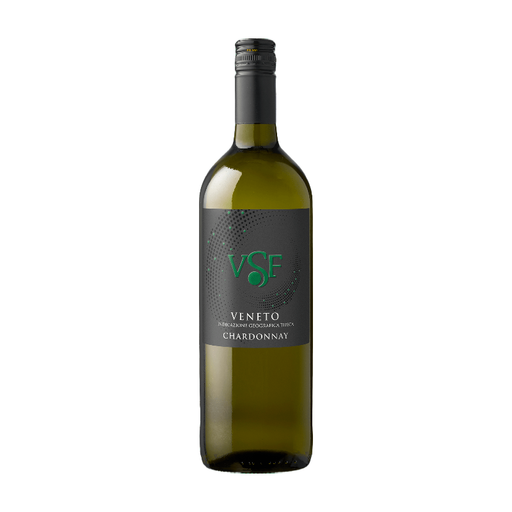
Why this product suits the profile: The 1-litre bottle is ideal for regular enjoyment at home or a larger meal, without having to buy a six-pack straight away.
The Veneto origin and stainless steel ageing are specifically stated, so the choice doesn't have to rely solely on marketing claims.
1 l content, 12.0 % vol. alcohol and screw cap; according to the product information, free from egg and milk allergens, but contains sulphites.
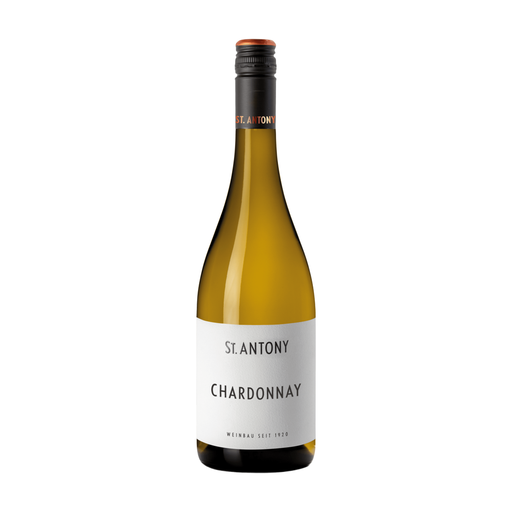
Why this product suits the profile: The organic wine from Rheinhessen is aimed at buyers who want to consider origin, controlled cultivation and a detailed style description.
The organic control number DE-ÖKO-039 and the stainless steel ageing are listed as verifiable product details.
0.75 l, 11.5 % vol. alcohol, organic certification and, according to the information, no egg or milk allergens; sulphites are present.
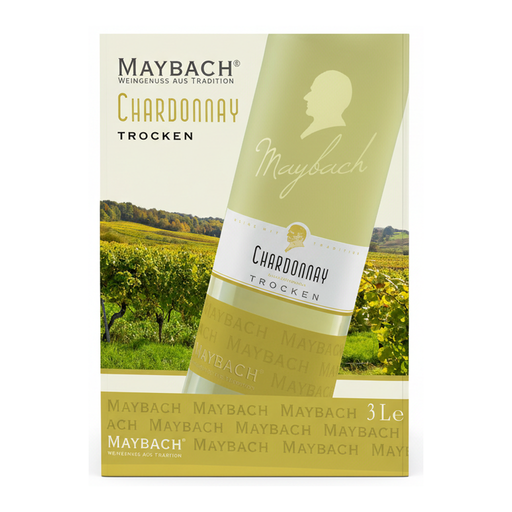
Why this product suits the profile: The Bag-in-Box with tap is designed for stocking up, picnics and parties when multiple servings are needed.
The format makes the total quantity needed transparent and avoids multiple individual purchases for larger events.
3 l content, dry style, 12 % vol. alcohol and a recommended serving temperature of 10–12 °C.
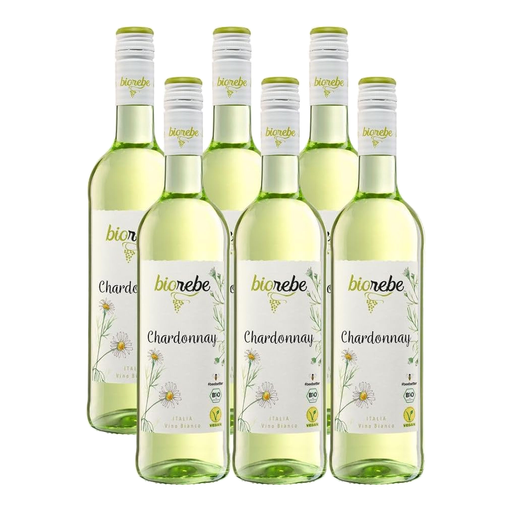
Why this product suits the profile: The six-pack combines organic certification and vegan labelling with a standard portion size for regular meals or visits.
The organic and vegan properties are explicitly stated in the product information, rather than being inferred from general sustainability advertising.
6 × 0.75 l, dry taste profile, Italian origin and certified organic ingredients; sulphites are present.
We've put together a complete, regularly updated list of products that fully meet these strict selection criteria and the safety regulations in force in the EU.
Unopened bottles should be stored in a cool, dry place away from direct light. A screw cap is straightforward for everyday use and is particularly suitable for bottles that won't be finished in one go. After opening, still white wines belong in the fridge. The specific shelf life depends on the product and packaging; several product recommendations advise consuming opened wines within two to five days.
Alcoholic drinks are intended exclusively for adults. They are not suitable for pregnant women and should be consumed responsibly. If you have an intolerance, please pay particular attention to the information regarding sulphur dioxide and sulphites.
No. Chardonnay can be made dry, off-dry or sweeter. Aromas like pineapple or peach don't automatically mean a high residual sugar content. The taste description and product data are what matter.
Many still Chardonnay wines are served at 10–12 °C. An off-dry or full-bodied wine can be served slightly warmer depending on the product. The specific recommendation on the label or in the online shop should take priority.
That depends on the wine, the closure and storage conditions. After opening, Chardonnay should be kept sealed and chilled. For the best preservation of freshness and aroma, it's advisable to consume it within a few days.