
Lieferung heute & morgen

Qualitätsgarantie

Willkommens-Angebote freischalten: KOSTENLOSE Lieferung | Bis zu 80 % RABATT | Kostenlose 30-Tage-JoyPlus-Testphase
App herunterladen
Chardonnay is one of the world's most versatile white wine grapes, yet the sheer variety can be overwhelming. From dry and mineral-driven to fruity and creamy, finding the right bottle isn't always straightforward. Many wine drinkers rely on familiar names or regions, which doesn't always lead to the desired result. This guide will help you identify the key characteristics and make an informed choice that suits your occasion and budget.
Before we dive into the selection criteria, let's look at three common assumptions that can lead to a poor wine choice.
To find the right Chardonnay, you should consider three objective criteria that fundamentally define the wine's character.
The flavour profile indicated on the label provides an initial guide. However, the balance is what truly determines the tasting experience.
The origin and the winemaking method shape the Chardonnay's aroma and texture.
The choice of packaging should align with your consumption habits.
Here are some recommendations tailored to specific needs and occasions.
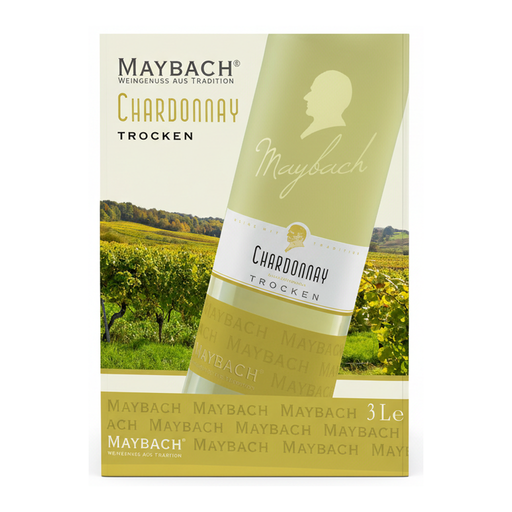
Why This Fits Their Persona: Ideal for regular, uncomplicated enjoyment. This German Chardonnay offers a clean, fruity profile that pairs well with many everyday dishes like salads or white meat. The Bag-in-Box is perfect for anyone who values freshness and excellent value for money.
Sidesteps the "bottle fixation" by using the practical Bag-in-Box Chardonnay format. The wine stays fresh for weeks, which prevents waste and makes enjoyment more flexible.
Long-lasting freshness after opening; excellent value for money; an uncomplicated, dry style with aromas of melon and exotic fruits.
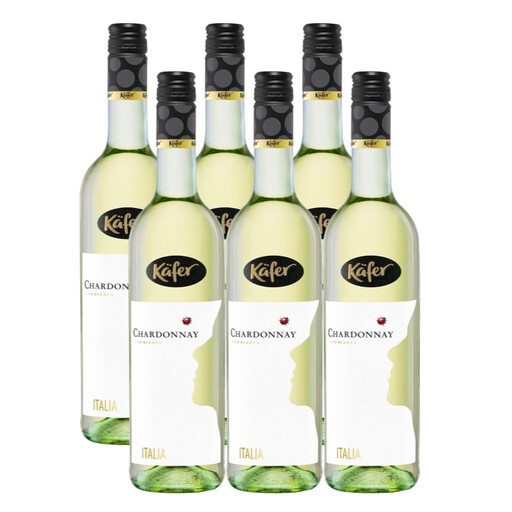
Why This Fits Their Persona: An accessible, dry Chardonnay from Italy that appeals to a wide audience. The 6-pack of wine is ideal for parties, dinners with friends, or as a backup for spontaneous occasions. Its balanced character makes it a versatile food companion.
Debunks the "origin myth" by demonstrating that an accessible and high-quality Chardonnay doesn't have to come from France. The focus is on the pleasing flavour profile, not the prestige of its origin.
Convenient bulk pack for social gatherings; balanced, dry taste that pleases many palates; pairs well with a variety of foods.
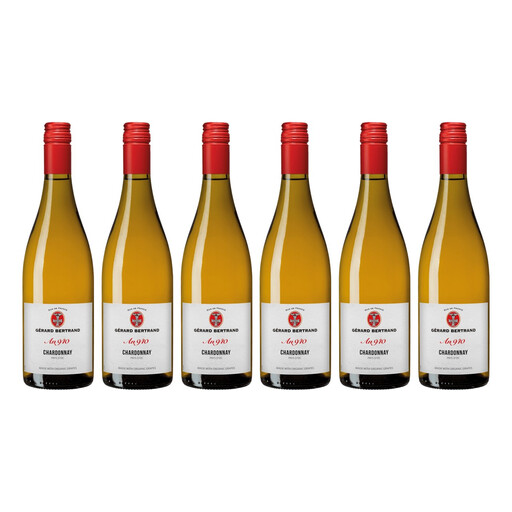
Why This Fits Their Persona: For wine drinkers who value sustainable and organic production. This organic Chardonnay from Gérard Bertrand comes from biodynamic farming and is also declared a vegan wine. It combines enjoyment with a responsible approach.
Goes beyond simple labels like "dry" or "France" to focus on verifiable production standards. The organic certification (FR-BIO-1) provides an objective guide for quality- and eco-conscious buyers.
Certified organic cultivation; declared vegan; complex aroma profile from a renowned producer focused on sustainability.
We've compiled a complete, up-to-date list of products that fully meet these strict selection criteria.
1. How long does a Chardonnay in a Bag-in-Box last after opening? A major advantage of the Bag-in-Box system is its shelf life. Since no air enters the bag when dispensing, the wine's oxidation is prevented. An opened Bag-in-Box Chardonnay will easily keep for four to six weeks in the refrigerator without losing its freshness or aroma.
2. Which Chardonnay pairs well with fish? The right choice depends on how the fish is prepared. For steamed or poached fish, light salads, or seafood, a fresh, unoaked Chardonnay with mineral notes and good acidity is a great match. For fried or grilled fish, as well as dishes with creamy sauces, a fuller-bodied, possibly oak-aged Chardonnay with notes of butter and vanilla will harmonise beautifully.
3. What is the difference between a Chardonnay aged in a stainless steel tank and one aged in a barrique? The difference lies in the ageing process and the resulting flavour profile. A Chardonnay aged in a stainless steel tank is designed to preserve the pure fruit and freshness of the grape. It often tastes of apple, citrus, or melon. A Chardonnay aged in a barrique (small oak barrel) has contact with wood, which imparts additional aromas like vanilla, toast, or a creamy texture. These wines are typically more complex and full-bodied.