
Lieferung heute & morgen

Qualitätsgarantie

Willkommens-Angebote freischalten: KOSTENLOSE Lieferung | Bis zu 80 % RABATT | Kostenlose 30-Tage-JoyPlus-Testphase
App herunterladen
When reading fine print becomes a challenge, reading glasses are a practical and essential purchase. However, the market for off-the-shelf reading glasses is vast, and the selection can be overwhelming. Many buyers invest in models that become unusable after a short time or cause discomfort. As your Joybuy Product Recommendation Officer, I will help you navigate common purchasing pitfalls and find a functional, durable reading aid that meets your needs.
This guide focuses on the objective criteria that define a quality pair of off-the-shelf reading glasses and shows you what to look for to make an informed decision.
Before you make a decision, it's important to understand the most common issues that can lead to a bad purchase.
To avoid these mistakes, you should focus on three core parameters. These will help you find a model that is both functional and comfortable.
The strength of reading glasses is measured in diopters (dpt) and corrects for age-related farsightedness (presbyopia). Off-the-shelf reading glasses are intended for individuals whose eyes have no other vision defects, such as astigmatism, and who require a similar correction for both eyes.
The following age-based estimation can serve as a general guideline:
Note: These are only reference values. For a precise determination of your vision strength, an eye exam with an ophthalmologist or optician is recommended.
The frame type affects not only the aesthetics but also the functionality and durability. The three most common types are:
Pay attention to the materials used. Frames made of high-quality plastic or metal are more resilient than simple injection-molded models. Sturdy hinges are another indicator of longer durability. For the lenses, a hard coating to increase scratch resistance is a valuable feature that significantly extends their service life.
Here are some recommendations tailored to different requirements and usage scenarios.
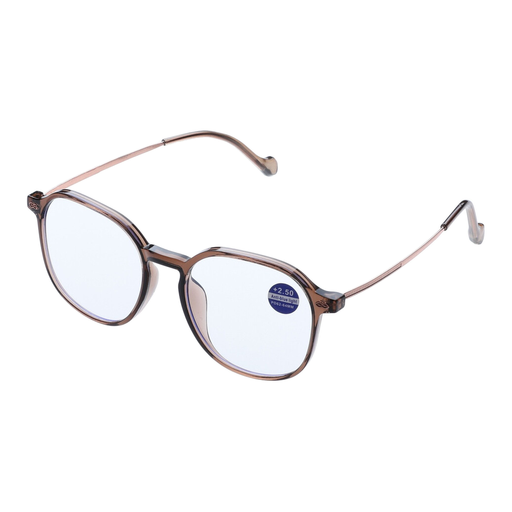
Why This Fits Their Persona: Ideal for users who need robust and reliable reading glasses for daily use in the office or at home. The classic design is suitable for both men's reading glasses and women's reading glasses.
The sturdy full-rim reading glasses frame protects the lenses and ensures high durability, thus countering the pitfall of inferior materials.
High robustness due to the full-rim construction; timeless, unisex design.
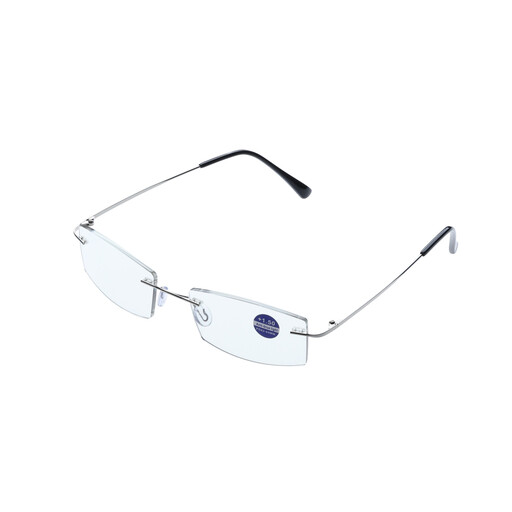
Why This Fits Their Persona: Perfect for wearers who prefer a vision aid that is as discreet and lightweight as possible. The minimalist design does not detract from one's appearance and offers superior comfort.
The extremely low weight of the rimless reading glasses minimises pressure points on the nose and behind the ears, thus avoiding the trap of an uncomfortable fit.
Very lightweight and discreet; maximum field of vision without an obstructive frame.
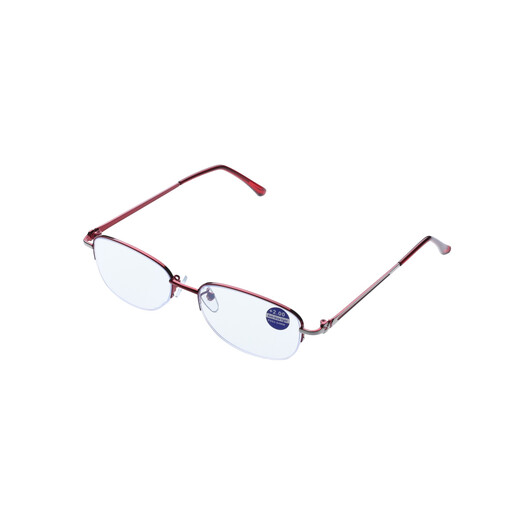
Why This Fits Their Persona: For individuals who work at a desk and frequently switch between reading documents and looking at a monitor or across the room. The classic reading glasses design is functional and timeless.
The half-rim reading glasses design solves the problem of impractical handling. You can simply look over the lenses without constantly having to put the glasses on and take them off.
Allows for an unobstructed view into the distance; lighter than full-rim models.
The age chart mentioned above provides a rough guide. However, for a precise result, an eye exam with an optician or ophthalmologist is essential. Off-the-shelf reading glasses are only intended as a temporary solution or a spare pair and cannot replace custom-fitted glasses, especially if other vision impairments are present.
Off-the-shelf reading glasses with the correct strength are not harmful for their intended purpose—short-term reading. They correct simple age-related presbyopia. However, they can cause discomfort with prolonged wear, incorrect strength, or if additional vision problems (e.g., astigmatism) exist. They are not a substitute for glasses prescribed by an optician.
Clean the lenses exclusively with a microfiber cloth to avoid scratches. Store the glasses in a case when not in use. Do not expose them to extreme temperatures (e.g., leaving them in a car in the sun), as this can damage the frame and the lens coating.