Choose a mouse that works with your test computer and suits your desk space and hand for repeated clicking. In a shared room, quiet buttons may matter more than extra features. Bluetooth means you don’t need a USB receiver, while a wired mouse needs neither wireless pairing nor batteries. For a complete checkout test, you should also navigate the page using a keyboard without a mouse.
Which mouse is right for you?
If you often test within earshot of others
If you regularly click through forms, baskets and buttons in a shared room, look for buttons specifically described as quiet. Logitech and Trust offer suitable models, but “quiet” doesn’t automatically mean the scroll wheel and every other button are silent too.
If you use different computers
If you switch between test devices or have few spare USB ports, check whether the mouse connects via Bluetooth, a USB receiver or a cable. Logitech describes the M240 Silent as a Bluetooth mouse that doesn’t need a dongle; CHERRY lists Bluetooth and 2.4 GHz wireless for the MW 9100.
If you spend long hours at your desk
If you also use the mouse beyond short test sessions, consider your hand size, handedness and preferred grip. Logitech offers the M650 in a standard size, as the M650 L and in an L version for left-handers. Choosing the right variant doesn’t replace having a suitable posture at your workstation.
What should you look for when buying?
First, check that the mouse can connect to your test computer. Then consider how loud it is and how well it fits your workspace.
| Priority |
What to look for |
Who should consider it? |
| Click noise in a shared room |
Look for main buttons specifically described as quiet, and check whether the sound of the scroll wheel and other buttons is acceptable to you. |
If you often click while others are studying or working in the room, you’ll want to disturb them as little as possible. Around 31% of consumers prioritise quiet clicks. |
| Connection to your test device |
Check Bluetooth support, the operating system and available USB ports. Also confirm whether the receiver you need is included. |
If you switch between computers or have few spare ports, choosing the right connection type is essential. Around 31% of consumers prioritise compatibility with their test device. |
| Ease of use |
Compare wired and wireless connections and power options, and check what’s included with the specific variant. |
If you don’t need extra features for basic pointer and click tests, you’ll want to keep things simple. Around 23% of consumers focus on ease of use and avoiding extra considerations. |
| Comfort during longer use |
Consider your hand size, handedness and preferred grip, as well as whether you have enough room to move the mouse. |
If you spend long periods at the computer in addition to testing checkouts, the mouse should suit your hand and the way you work. Around 15% of consumers prioritise fit. |
Avoid common misconceptions
-
Assuming “quiet” means “silent”
A claim about noise reduction doesn’t guarantee that the scroll wheel and every button are silent.
Check which buttons the claim refers to, and consider whether the noise level suits your actual surroundings.
-
Assuming Bluetooth, USB wireless and wired connections are interchangeable
Bluetooth, a USB receiver and a cable each have different connection requirements. Power options also depend on the specific model.
Compare your computer’s ports with the mouse you’ve chosen, and check which accessories and batteries are included with that variant.
Depending on the connection, you may need an adapter. For wireless models, also consider the power supply and whether you might need a replacement receiver.
-
Assuming a successful mouse click makes for a complete checkout test
A checkout that works with a mouse isn’t automatically usable with a keyboard too.
Test buttons, forms and the entire process using a keyboard without a mouse as well.
Brands to consider
Logitech
Models such as the M240 Silent combine Bluetooth with a design that doesn’t need a USB receiver. The M650 range comes in different sizes and versions for different hands.
- Logitech says the M240 Silent doesn’t need a dongle; the M650 range includes variants for different hands.
- Claims about noise reduction and fit don’t necessarily apply to every Logitech mouse.
Hama
The range includes straightforward wired mice, including the CM-200.
- Hama describes the CM-200 as a wired mouse with silent clicks.
- The cable takes up desk space, so make sure the connection and cable routing suit your workspace.
Trust
The compact Yvi+ is a wireless mouse for smaller workspaces.
- Trust lists quiet buttons and adjustable pointer speed for the Yvi+.
- Don’t assume these features apply to other Trust variants without checking.
CHERRY
According to the manufacturer, the MW 9100 offers Bluetooth or 2.4 GHz wireless; the MC 1000 is a straightforward wired mouse.
- The MW 9100’s two connection options can be useful if you switch between devices.
- There’s no confirmed quiet-click claim for the MW 9100. Also check which charging cable is included with the specific variant.
Mice for checkout testing
This Joybuy selection includes wireless mice for pointer and checkout testing, including models with several connection options and variants whose product details mention quiet clicks.
 No image available
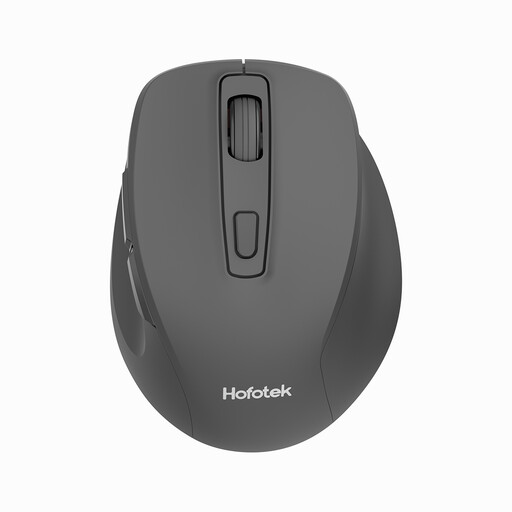
HOFOTEK M308 2.4G Silent Office Mouse
For frequent clicking in a shared room; the description mentions quiet clicks.
2.4 GHz wireless with a USB receiver; requires a compatible USB port.
The product details list adjustable DPI settings and compatibility with Windows, macOS and Android.
Joybuy
 No image available
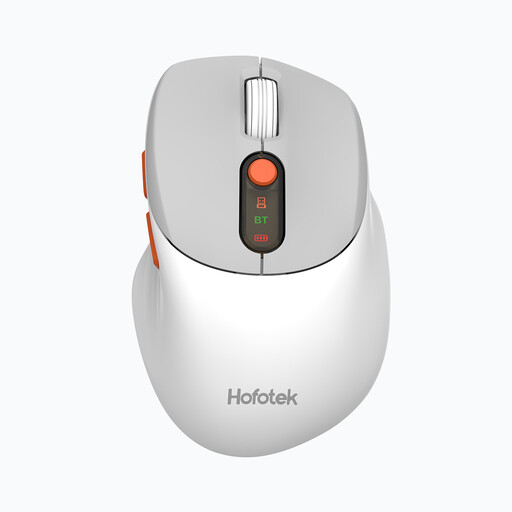
HOFOTEK M311 2.4G+BT Silent Office Mouse
An option for frequent clicking and switching between test devices; the description mentions quiet buttons and connection to up to three devices.
Bluetooth and 2.4 GHz wireless; the product details list an AA battery as the power source.
Joybuy
 No image available
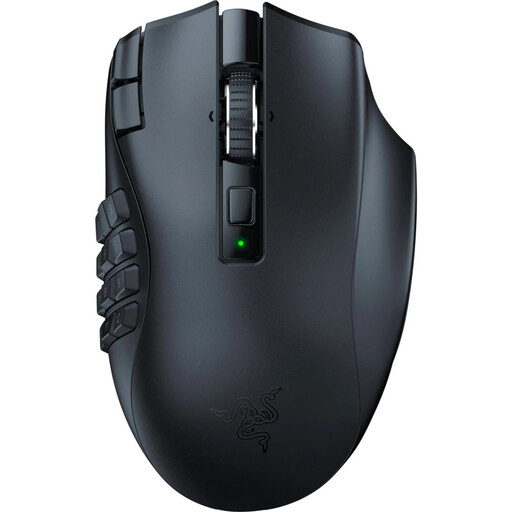
Razer Naga V2 HyperSpeed
Could suit you if you want programmable buttons in addition to basic checkout actions; these extra features aren’t essential for simple click tests.
Bluetooth and 2.4 GHz wireless; 19 programmable buttons. The product details describe a right-handed design.
Joybuy
 No image available
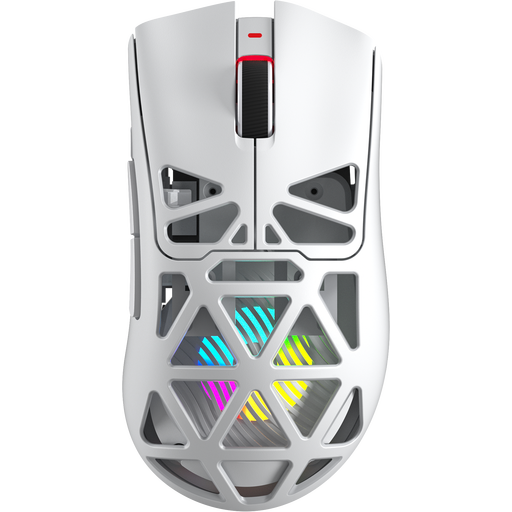
AULA SC620 Wireless Gaming Mouse, BT5.0/2.4G/USB-C
A wireless option for pointer and checkout testing if you’d like to use additional programmable buttons.
The product title lists Bluetooth, 2.4 GHz and USB-C, as well as seven programmable buttons and a weight of 67 g.
Joybuy
 No image available
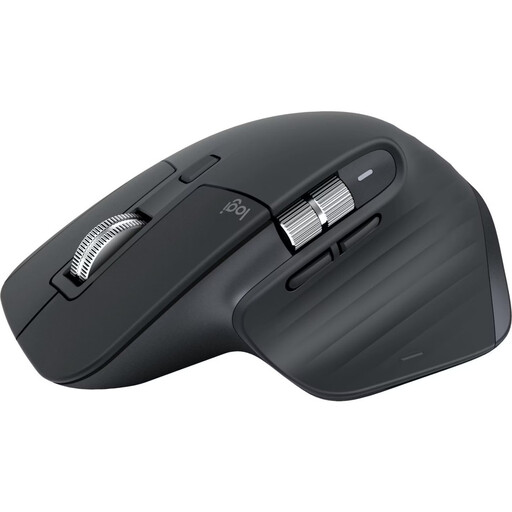
Logitech MX Master 3S Bluetooth Edition
A Bluetooth option if you want to keep your USB ports free; Logitech describes its clicks as “Quiet Clicks”.
The product details list an 8K DPI sensor, a MagSpeed scroll wheel and connections to up to three devices. The ergonomic shape described is designed for right-handed use.
Joybuy
Frequently asked questions
Is a mouse enough to check whether a checkout is accessible?
No. Test it with a keyboard as well: the W3C’s explanation of WCAG 2.1.1 states that web content should generally be operable through a keyboard interface. If you’re assessing a German checkout for legal compliance, check separately whether the specific service falls under the BFSG; you can’t determine this from the choice of mouse alone.
How do I connect a wireless mouse?
Pair a Bluetooth mouse directly with a Bluetooth-enabled computer. For a wireless mouse with a receiver, plug the compatible USB receiver into your computer. Before buying, check which connection type the specific variant actually offers and whether your computer supports it.
What are my rights in Germany if a product is faulty or I want to cancel an online purchase?
If a product is faulty, the seller is generally responsible for the statutory guarantee, as explained by the Verbraucherzentrale. For a consumer distance contract where the right applies, the statutory cancellation period under § 355 BGB is generally 14 days. The Verbraucherzentrale notes that return postage may apply.
How should I dispose of an old mouse?
Take waste electrical equipment to a separate collection point. The Umweltbundesamt recommends removing any removable batteries before handing the device in, where possible, and disposing of them separately at a battery collection point.


