
Lieferung heute & morgen

Qualitätsgarantie

Willkommens-Angebote freischalten: KOSTENLOSE Lieferung | Bis zu 80 % RABATT | Kostenlose 30-Tage-JoyPlus-Testphase
App herunterladen
A carefully curated selection of cheese, cured meats, or antipasti deserves an elegant presentation. The right cheese board is more than just a surface—it's a central element of your tablescape and significantly contributes to the overall impression. However, choosing the right board can be a challenge given the variety of materials, shapes, and sizes available.
This guide is designed to help you make an informed decision. We will outline objective criteria for selection and present a range of models that are well-suited for various applications due to their material properties and functionality.
To find the perfect board for your needs, three aspects are particularly important: the material, the size, and the intended use.
The properties of the material influence not only the appearance but also the durability and maintenance of a board.
The dimensions and shape of the board should be tailored to its intended use.
A wooden serving board requires proper care to maintain its quality and appearance over the long term. Always clean the board by hand after use with a damp cloth and mild detergent. It should never be cleaned in the dishwasher or submerged in water for extended periods. To protect the wood from drying out, it can be occasionally treated with a food-safe conditioning oil.
Here is a selection of boards that are suited for different needs due to their specific characteristics.
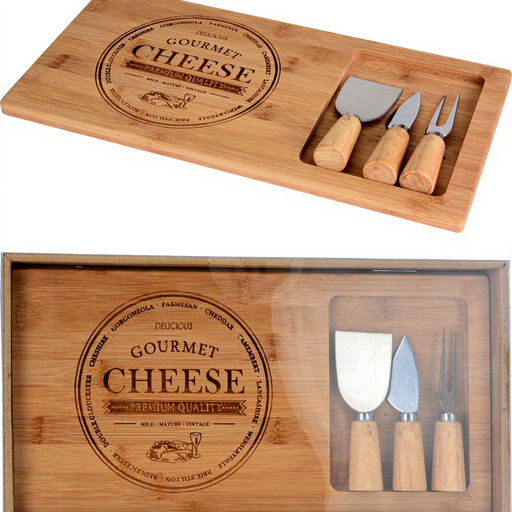
What sets it apart: This board combines functionality with an understated design. Made from sustainable bamboo, it offers a robust and cut-resistant surface. Its generous surface area makes it a versatile utensil that can be used as both a cheese platter and a serving platter for appetisers or bread. The smooth surface and rounded edges ensure safe and comfortable handling.
Advantages:
Best for: Ideal for hosts seeking a functional and aesthetically pleasing all-round board for various occasions, from casual get-togethers to more formal events.
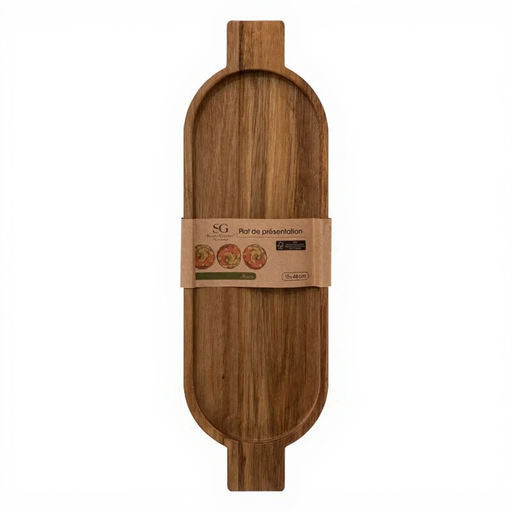
What sets it apart: This long serving platter made of acacia wood captivates with its elegant shape and the expressive grain of the wood. With a length of 48 cm and a width of 15 cm, it is perfectly suited for presenting long foods like baguettes, bruschetta, or a row of small desserts. The acacia wood board lends a warm and natural atmosphere to the table setting.
Advantages:
Best for: Perfect for home cooks and hosts who are looking for a stylish solution for buffets or for serving side dishes and who value a distinctive design.
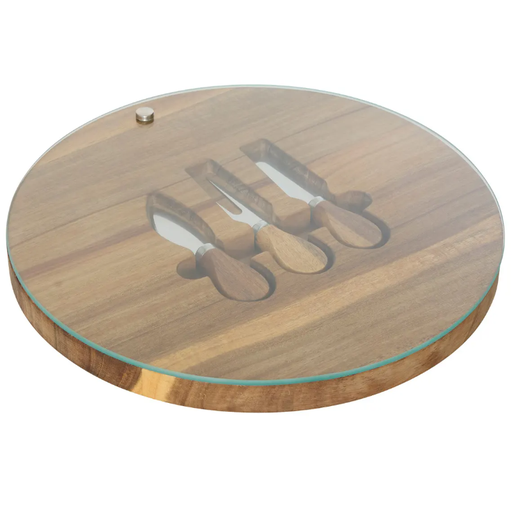
What sets it apart: The round Mina cheese board, with a diameter of 30 cm, offers a classic yet generous surface for cheese, cold cuts, and fruit. The fine grain of the acacia wood gives the platter a rustic yet refined character. Its round shape makes it an attractive centrepiece on any dining table or at a wine tasting.
Advantages:
Best for: An excellent choice for anyone who prefers a traditional cheese platter and needs ample space for a creative and abundant presentation of food.
If you are looking for more inspiration or need a special gift for an occasion, you will find a wider selection of high-quality wooden products in our Wooden Anniversary Gifts category.
1. How do you properly clean a wooden cheese board? A wooden board should never be placed in the dishwasher. After use, clean it with a damp cloth and, if necessary, a little mild detergent. Then, dry it thoroughly to prevent the wood from absorbing moisture and warping.
2. Can you also cut on a serving board? Many boards, especially those made from hard materials like bamboo, can also be used as cutting boards. However, be aware that using sharp knives can leave marks on the surface over time. For heavy-duty cutting tasks, a separate, dedicated cutting board is recommended.
3. Which wood is suitable for a cheese platter? Hardwoods such as acacia, oak, olive, or even bamboo are well-suited. They are robust, durable, and often have a dense surface that is less prone to bacteria. Furthermore, they are flavour-neutral and do not affect the cheese's aroma.
Best regards,
Joybuy Your Product Recommendation Officer