Hosts making a larger batch of dough
If you’re preparing several trays, compare the total recipe quantity with the appliance’s stated maximum dough capacity. Bosch specifies up to 1.5 kg of dough for the MC812S814.


A food processor is a good choice for cheese crackers if it comes with both a suitable grating disc and a dough tool. For larger batches, a stated maximum dough capacity matters more than the bowl volume. Bosch specifies a maximum dough capacity of 1.5 kg for the MC812S814, while KitchenAid Germany’s cheese cracker recipe uses a flat or pastry beater in a stand mixer. So, if mixing matters more to you than grating, a stand mixer could be the better fit.
If you’re preparing several trays, compare the total recipe quantity with the appliance’s stated maximum dough capacity. Bosch specifies up to 1.5 kg of dough for the MC812S814.
If you want one appliance to do both, check that a grating disc and a suitable dough tool are actually included. KitchenAid Germany lists a grating disc and a dough blade for the 5KFP1319EAC.
For smaller batches, compare the appliance’s dimensions with your available worktop and storage space, and check the permitted working capacity separately from the nominal bowl volume. Kenwood Germany lists grating discs and a dough tool for the FDM301SS.
A good fit if: you’re making smaller batches and want to grate cheese; the Kenwood FDM301SS is listed with grating discs and a dough tool.
The trade-off: No maximum dough capacity is specified for larger individual batches.
A good fit if: you’re planning larger quantities for a gathering; Bosch specifies a maximum dough processing capacity of 1.5 kg for the MC812S814.
The trade-off: Bosch’s product page gives different volume figures. For planning quantities, the stated dough capacity is the clearer guide.
A good fit if: mixing the cracker dough matters more than grating and chopping. KitchenAid Germany’s cheese cracker recipe uses a flat or pastry beater.
The trade-off: You may need a suitable attachment or a separate tool to grate the cheese.
Before choosing an appliance, compare the recipe quantity, the tools included, how much cleaning is involved and the space you have available.
| What matters | What to check when buying | Who this matters most to |
|---|---|---|
| Dough capacity per batch | Work out the total recipe quantity and compare it with the model’s maximum dough processing capacity. Don’t treat the bowl volume in litres as the permitted dough capacity. | When I’m preparing several trays for a family gathering, I want to compare the total quantity with the permitted dough capacity. Around 40% of consumers put dough capacity per batch first. |
| Cheese and dough tools | Check what’s included and read the instructions for the specific model; a grating disc, blade and dough tool each have different uses. | If I want to grate cheese and then prepare the dough, I check the specific attachments rather than relying on the appliance category alone. Around 30% of consumers prioritise a grating disc and a suitable dough tool. |
| Cleaning after several batches | Check the cleaning instructions for each part of the model; a cleaning claim for one attachment doesn’t automatically apply to every part or the motor unit. | After preparing food with cheese and flour, I want to know how each part can be cleaned. Around 20% of consumers consider cleaning their main concern. |
| Worktop and storage space | Check the appliance’s dimensions and your available space separately from the bowl volume and permitted working capacity. | If my kitchen has limited worktop and storage space, I compare the appliance’s dimensions before buying. Around 10% of consumers put compact storage and a small footprint first. |
Bowl volume, usable capacity and maximum dough capacity are different figures. A large bowl volume on its own doesn’t tell you how much dough the appliance is permitted to process.
Work out the total quantity in your recipe and compare it with the maximum dough processing capacity stated for that model.
Grating, chopping and kneading don’t necessarily use the same tool. KitchenAid Germany’s cheese cracker recipe uses a flat or pastry beater; that doesn’t mean every food processor handles the dough in the same way.
Check what’s actually included and read the instructions for the model and the tasks you plan to do.
Verbraucherzentrale distinguishes between your statutory rights against the seller and any additional voluntary guarantee.
Check who the seller is and what terms apply to any voluntary guarantee separately.
An option for larger batches if a stated dough capacity is important to you.
A possible choice if you want an appliance that can grate cheese and prepare dough; the manufacturer’s cheese cracker recipe uses a stand mixer.
Depending on the model, the MultiPro range offers different combinations of grating discs, dough tools and bowl capacities.
According to the manufacturer, the PurEase FP3131WH combines different tools for food preparation and kneading.
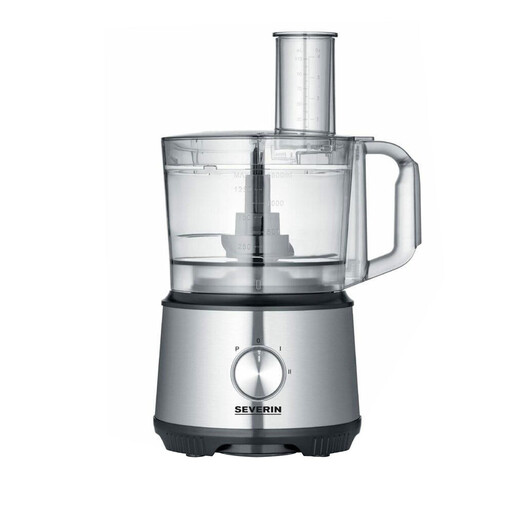
The KM 3892 is worth considering if you need to chop and grate as well as knead.
This selection includes stand mixers for mixing dough and food processors with kneading tools. If you want to grate cheese, check the grating function and what’s included with each model separately.
 No image available
An option if mixing the cracker dough is your priority; check whether you’ll need a separate tool to grate the cheese.
5.5-l bowl, 11 speeds and a 4.5-inch LED touchscreen.
Do not clean the bowl or accessories in the dishwasher.
 No image available
An option if you want to knead dough and handle other food preparation tasks with one appliance.
Includes a dough hook and attachments for grating, shredding and slicing.
According to the manufacturer, the removable attachments are dishwasher-safe; check the instructions for cleaning the other parts.
 No image available
An option if you’re looking for a stand mixer with a dough hook; the bowl volume doesn’t indicate the maximum dough capacity.
5-l stainless steel bowl, 10 speeds and 600 W.
Includes a dough hook, beater, whisk and splash guard.
 No image available
An option if you want to prepare cracker dough using a dough hook; no cheese-grating function is specified.
4.5-l stainless steel bowl, 1,300 W and speed settings 6+P.
Includes a dough hook, whisk and beater.
 No image available
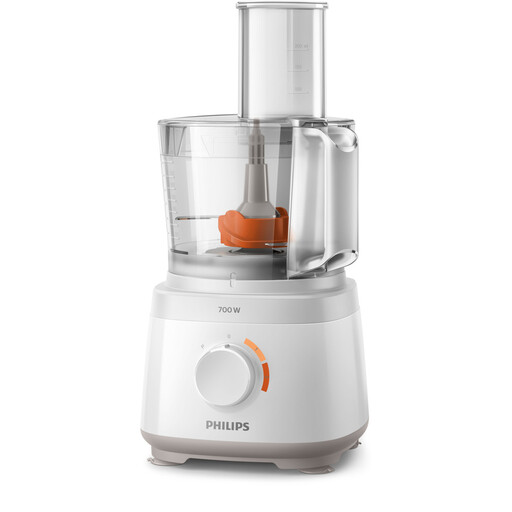
An option if you want to combine kneading and other food preparation tasks in one food processor; check the permitted dough capacity for your recipe.
700 W and a 2.1-l bowl; this volume isn’t a stated maximum dough capacity.
Includes a kneading tool, slicing and shredding discs, and a pulse function. According to the product description, the removable parts are dishwasher-safe.
Don’t assume that this has been tested: KitchenAid Germany’s cheese cracker recipe uses a stand mixer with a flat or pastry beater. If you want to use a food processor, check its instructions and permitted dough capacity; the methods aren’t automatically interchangeable.
Compare the total quantity of ingredients with the maximum dough processing capacity stated for the specific model. Bowl volume in litres and maximum dough capacity in kilograms are different figures; Bosch specifies a maximum of 1.5 kg of dough for the MC812S814.
It depends on the model and the part. Severin describes the attachments for the KM 3892 as dishwasher-safe; that doesn’t mean the same applies to the motor unit or other models. Always follow the instructions for the appliance you’ve bought.
The German Federal Institute for Risk Assessment advises against eating unbaked biscuit dough. Remember to follow good kitchen hygiene after handling flour, too; this advice doesn’t relate to any particular food processor setting.