Careful sauce makers
When making a delicate sauce, you should be able to turn the heat down easily once it’s warmed through. Look for easy-to-use low settings and make sure the pan base is compatible with your chosen hob.


If you’re using just one pan and don’t want to alter your kitchen, a portable hob with easy-to-reach power controls and a suitably sized cooking zone could be a good option. If you need to use several pans at once, a built-in hob may be more practical. Induction requires a magnetic pan base, while a radiant hob can be used with other types of cookware. None of these appliance features alone guarantees that your cheese sauce won’t stick.
When making a delicate sauce, you should be able to turn the heat down easily once it’s warmed through. Look for easy-to-use low settings and make sure the pan base is compatible with your chosen hob.
When making several portions at once, the pan base needs to match the usable cooking zone. Space for additional pans can also influence your choice between a single portable hob and a built-in hob.
If you’re looking for an extra or portable hob, compare induction and radiant heat based on the cookware you already own. Induction requires a magnetic pan base.
A good fit if: you want to cook without a permanent installation, only need one cooking zone and have an induction-compatible pan.
Things to consider: A single zone limits cooking several dishes at once. The pan base needs to match the usable cooking zone.
A good fit if: you want a portable hob and your pan doesn’t have an induction-compatible base.
Things to consider: The surface may continue to give off heat after you turn the setting down or switch it off. The Rommelsbacher CT 2200/E has a residual heat indicator.
A good fit if: you need several permanent cooking zones, have a suitable worktop cut-out and can arrange the electrical connection.
Things to consider: The Bosch and Siemens models described here don’t come with a plug and are designed to be connected by a qualified electrician.
When making a large batch of cheese sauce, the key factors are how easily you can adjust the heat, the size of the pan base, the cookware you already own and how the hob will be installed.
| What you need | What to check before buying | Who is this important to? |
|---|---|---|
| Control the heat when making sauce | Check the controls and available power settings; look for temperature control specifically designed for use with a pan. | If I want to turn the heat down easily for a delicate sauce, I look for controls that are simple to adjust precisely. Around 36% of consumers say this level of heat control matters most to them. |
| Fit a large pan for sauce | Measure the flat base of your pan and compare it with the usable cooking zone. For built-in hobs, check the cut-out too. | If I’m making a larger batch in one pan, the usable zone needs to suit its base. Around 29% of consumers prioritise pan size. |
| Keep using your existing pan | For induction, check that the base is magnetic and note its diameter; otherwise, compare radiant hobs. | If you want to keep using your existing sauce pan, choose a heating method that suits it. Around 21% of consumers say cookware compatibility matters most to them. |
| Portable use or permanent installation | For portable appliances, check the space available and the plug type. For built-in hobs, check the cut-out and the connection type for the specific model. | If I don’t want to install a permanent hob, a portable model is an obvious choice. A built-in model may suit me if I need several permanent cooking zones. Around 14% of consumers mainly need a flexible set-up. |
A published F.A.Z. Kaufkompass test of the Silvercrest SIKP 2200 B1 covers tasks including heating water, not making cheese sauce.
Compare the low settings and controls on the specific appliance. Use a suitable pan, and keep an eye on the sauce and stir it.
According to the manufacturer, the Rommelsbacher CT 2200/E uses radiant heat beneath glass ceramic. Induction, on the other hand, requires a magnetic pan base.
Check the heating technology and pan base separately before choosing an appliance.
If your existing pan isn’t suitable for induction, switching to an induction hob may mean you need a different pan.
The size of the appliance alone doesn’t tell you whether the pan base will match the usable cooking zone. For a built-in hob, the cut-out and connection type must also suit the specific model.
Measure the pan base and existing cut-out, and check the manufacturer’s details for the cooking zone and connection.
North Dakota State University Extension says many cheese products, including sauces, freeze well. Penn State Extension, however, notes that cream sauces may have quality issues. Neither source tests your specific recipe.
Freeze a small portion first and check whether the texture meets your expectations once it has thawed.
A batch that doesn’t turn out well can mean wasted food and preparation time.
The models mentioned include a portable induction hob and a portable radiant glass-ceramic hob.
The KP 1032 is a plug-in portable single-zone induction hob.
According to Bosch, the PVS63KBB5E is a 60 cm built-in induction hob with four zones.
The EX975LXC1E is a 90 cm built-in induction hob with five cooking zones.
According to AEG, the OIO64C00IB is a stand-alone 60 cm built-in induction hob with four zones.
The Joybuy products below include portable and built-in hobs for different pans and kitchen set-ups.
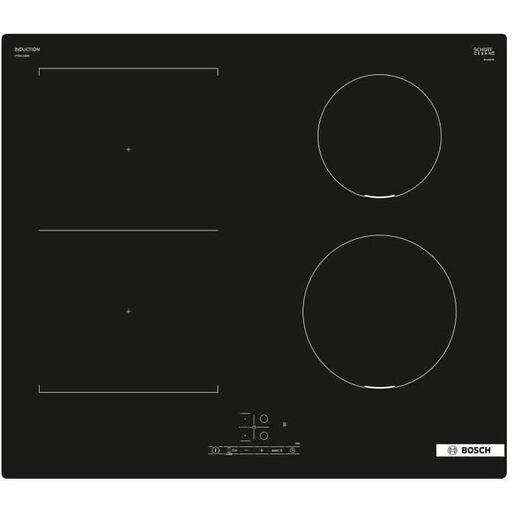 No image available
A built-in appliance for households that want to use several cooking zones; the pan must be induction-compatible.
60 cm; 6900 W; 4 cooking zones.
 No image available
A portable hob for anyone who doesn’t want a permanent installation; cookware must be suitable for induction.
800–3500 W; 8 temperature settings; 8 power levels; timer.
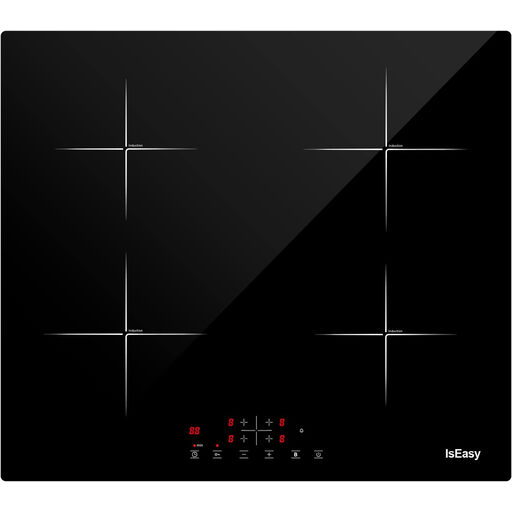 No image available
For a permanent hob installation with several zones; induction requires a suitable magnetic pan base.
6800 W; 9 power levels; timer from 1 to 99 minutes.
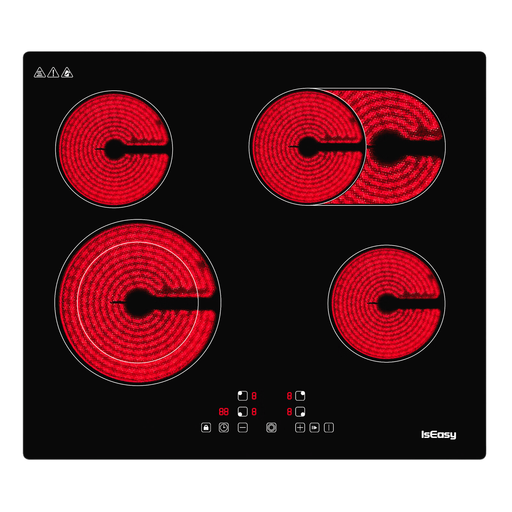 No image available
An option for anyone who wants to use different shapes of cookware; check that the cut-out and connection are suitable for your kitchen.
6600 W; 9 power levels; oval and dual-ring zone.
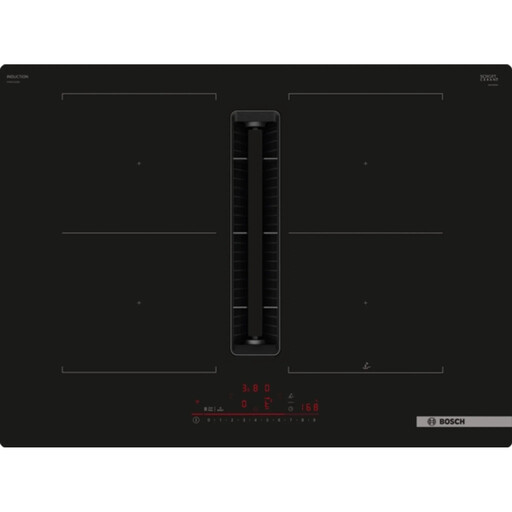 No image available
For a fitted kitchen where you want to combine the hob and extractor; the product description specifies connection by a qualified electrician.
70 cm; 4 cooking zones; 17 power levels; CombiZone.
Check for an induction symbol or see whether the pan base is magnetic, then compare its diameter with the cooking zone on the specific appliance. The diameter at the rim may be different from the diameter of the base.
According to the manufacturer, the Bosch and Siemens models mentioned here don’t come with a plug and are designed to be connected by a qualified electrician. A plug-in portable hob is different; this doesn’t mean that every hob has the same connection requirements.
The German Federal Institute for Risk Assessment recommends cooling hot food quickly to below 7 °C for longer-term storage. First, freeze a small sample of your recipe: North Dakota State University Extension says many cheese products, including sauces, freeze well, while Penn State Extension warns of possible quality issues with cream sauces. Ingredients and the recipe can affect the texture.
No. According to Verbraucherzentrale, the EU energy label for a cooker relates to the oven, not the hob. It therefore doesn’t give you a direct indication of the energy used for a particular cooking task.
Severin lists a repair service for the KP 1032 and sets out its warranty separately from statutory consumer rights. Check the seller’s terms for the specific model on offer; this information doesn’t apply to other appliances.