What should you look for when buying?
Compact fan-assisted mini oven
A good fit if: you bake small batches and your tin and available space meet the requirements in the manual.
Trade-off: A smaller cooking space may mean baking in multiple batches. Steba lists a 19 l capacity for the KB M19 and requires a 10 cm gap between the back of the appliance and the kitchen wall.
Larger fan-assisted mini oven
A good fit if: you often bake for several people and want a larger tray area for your tin or scones.
Trade-off: Larger baking areas need more space. Rommelsbacher lists a 42 l capacity and a 38,5 × 31,5 cm original baking tray for the BG 1805/E. These are the tray’s external dimensions, not the usable baking area.
Oven air fryer with a baking programme
A good fit if: you want to use the same space for other air-fried dishes too, and a suitable tray or tin for your scones will fit.
Trade-off: Extra programmes don’t remove the need to check the tin, temperature, space requirements and cleaning instructions. CASO Design says the AirFry Chef 1700 has a baking programme and a baking tray; this doesn’t mean it will bake scones better.
When choosing an oven for cheese scones in a shared kitchen, the main things to consider are whether it suits your recipe, how much space you have and how many scones you want to make. The percentages below show the main priorities for this particular buying decision.
| Priority |
What to check before buying |
Who is it important to? |
| Recipe, setting and tin |
Check that the oven has a fan setting and the required temperature range; make sure your tin, including its rim and handles, fits inside. Arla Foods specifies a fan oven at 225 °C, while Good Food specifies a fan oven at 180 °C. |
If you want to follow a particular recipe as closely as possible, check the setting, temperature and tin size first. Around 28 % of consumers have this as their main priority. |
| A safe place to position the oven |
Check the space available, how the door opens, and the clearance and ventilation requirements for the model. The Steba KB M19 manual requires a 10 cm gap between the appliance and the kitchen wall. |
If you share a worktop and socket, you need to be able to position the oven safely with all the required clearances. Around 22 % of consumers have this as their main priority. |
| Tin size and batch size |
Compare the interior dimensions, tin diameter and usable tray area; don’t assume the tray’s external dimensions are the same as its usable baking area. Rommelsbacher lists tins up to 29 cm in diameter for the BGE 1580/E. |
If you’re baking scones for several people, you’ll want to fit the amount you need onto a tin or tray. Around 22 % of consumers prioritise batch size above all else. |
| Cleaning after use |
Check the crumb tray, baking tray and cleaning instructions for the model you’re considering; features and ease of use vary. |
If several people use the appliance in turn, crumbs and cheese residue should be easy to reach and remove before the next batch. Around 17 % of consumers prioritise easy cleaning in a shared kitchen. |
| Other dishes |
Check that the programmes and accessories meet your needs; a list of programmes doesn’t tell you whether the oven is suitable for a particular scone recipe. |
If you want to cook other air-fried dishes as well as scones, weigh up the extra features against the space needed and how easy the oven is to clean. Around 11 % of consumers prioritise versatility. |
Joybuy products to consider
The Joybuy products below range from mini ovens to a freestanding cooker and an air fryer oven. In a shared kitchen, check carefully that the appliance type, tin and available space suit your recipe and the room you have.
 No image available
Woltu BF12sz mini oven, 32 l
Could be suitable for cheese scones if the temperature and tin specified in your recipe are compatible with the oven.
32 l; 1.600 W; timer; removable crumb tray; temperature range 100–250 °C; baking and grilling.
View at Joybuy
 No image available
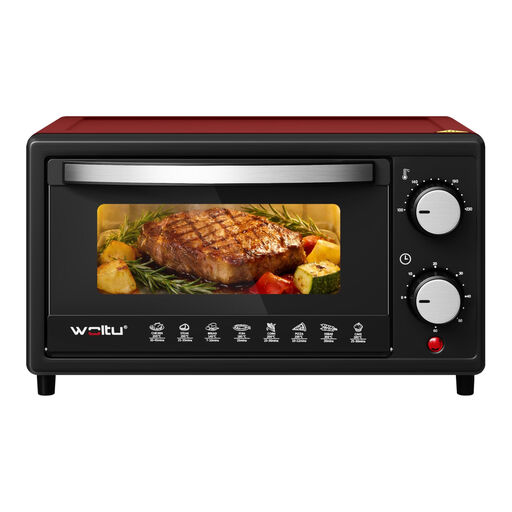
Woltu mini oven, 10 l
A possible option for small batches, provided your tin fits and you can set the temperature required by your recipe.
10 l; pizza function; temperature range 100–230 °C.
View at Joybuy
 No image available
Woltu mini convection oven, 28 l
Could be a good fit if you’re looking for a convection oven for your recipe and check that your tin and available space are suitable first.
28 l; temperature control and timer; three heating modes and three adjustable shelf positions.
View at Joybuy
 No image available
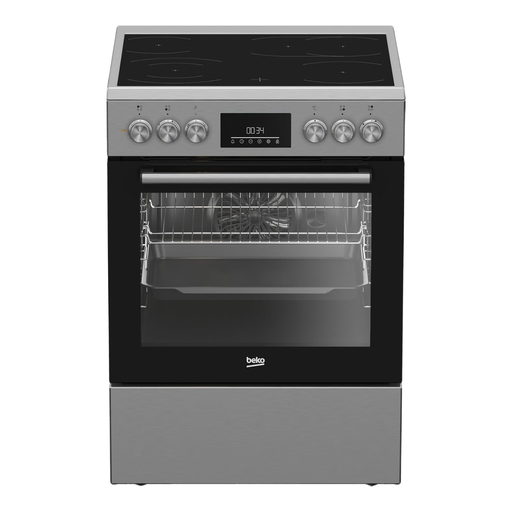
Beko FBM67320XS freestanding cooker, 60 cm
A fan function is listed; in a shared kitchen, pay particular attention to the space needed for a freestanding cooker.
72 l; 60 cm wide; eight heating functions; SteamShine cleaning.
As a freestanding cooker measuring 60 cm wide and weighing 54,2 kg, it will need enough room for installation and use.
View at Joybuy
 No image available
ROUNY air fryer oven, 6,5 l
Could be suitable for scones and other air-fried dishes if the right tin and temperature are compatible with the appliance.
6,5 l; stainless steel basket, inner container and rack; viewing window; rotary controls.
View at Joybuy
Frequently asked questions
Does an oven need to reach 225 °C on the fan setting for cheese scones?
Only if you want to follow a recipe that specifies this temperature: Arla Foods recommends a fan oven at 225 °C and a muffin tin. A cheese scone recipe from Good Food calls for a fan oven at 180 °C and a baking tray. Choose the temperature, setting and tin to suit your recipe.
Can I bake scones on two levels at once?
It depends on the model. For the Rommelsbacher BGE 1580/E, the manufacturer says you need to preheat thoroughly, use the fan setting and load the oven appropriately to bake on multiple levels. Having several shelf positions in another oven doesn’t, by itself, mean you can bake on multiple trays at once.
What should I consider when positioning a mini oven?
Follow the manual for your appliance and allow for ventilation and clearances, as well as an accessible power socket. The manual for the Steba KB M19 specifies a 10 cm gap between the back of the appliance and the kitchen wall. This requirement applies to this model and not to all ovens.
What rights do I have when buying an oven online from a trader?
For an eligible online consumer purchase in the EU, you generally have a 14-day right to cancel from the date of delivery; exceptions and possible return costs may apply. Your Europe also explains the minimum two-year legal guarantee that applies when goods are faulty, which you can claim from the seller. These rights are separate from a voluntary manufacturer’s guarantee.
What should I check on the labelling and documentation for an electrical appliance?
Check the product labelling, manufacturer details and required German-language instructions for use and safety warnings in the listing for the specific product. The Bundesnetzagentur includes these points in its market surveillance checks; a product description alone doesn’t confirm that an authority has inspected the product or that an individual appliance is safe.


