What should you look for when buying?
Compact fan-assisted countertop oven
A good choice when: A small number of scones per batch is enough and you have a clear, well-ventilated spot. The manufacturer lists a 20 l capacity and a fan function for the Severin TO 2068.
Things to consider: The smaller cooking area may mean baking more batches, and the required clearances can take up considerably more space.
Larger fan-assisted countertop oven
A good choice when: You want to fit more scones on a suitable tray but don’t need a built-in oven. Rommelsbacher lists a 42 l capacity and an included baking tray for the BG 1805/E.
Things to consider: A larger oven takes up more worktop space. Four shelf positions don’t mean four trays are included, or that several trays of scones will bake evenly.
Built-in oven with multi-level fan cooking
A good choice when: You have a suitable cabinet space and want to bake on several trays at once. Siemens states that the HB572ABS3 offers 3D hot air for up to three levels.
Things to consider: The number of levels is a manufacturer’s specification, not an independent scone-baking test. The installation dimensions, fitting requirements and included accessories must suit your needs.
| What matters |
What to check before buying |
Who should pay particular attention? |
| Serving later |
Check the timer and suitable heating function. For leftovers, follow the Federal Institute for Risk Assessment’s guidance on cooling promptly and refrigerating. |
If I’m serving scones at different times, I want to weigh up fresh small batches against chilled leftovers. Around 33% of consumers prioritise baking in portions and serving later. |
| Baking area and batch size |
Compare the tin or tray dimensions, the number of scones you want to make, the number of trays included and whether multi-level cooking is specifically stated. |
If you want to bake as many scones as possible in just a few batches, you need a suitable usable area, not just a large capacity in litres. Around 27% of consumers say batch size is their top buying priority. |
| Space and appliance type |
Measure the available space, including the ventilation clearances for the specific model. For built-in appliances, check the cabinet dimensions and installation requirements. |
If worktop space is limited, the appliance and the required clearances must fit together. Around 20% of consumers say available space is their main consideration. |
| Heating function and controls |
Match the heating function and temperature range to your chosen recipe. For ovens with recorded figures, compare standardised energy use per cycle. |
If I bake regularly, I want to match the temperature and heating function to my recipe without unnecessary fuss. Around 20% of consumers prioritise energy use and ease of use. |
Arla Foods gives a temperature of 225 °C with fan cooking for one specific cheese scone recipe; other scone recipes may specify something different. The energy label for domestic ovens does not cover every type of appliance: the European Commission excludes small and portable ovens. A standardised energy figure also doesn’t directly reflect the energy used to bake a particular batch of scones.
Joybuy products for different batch sizes
This selection includes built-in ovens specified for hot air on several levels, as well as countertop ovens for smaller batches or baking in stages.
 No image available
Bosch HBA571BB4 Series 2 built-in oven
For larger batches when you have a suitable space for a built-in oven and want to use several levels.
71 l capacity; 30–275 °C; 3D hot air for up to three levels; pyrolytic cleaning; 10 AutoPilot programmes; LED touch controls. Professional installation is recommended for this built-in appliance.
View at Joybuy
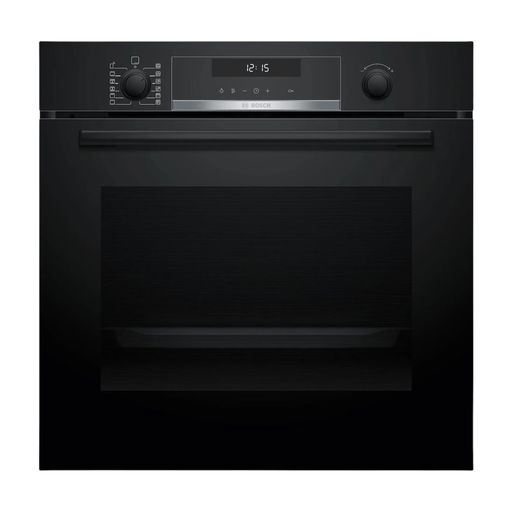 No image available
Bosch Series 6 HBG578EB7 built-in oven
An option for larger batches if you have a suitable cabinet space.
71 l capacity; 30–275 °C; 3D hot air; 60 cm; Home Connect; AirFry. Professional installation is recommended for this built-in appliance.
View at Joybuy
 No image available
Bosch Series 6 HBG578ES3 built-in oven
This model is worth considering for several trays if you have a suitable cabinet space.
71 l capacity; 30–275 °C; 3D hot air for up to three levels; one baking tray included. The description also mentions a digital timer and rapid heating. Professional installation is recommended for this built-in appliance.
View at Joybuy
 No image available
WOLTU BF12sz mini oven, 32 l, white
For worktops and larger countertop-oven batches, provided the tray and available space are suitable.
32 l; 1600 W; 100–250 °C; 60-minute timer; crumb tray; top heat, bottom heat or both together.
View at Joybuy
 No image available
WOLTU mini oven, 10 l, white
For small batches baked one after another, provided your chosen recipe and tin fit inside the oven.
10 l; 100–230 °C; programmable timer up to 60 minutes; top and bottom heat. The description presents it as a compact option for 1–2 people.
View at Joybuy
Frequently asked questions
Does my cheese scone recipe always need the same temperature for fan cooking?
No. The temperature depends on the recipe you choose. Arla Foods gives a temperature of 225 °C with fan cooking and recommends a muffin tin for one cheese scone recipe; another Arla Foods cheese scone recipe specifies 180 °C with fan cooking. Match the heating function, temperature range and tin dimensions to your recipe.
Can I simply leave baked scones in a warm oven until the next meal?
Don’t rely on the oven setting alone. The Federal Institute for Risk Assessment recommends keeping heated food at a minimum of 60 °C throughout. Leftovers should be cooled to below +7 °C within a few hours, kept in the fridge and eaten within two to three days.
What should I consider when positioning a countertop oven?
The manual for the specific model is the key guide. For the Severin TO 2068, it specifies 12 cm of clearance at the sides and rear, and 30 cm above, and prohibits installation in a cabinet. These measurements don’t automatically apply to other countertop ovens.
Does every oven sold in Germany need an EU energy label?
No. The European Commission excludes small and portable ovens from the energy-labelling requirements for domestic ovens. For ovens covered by the scheme, the label shows, among other things, energy use per standardised baking cycle; this figure doesn’t measure the energy used for a particular batch of scones.
Who can help if an appliance develops a fault after an online purchase?
When you buy from a trader in the EU, you’re entitled to a legal guarantee from the seller for at least two years from the date you receive the goods. A voluntary manufacturer’s guarantee doesn’t replace this legal guarantee. Also check what repair options the manufacturer offers for the specific model.


