
Lieferung heute & morgen

Qualitätsgarantie

Willkommens-Angebote freischalten: KOSTENLOSE Lieferung | Bis zu 80 % RABATT | Kostenlose 30-Tage-JoyPlus-Testphase
App herunterladen
An attractive serving board transforms simple snacks into a culinary highlight and becomes the centrepiece of any social gathering. But the selection is vast, and not every model that looks good at first glance proves its worth in daily use. Before you make a decision, it's helpful to know the common pitfalls that often only become apparent after the purchase.
Many buyers invest in boards that turn out to be impractical: materials that stain easily, unwieldy sizes, or accessories that promise more than they deliver. A common problem, for example, are so-called "jack-of-all-trades" that fail to impress as either a cutting board or a serving platter. Another annoyance is sets whose included knives or bowls are of subpar quality, diminishing the overall impression. Finally, the maintenance effort is often underestimated—some woods require intensive care to prevent cracks and discolouration.
To make an informed decision, three central aspects should be prioritised: the material, the intended function, and the right size. These factors determine not only the look but also the durability and practicality of your serving board.
The material significantly shapes the character and potential uses of a serving board. Each option has specific properties that make it more or less suitable for certain purposes.
The ideal size and shape depend on what you want to serve and for how many people.
Based on these criteria, we have identified some models that are suitable for specific user profiles.
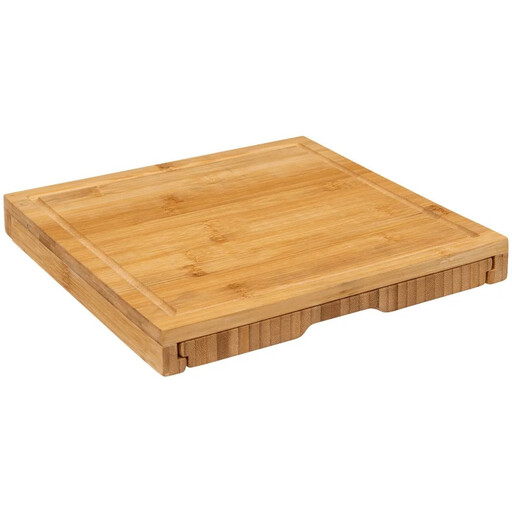
Why this model is a great fit: Ideal for anyone who wants to serve cheese in a stylish and functional way. The integrated drawer with four different cheese knives ensures that the right tool is on hand for every type of cheese, without needing extra cutlery.
This set avoids the trap of useless accessories by integrating the knives directly and compactly into the design. Functionality is the priority.
The combination of a bamboo serving surface and a complete, stowable knife set makes it a thoughtful all-in-one solution for cheese platters.
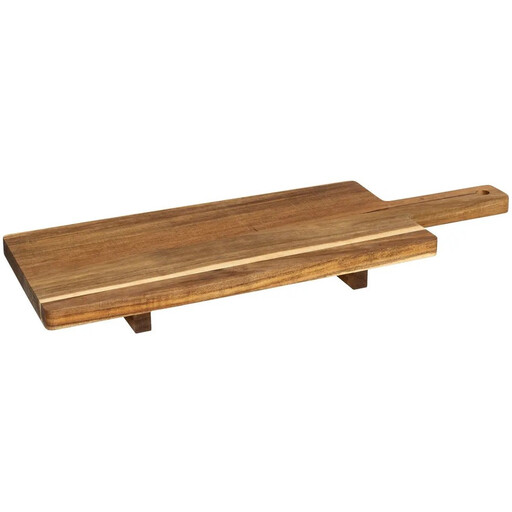
Why this model is a great fit: For hosts who love to entertain many guests and need a large, versatile serving surface. At 70 cm long, this board offers ample space for a full antipasti selection, various cheeses, bread, and more.
It focuses on a single function: providing maximum serving space. It avoids the trap of an impractically small size and unnecessary gimmicks.
The extra-large surface of 70 x 25 cm and the durable acacia wood make it a long-lasting and impressive centrepiece for any buffet.

Why this model is a great fit: This set is designed for daily use and offers the right size for every task—from chopping vegetables to serving snacks. The boards can be used for both cutting and serving.
Instead of offering an inadequate "all-in-one" product, this set provides three specialized sizes, offering true versatility without compromising on functionality.
The set includes three sizes with practical juice grooves and handles. According to the manufacturer, the carbonization of the bamboo increases durability and reduces moisture absorption.
We have compiled a complete, up-to-date list of products that fully meet these strict selection criteria and German safety regulations.
A wooden or bamboo serving board should never be cleaned in the dishwasher, as the heat and moisture can cause the material to swell and crack. Instead, clean it by hand with warm water and a mild detergent. Dry it thoroughly immediately. To protect the wood and extend its life, it is recommended to regularly (about every few months) treat it with a food-safe mineral oil or beeswax.
That depends on the material. On a wooden cutting board or a bamboo one, you can generally cut, although this will leave visible cut marks over time. Many users appreciate this patina. A slate platter, on the other hand, is unsuitable for cutting. The hard surface would quickly dull knife blades and can itself get scratched or chipped. For cutting tasks, a separate board made of wood or plastic is the better choice.
Wooden boards are universally applicable and are excellent for bread, cold cuts, antipasti, and cheese. Their warm appearance complements rustic and hearty dishes. Slate platters are ideal for presenting cheese, sushi, or chocolates, as the material stays cool and provides an elegant, dark background. A serving board with bowls made of ceramic or porcelain is the best choice if you want to serve dips, sauces, or small pickled items like olives, as these materials do not absorb odours or colours.