Households short on worktop space
You want to store portions of cheese without giving up space for an extra appliance before you need to.


If your cheese portions fit in your existing fridge and can be kept chilled in line with their storage instructions, you don’t need a second appliance just because of the portion size. If you’re short on fridge space, compare compact fridges by their footprint and required clearance, interior layout and achievable temperature. An extra appliance will usually run continuously and add to your electricity bills; a drinks cooler isn’t automatically suitable for every portion of cheese.
You want to store portions of cheese without giving up space for an extra appliance before you need to.
You need more room for chilled food and have to weigh up the external dimensions, door clearance and usable interior space of a compact appliance.
You’re considering running another appliance continuously and want to compare its stated annual energy consumption with the space it will actually need.
A good fit if: The portions fit and you can keep them at the required temperature.
The trade-off: Cheese takes up space that could be used for other food, but there’s no need for a second appliance.
A good fit if: You’re short on fridge space and have a suitable spot that meets the requirements for the specific model.
The trade-off: The appliance needs space for both its footprint and clearance, and adds to your electricity bills.
A good fit if: The specific model can meet the cheese’s storage requirements in the intended location.
The trade-off: A cooler designed for drinks isn’t necessarily able to maintain a suitable temperature for cheese.
| Priority | What should you look for? | Who might find this particularly important? |
|---|---|---|
| Keeping cheese chilled | Check the cheese’s storage instructions, along with the cooling method and achievable temperature in the intended location. For perishable food, the German Federal Institute for Risk Assessment recommends a fridge temperature of 2 °C to no more than 7 °C. | If I need to keep cheese chilled, the temperature the appliance can actually reach matters to me; around 29% of consumers put effective cooling first. |
| Space and positioning | Check the specific model’s width, height and depth, the door swing and the manufacturer’s installation instructions. | If there’s little room left on the worktop, I want to check that the appliance and its open door will fit before buying; around 29% of consumers prioritise the space it takes up. |
| Usable interior space | Compare the dimensions of your containers with the shelves and door compartments; check whether you really need a separate cold compartment. | If I want to keep several portions or containers separate and within easy reach, I look at the shelves and interior layout; around 24% of consumers prioritise usable space and easy access. |
| Energy consumption | Compare the specific model’s annual consumption in kWh and use your own electricity tariff to work out the likely cost. | If an extra appliance will be running continuously, I want to estimate its annual consumption in advance; around 18% of consumers focus on running costs. |
What matters is the temperature the appliance can actually reach in its intended location, not just what it’s called.
Check the storage instructions on the cheese packaging and the temperature controls on the specific appliance in the intended location.
The door swing and model-specific installation requirements may mean you need extra space.
Measure the available space, height and door swing, then check the installation instructions for the exact model you want.
An unsuitable spot could mean rearranging your space or returning the appliance.
A fridge usually runs all year round, so its annual energy consumption and your electricity tariff affect the ongoing cost.
First check whether your existing fridge is enough. If not, compare the stated kWh per year.
According to Exquisit, the black KB05-V-040E is a freestanding 40-litre mini fridge designed for spaces where room is limited.
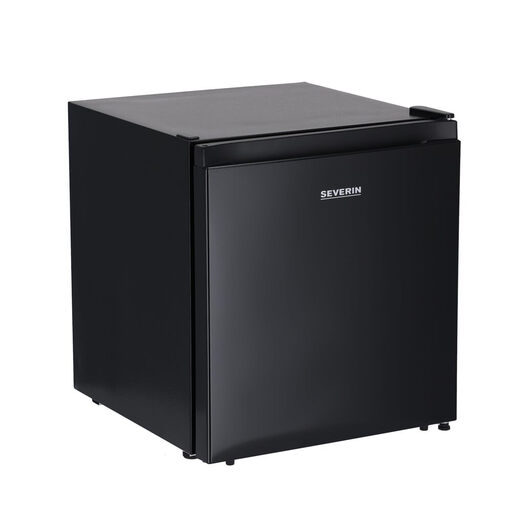
According to the manufacturer, the KB 8884 is a freestanding 45-litre compressor fridge with a separate cold compartment.
According to the manufacturer, the white KB 7245 is a compact 45-litre appliance with a section described as a freezer compartment.
The Beersafe M offers an alternative in the form of a small compressor drinks cooler with a glass door; versions vary, including in capacity.
The appliances below offer compact ways to add extra chilled storage. Before buying, check that the temperature range, interior layout and installation dimensions suit your cheese portions and the space available.
 No image available
An option if you need extra chilled storage and a flexible interior layout.
45 l total capacity; 5-litre freezer compartment; compressor cooling and adjustable thermostat. Two shelves, one of which is removable; dimensions: 41.8 × 44.8 × 47.8 cm; reversible door.
 No image available
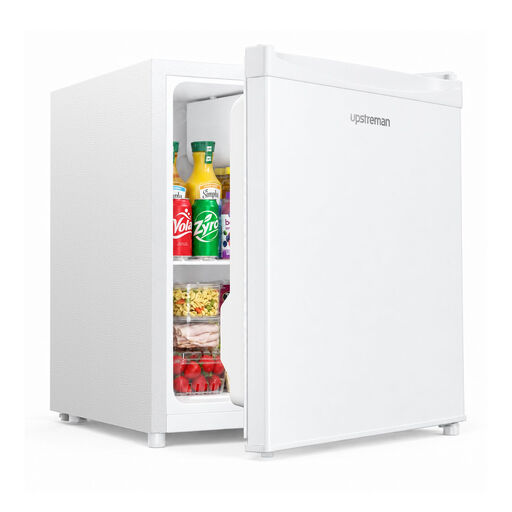
Described as a tabletop fridge; check whether its dimensions and temperature settings suit your space and the cheese’s storage instructions.
Temperature settings from 0 to 12 °C across five levels; 41 dB; reversible door and height-adjustable feet.
 No image available
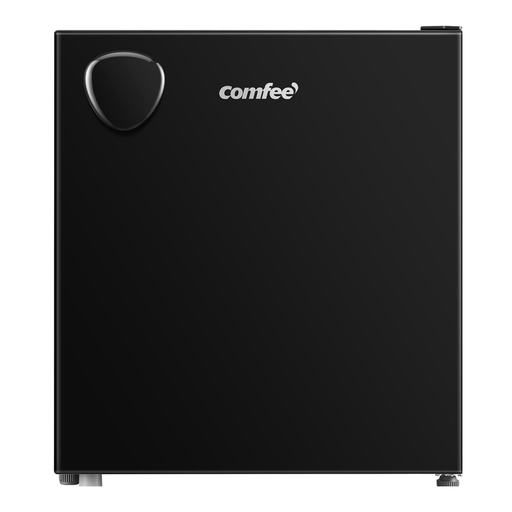
A compact option if adjustable shelves are important; according to the product description, the Chill Box is designed for drinks.
43 l; 44.5 cm wide; three temperature settings, adjustable shelves and annual energy consumption of 80 kWh. Energy efficiency class E. The Chill Box chills drinks without freezing them.
 No image available
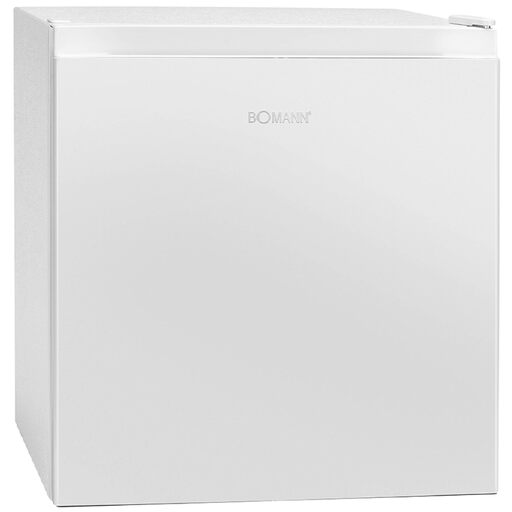
An option if you need a removable shelf and temperature control.
45 l usable capacity with a 4-litre freezer compartment; temperature control from 0 to +8 °C; compressor and removable glass shelf. Dimensions: 46.8 × 44.5 × 50 cm; reversible door.
 No image available
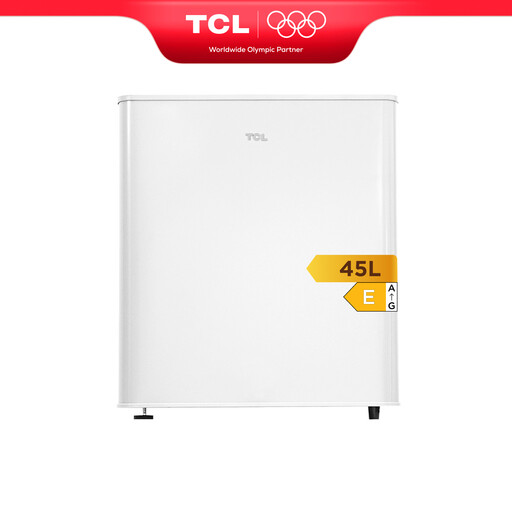
Described as a tabletop fridge; compare its dimensions with your available space and the required installation conditions.
45 l total capacity with a 3-litre freezer compartment; cooling range from 0 to 10 °C with mechanical controls and an adjustable glass shelf. Dimensions: 449 × 485 × 512 mm. Energy efficiency class E.
The German Federal Centre for Nutrition recommends storing cheese on the top shelf. Also follow the storage instructions on the packaging; the German Federal Institute for Risk Assessment recommends keeping food covered and separate in the fridge.
It depends on the model and how it was transported. For the KB 8884, Severin recommends leaving the appliance to stand undisturbed for at least four hours before switching it on if it wasn’t kept upright throughout transport. For other appliances, follow the relevant instructions.
Compare the specific models’ annual consumption in kWh and multiply the difference by your own electricity price per kWh. The German consumer advice centre notes that energy consumption can vary even between appliances in the same efficiency class.
For refrigeration appliances covered by EU rules, Delegated Regulation (EU) 2019/2016 sets requirements for energy labels and product information. Check the type of appliance to see whether a specific model is covered.
In Germany, waste electrical equipment is collected separately. According to the German Environment Agency, local collection points generally accept it free of charge; retailers have take-back obligations in certain circumstances.