
Lieferung heute & morgen

Qualitätsgarantie

Willkommens-Angebote freischalten: KOSTENLOSE Lieferung | Bis zu 80 % RABATT | Kostenlose 30-Tage-JoyPlus-Testphase
App herunterladen
A good chef's knife is the cornerstone of any kitchen. However, the search for the right model can quickly become overwhelming. Between marketing promises and a wealth of options, it's difficult to find a tool that truly fits your needs. This guide will help you identify the crucial features and avoid common purchasing pitfalls.
Many well-intentioned purchases turn out to be impractical in daily use. Pay attention to these three points to avoid a poor investment:
To find the right multi-purpose kitchen knife, you should focus on three essential aspects instead of being swayed by advertising slogans.
The steel used is the primary factor determining sharpness, edge retention (how long it stays sharp), and rust resistance. Common stainless steels like 30Cr13 or 400-series stainless steel offer solid corrosion resistance and are easy to maintain, making them a good choice for everyday use. Steels with a higher carbon content, such as 50Cr steel, can achieve greater hardness and thus longer-lasting sharpness, but may require a bit more care. A sharp kitchen knife is the result of the interplay between material, hardness level, and grind.
Although both are considered all-purpose knives, there are functional differences:
A good handle ensures safety and control. Materials like plastic (e.g., TPE) are hygienic, non-slip, and dishwasher-safe. A knife with a wooden handle, for example, made of acacia wood, offers a pleasant feel and a classic aesthetic but should be cleaned by hand. The key is balance: the knife should not be blade- or handle-heavy and should feel like a natural extension of your hand.
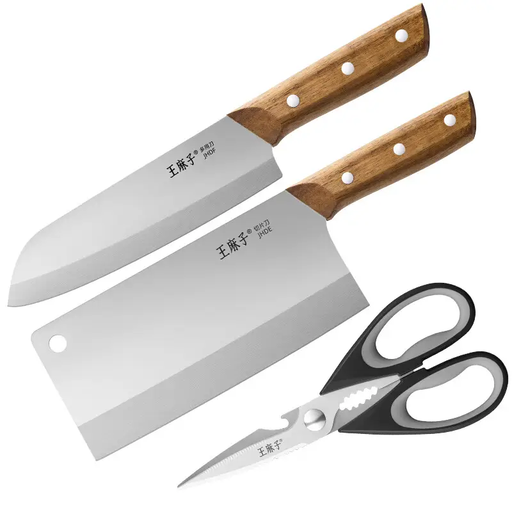
Why This Fits Their Persona: Ideal for anyone looking for a functional starter kit for daily kitchen tasks. This set covers the most important jobs with a meat and multi-purpose knife, a carving knife, and shears.
Instead of an overstuffed block, this set focuses on three versatile, forged tools that are actually used in daily life.
Forged blades made of high-quality stainless steel for durability and sharpness; ergonomic wooden handles for a comfortable grip.
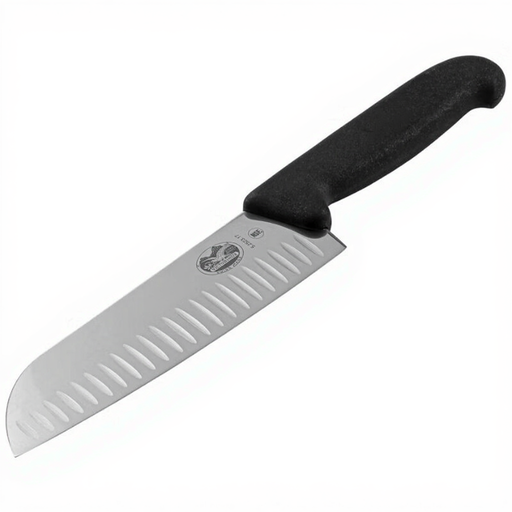
Why This Fits Their Persona: Perfect for home chefs who want to achieve precise cutting results. The Santoku is a versatile tool for vegetables, fish, and meat that elevates the cooking experience.
This knife focuses on function rather than pure aesthetics. Its balance and non-slip handle represent thoughtful ergonomics that prevent fatigue.
The Granton edge creates air pockets that reduce food from sticking to the blade; the Fibrox handle is renowned for its non-slip properties.
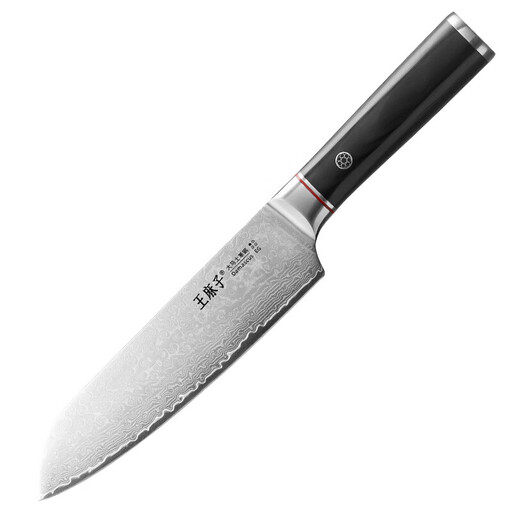
Why This Fits Their Persona: For users who value high-quality materials and a distinctive look. This knife combines the performance of a Santoku with the unique aesthetic of Damascus steel.
This is a knife whose blade features the characteristic structure of folded steel, not just a superficial etching.
The multi-layered steel construction allows for extremely high sharpness and edge retention. The striking pattern makes each knife one-of-a-kind.
We have compiled a complete, up-to-date list of products that fully meet these strict selection criteria and German safety regulations.
The frequency depends on usage and the quality of the blade steel. For daily household use, it's advisable to maintain the edge every few weeks with a honing steel. A fundamental re-sharpening with a knife sharpener or whetstone is required every few months to once a year, depending on the steel's edge retention. A good indicator is when the knife no longer glides effortlessly through a tomato. The Wangmazi Knife Sharpener is suitable for this task.
A genuine Damascus knife often offers superior sharpness and edge retention due to its complex manufacturing process involving folded steel layers. The price reflects this craftsmanship. However, for most everyday cooking applications, a high-quality mono-steel (single type of steel) knife is perfectly sufficient. Choosing a Damascus knife is often a decision for aesthetics and peak performance, but not a necessity for good cooking results.
Your preferred cutting technique provides the answer. If you enjoy cutting with a rocking motion and mincing herbs, the classic chef's knife with its curved blade is a great choice. If you prefer push or pull cuts and need to precisely slice a lot of vegetables, you will appreciate the characteristics of a Santoku knife. Many chefs own both types as their strengths are complementary.