
Lieferung heute & morgen

Qualitätsgarantie

Willkommens-Angebote freischalten: KOSTENLOSE Lieferung | Bis zu 80 % RABATT | Kostenlose 30-Tage-JoyPlus-Testphase
App herunterladen
A good chef's knife is the foundation of any kitchen. But the market is full of exaggerated advertising claims and technical terms that confuse more than they help. Many home cooks invest in expensive knives that don't meet their needs or lose their performance after a short time. This guide will help you identify the crucial features and avoid common purchasing pitfalls, so you can find a durable and functional kitchen knife.
Before diving into blade steels and handle materials, it's important to know the most common traps that often lead to poor purchasing decisions.
To make an informed decision, you should focus on three objective criteria that determine a knife's performance and longevity.
The choice of steel is a fundamental decision between ease of maintenance and potential sharpness.
The shape of the blade determines which cutting technique the knife is best suited for.
A feature often associated with a professional chef's knife is the full tang. This means the steel of the blade extends through the entire handle. This construction provides superior stability, durability, and a balanced weight distribution between the blade and handle, enabling fatigue-free and safe work.
Instead of making a one-size-fits-all recommendation, we have selected products tailored to specific needs and use cases.
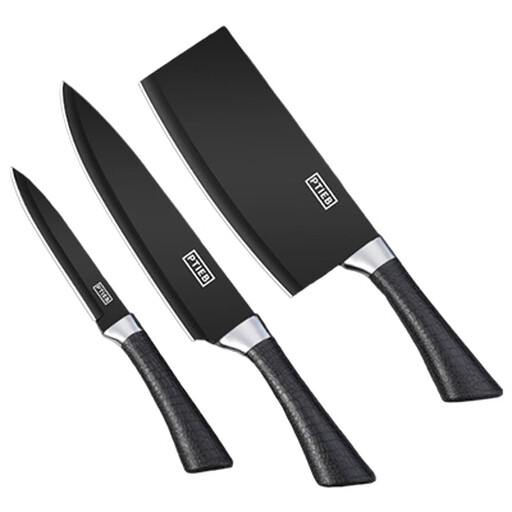
Why This Fits Their Persona: Ideal for anyone looking for a solid starter set for daily use without a large investment. This set covers the most essential cutting tasks in the kitchen.
This knife set avoids exaggerated promises. It offers functional and honest performance for everyday tasks, bypassing the trap of expensive but unnecessary "pro" materials.
Provides a complete starter kit with a chef's, slicing, and paring knife. The stainless steel blades are low-maintenance and well-suited for beginners.
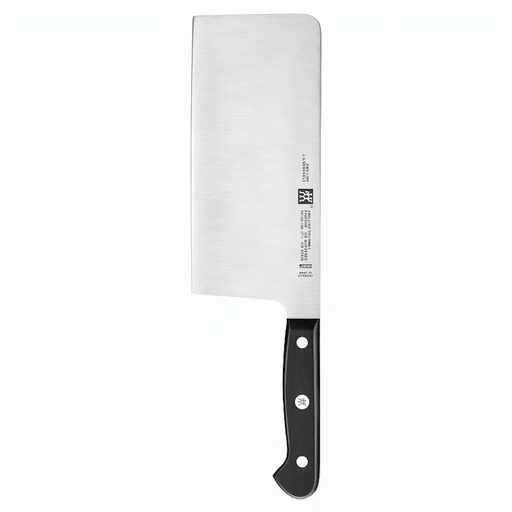
Why This Fits Their Persona: For cooks who value quality, durability, and precise performance. This knife combines German craftsmanship with the versatility of a Chinese blade shape.
This Zwilling chef's knife relies on a balanced construction and an ergonomic handle to avoid the pitfall of poor balance. Its performance is based on the proven FRIODUR blade, not on vague marketing terms.
The ice-hardened blade made of special formula stainless steel offers high corrosion resistance and edge retention. Made in Germany, it stands for reliable quality.

Why This Fits Their Persona: Perfect for cooks who need a robust tool for demanding tasks, such as breaking down large quantities of vegetables or chopping meat and smaller bones.
This knife is a specialized cleaver, not an all-rounder. Its value lies in its robust, forged construction and full tang, which provide stability for heavy-duty work—precisely where lighter knives would fail.
The wear-resistant steel blade is designed for high stress. The full-tang construction ensures excellent balance and control during powerful cuts.
We have compiled a complete, up-to-date list of products that fully meet these strict selection criteria and German safety regulations.
The frequency depends heavily on usage, blade steel, and the cutting surface. As a rule of thumb, a knife should be honed with a honing steel before or after each intensive use to maintain the fine edge. A proper sharpening with a whetstone or a professional service is only necessary every few months to once a year, depending on how often and what you cut.
For beginners, a knife set can be a cost-effective way to get a basic collection. It usually includes the most essential types of knives. Advanced cooks often prefer to buy individual, specialized knives to tailor their collection to their specific cooking habits. A high-quality chef's knife is often a better investment than a mediocre set.
The main difference lies in the blade shape and the associated cutting technique. The European chef's knife has a curved blade, which is suitable for a "rocking chop." The Japanese Santoku knife has a straighter edge and a sheepsfoot tip. It is ideal for quick, straight chopping and slicing motions from top to bottom. The choice depends on personal preference and preferred cutting techniques.