
Lieferung heute & morgen

Qualitätsgarantie

Willkommens-Angebote freischalten: KOSTENLOSE Lieferung | Bis zu 80 % RABATT | Kostenlose 30-Tage-JoyPlus-Testphase
App herunterladen
A good chef's knife is the cornerstone of any kitchen. Yet, the market is cluttered and full of marketing promises that often do more to obscure than to clarify. The wrong choice not only leads to frustration when cutting but also to wasted money. As your Joybuy Product Recommendation Officer, I'll help you identify the key features and avoid common purchasing traps.
Before we dive into the important features, let's clear up the most common misconceptions that often lead to a poor purchase.
To make an informed decision, focus on three objective criteria that determine the performance and longevity of a chef's knife.
The quality of the steel is the most important factor for edge retention—that is, how long a knife stays sharp. Hardness is measured in Rockwell (HRC).
Look for specific steel designations. Manufacturers like Zwilling, for example, use a special ice-hardening process for their FRIODUR blades to improve corrosion resistance and edge retention.
The shape of the blade determines which tasks the knife is best suited for.
The tang is the extension of the blade into the handle and is crucial for balance and stability. A full tang, where the steel runs through the entire handle, is a hallmark of a high-quality knife. It ensures excellent weight distribution and durability.
The handle material should be non-slip and hygienic. Modern plastics, composite materials, or treated wood (like Pakkawood) offer a secure grip, even with wet hands.
Here are some models that represent a considered choice for specific user profiles based on their objective features.
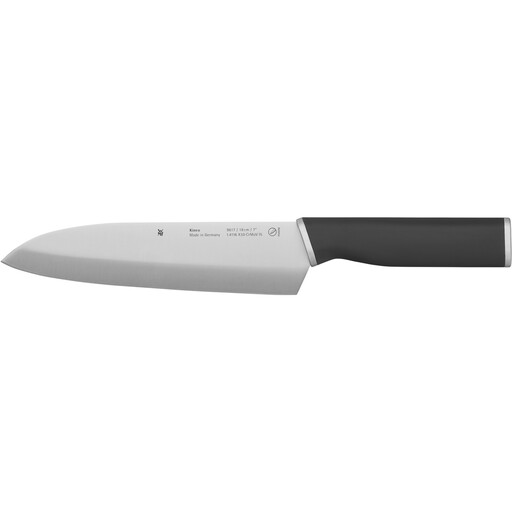
Why it's a great fit: Ideal for home cooks looking for a versatile, German-made knife with a modern aesthetic. The Santoku shape is equally suited for vegetables, fish, and meat.
Instead of vague promises, WMF offers a concrete claim about its sharpness with its "Performance Cut Technology." The specially hardened blade steel (55-58 HRC) provides a reliable material foundation.
The combination of a kinetic design for good balance and the manufacturer-specific sharpening technology ensures long-lasting cutting enjoyment.
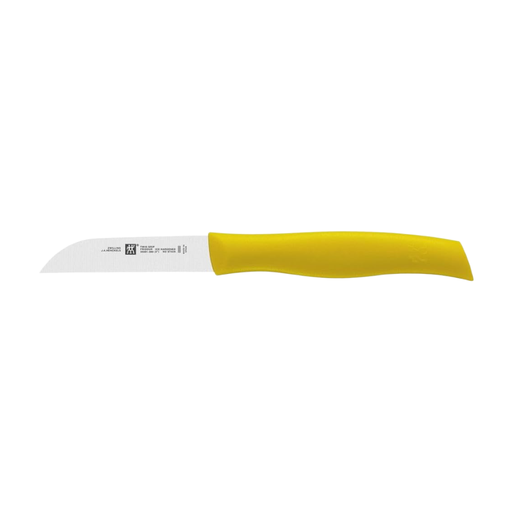
Why it's a great fit: A specialist for all delicate tasks. Perfect for peeling fruits and vegetables, cleaning mushrooms, or garnishing. An indispensable tool for detail work.
This knife avoids the "one-knife-fits-all" trap. It focuses on specialisation and backs up its quality with FRIODUR ice-hardening—a specific, verifiable technology.
The ice-hardened blade offers high corrosion resistance and edge retention. The non-slip synthetic handle ensures secure control during precise cuts.
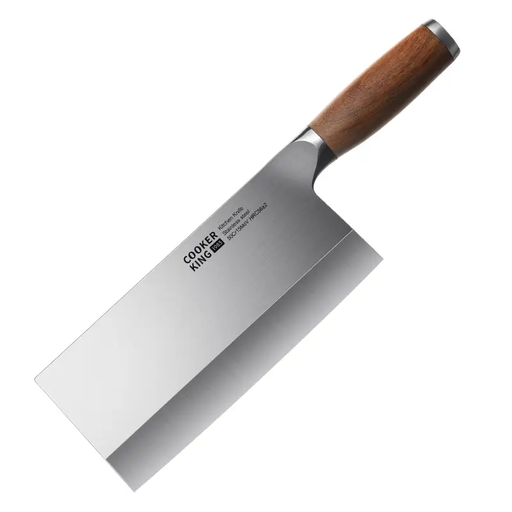
Why it's a great fit: For users who need a robust tool for chopping large quantities of vegetables or meat and appreciate the shape of a Chinese chef's knife.
It avoids the trap of vague material specs by naming the specific steel (7Cr17MoV) and hardness rating (58±2 HRC). The full tang construction is a clear indicator of stability and durability.
The high-carbon steel ensures excellent edge retention, while the solid construction provides the necessary power for demanding cutting tasks.
Especially for precise cutting of fruits and vegetables, a specialised knife is often the better choice. We have compiled a selection of products that meet these requirements.
The main difference lies in the blade shape and cutting technique. The European chef's knife has a curved blade, which is ideal for a rocking cut where the tip of the knife stays on the cutting board. The Santoku knife has a straighter cutting edge and a wider blade, making it perfect for chopping and slicing motions. It is often lighter and more agile.
Proper care is crucial for longevity. Clean your knife by hand with warm water and mild dish soap immediately after use, and dry it right away. High-quality chef's knives, especially those with high-carbon steel or wooden handles, do not belong in the dishwasher. Harsh detergents and high temperatures can damage the blade and handle. Sharpen your knife regularly with a honing steel or a whetstone to maintain its edge.
There is no single "right" steel, but there are suitable types. For good everyday performance, stainless steels with a hardness of 55-58 HRC, like those found in many WMF chef's knives or Zwilling chef's knives, are a solid choice. Steels like 7Cr17MoV or the stainless steel used by Victorinox knives also offer reliable performance for home use. More important than an exotic name is transparent information from the manufacturer about the hardness rating and steel composition.