
Lieferung heute & morgen

Qualitätsgarantie

Willkommens-Angebote freischalten: KOSTENLOSE Lieferung | Bis zu 80 % RABATT | Kostenlose 30-Tage-JoyPlus-Testphase
App herunterladen
A good chef's knife is the most essential tool in any kitchen. However, the market is overwhelming and filled with marketing promises that often confuse more than they help. An uninformed decision frequently leads to a knife that dulls quickly, has poor ergonomics, or is unsuitable for your personal cooking style. As your Joybuy Product Recommendation Officer, I'll help you identify the crucial features and avoid common purchasing pitfalls.
Before we dive into the important characteristics, let's clear up the most widespread misconceptions that lead to expensive mistakes.
To make an informed decision, you should examine three technical aspects that directly influence a knife's performance and longevity.
The steel is the heart of every knife. For a durable and sharp kitchen knife, two factors are critical:
The shape of the blade determines its primary use.
Balance is equally important. A well-balanced knife should have its centre of gravity near the transition from the blade to the handle.
The handle determines safety and comfort. A professional chef's knife is distinguished by an ergonomic handle that provides a secure grip, even during extended use.
Here are some recommendations tailored to different needs and working styles.
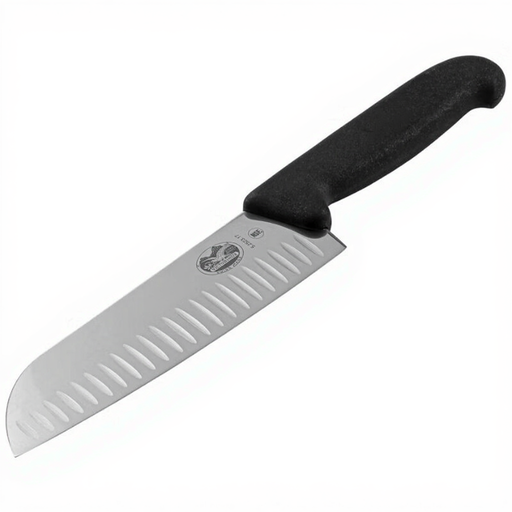
Why this knife is a great fit: Ideal for home cooks seeking a reliable, low-maintenance, and versatile tool for daily use. The Santoku shape is suitable for a wide range of cutting tasks.
This knife focuses on functional performance rather than marketing hype. The proven Victorinox steel and ergonomic Fibrox handle offer high practicality without superfluous features.
The non-slip, ergonomic handle ensures high safety and fatigue-free work. The Granton edge reduces food from sticking to the blade.
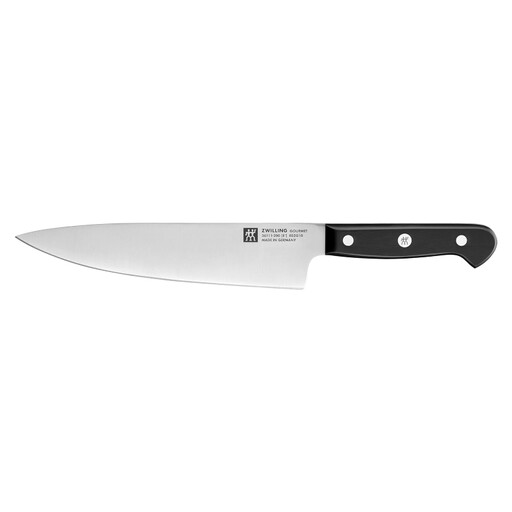
Why this knife is a great fit: For ambitious home cooks who want to invest in a durable, perfectly balanced tool made in Germany. A classic Solingen chef's knife for all common cutting tasks.
It doesn't rely on vague promises but on verifiable quality. The FRIODUR blade is ice-hardened, a specific process that enhances hardness and corrosion resistance.
The ice-hardened blade, made from a special formula steel, offers superior edge retention and corrosion resistance. The classic three-rivet design ensures stability and longevity.

Why this knife is a great fit: Perfect for cooks who process a lot of vegetables and herbs and appreciate the efficiency of a Chinese chef's knife. The wide blade makes it easy to chop and transport ingredients.
It's a specialised tool that doesn't try to be everything. It avoids the "jack-of-all-trades" trap by offering a clear blade shape optimised for vertical chopping techniques.
The wide blade surface (8 cm) is ideal for crushing garlic and scooping ingredients directly into the pan. The seamlessly riveted handle ensures hygiene and durability.
We have compiled a complete, up-to-date list of products that fully meet these strict selection criteria and German safety regulations.
1. How often does a good chef's knife need to be sharpened? The frequency depends on usage and blade quality. With daily use in a home kitchen, it's advisable to maintain the knife every few weeks with a honing steel to realign the edge. A full resharpening on a whetstone is required every 6 to 12 months, depending on the blade's condition.
2. Is a chef's knife from Solingen really better? The name "Solingen" is a protected designation of origin tied to strict quality standards for cutlery. Knives from Solingen, such as those from Zwilling, represent a long tradition of steel processing and manufacturing excellence. This is often an indicator of high material and craftsmanship standards, but the individual characteristics of the knife remain crucial.
3. What is the difference between a chef's knife and a Santoku knife? The main difference lies in the blade shape and the associated cutting technique. The European chef's knife has a curved edge for rocking cuts. The Santoku knife has a straighter edge and a tip that curves down, making it ideal for precise push and pull cuts. It is often slightly shorter and lighter than a comparable chef's knife.