
Lieferung heute & morgen

Qualitätsgarantie

Willkommens-Angebote freischalten: KOSTENLOSE Lieferung | Bis zu 80 % RABATT | Kostenlose 30-Tage-JoyPlus-Testphase
App herunterladen
A high-quality chef's knife is the most essential tool in any kitchen. However, the market is flooded with marketing promises that often create more confusion than clarity. Many home cooks invest in knives that quickly become dull, feel unbalanced in the hand, or are simply unsuitable for their needs. Before you make a decision, it's crucial to understand the most common pitfalls that can lead to a poor purchase.
The 2 Most Common Traps When Buying a Knife:
To find a durable and functional knife, you should focus on objective criteria that are tailored to your cooking style.
The choice of steel is fundamental and determines sharpness, edge retention, and maintenance requirements.
Another key feature is the manufacturing process: A forged knife is shaped from a single piece of steel and usually features a bolster (the thick junction between the blade and handle), which provides better balance. Stamped knives are cut from a sheet of steel and are often lighter.
The shape of the blade defines the knife's primary purpose.
Instead of making a one-size-fits-all recommendation, we have selected models that match specific needs and user profiles.

Why This Fits Their Persona: Ideal for cooks who want a versatile, robust tool with a professional feel. The combination of German engineering and an Asian blade shape offers precision and efficiency for daily, intensive use.
It relies on a balanced special blade steel rather than extreme hardness ratings. The seamlessly riveted handle directly addresses the hygiene and durability issues common in poorly constructed knives.
Seamless construction for high standards of hygiene and durability. The wide blade (8 cm) is perfect for slicing and then scooping up the ingredients.
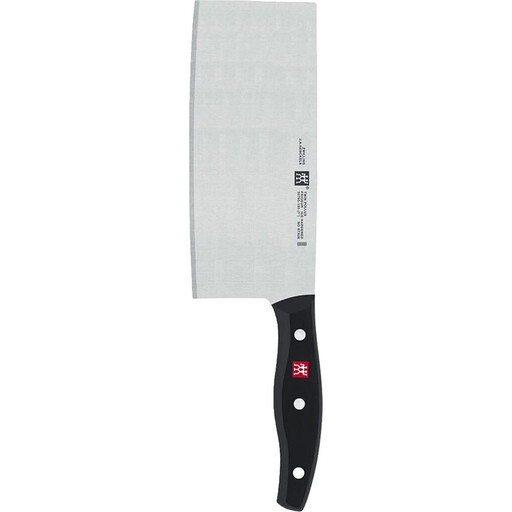
Why This Fits Their Persona: Perfect for anyone specifically looking for a Chinese chef's knife to learn Asian cooking techniques. It offers the quality of an established brand at an accessible price point.
With a hardness of 55-58 HRC, it offers a great balance of sharpness and durability, avoiding the trap of an overly brittle blade. The classic three-rivet handle ensures proven ergonomics and control.
The FRIODUR ice-hardened blade, according to the manufacturer, ensures good edge retention and corrosion resistance. The wide blade shape is ideal for preparing vegetables.
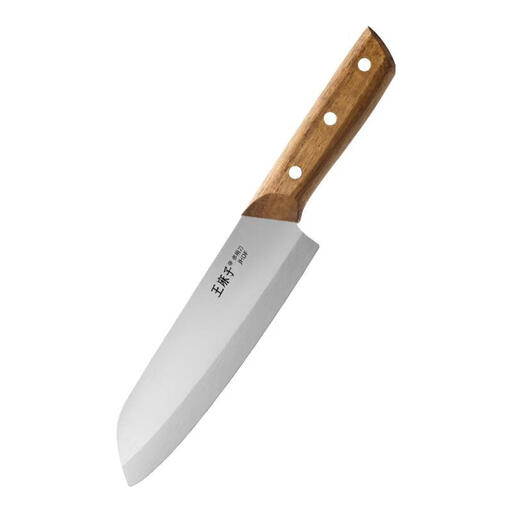
Why This Fits Their Persona: A classic Santoku knife is the epitome of versatility. This model is designed for daily use, combining a functional blade with a low-maintenance build—ideal for anyone who wants a reliable, no-frills tool.
It avoids exaggerated material claims and relies on proven 400-series stainless steel. This material is rust-resistant and easy to maintain, sidestepping the trap of highly specialized, high-maintenance steels.
Universal Santoku shape for a wide variety of cutting tasks. The acacia wood handle provides a comfortable feel and a classic look.
We have compiled a complete, up-to-date list of products that fully meet these strict selection criteria and German safety regulations.
The frequency depends heavily on usage and the blade steel. For daily household use, it is recommended to realign the blade's edge weekly with a honing steel. A full resharpening on a whetstone is necessary approximately every 6 to 12 months, depending on the steel's hardness and how it's used. Softer stainless steel tends to require sharpening more often than hard carbon steel.
Not necessarily. A forged knife often offers better balance and a finger guard due to its bolster (the thick part between the blade and handle), which many cooks find advantageous. They are considered very durable. However, modern, high-quality stamped knives, which are precisely laser-cut from steel plates, can have excellent sharpness and quality and are typically lighter. The choice is ultimately a matter of personal preference regarding weight, balance, and handling.
This is strongly discouraged. The aggressive salts in dishwasher detergent, high temperatures, and potential contact with other dishes can damage the fine cutting edge and make it dull. Furthermore, wooden handles can swell and plastic handles can become brittle. The gentlest and safest method is to clean it by hand with warm water, a mild detergent, and a soft cloth immediately after use.