
Lieferung heute & morgen

Qualitätsgarantie

Willkommens-Angebote freischalten: KOSTENLOSE Lieferung | Bis zu 80 % RABATT | Kostenlose 30-Tage-JoyPlus-Testphase
App herunterladen
A chemical peel can be a powerful tool for skin renewal. It promises to brighten the complexion, reduce blemishes, and refine skin texture. However, the market is saturated with products whose marketing promises often create more confusion than clarity. Many users invest in a peeling serum or mask, only to find it doesn't suit their skin type or, in the worst case, causes irritation.
As your Joybuy Product Recommendation Officer, I'll help you understand the crucial factors. We'll highlight the most common pitfalls and show you what to look for to find a product that truly meets your skin's needs.
Before you make a decision, it's important to be aware of the common misconceptions that often lead to the wrong product choice.
To find the right at-home chemical peel, you should check three technical aspects. These determine whether a product is suitable for you.
Choosing the active ingredient is the most important decision. Each acid type has specific properties and is suited for different skin needs.
The concentration (e.g., "8% Glycolic Acid") tells you how much acid is in the product. However, the pH level indicates how acidic the formula is and how actively the acid can work. A product with 10% acid at a pH of 5 is less effective than a product with 5% acid at a pH of 3.5. Look for formulations designed for at-home use that are within an effective yet safe pH range (typically between 3 and 4).
Consider how a peel will fit into your existing routine.
Here are some product recommendations tailored to different needs and experience levels.
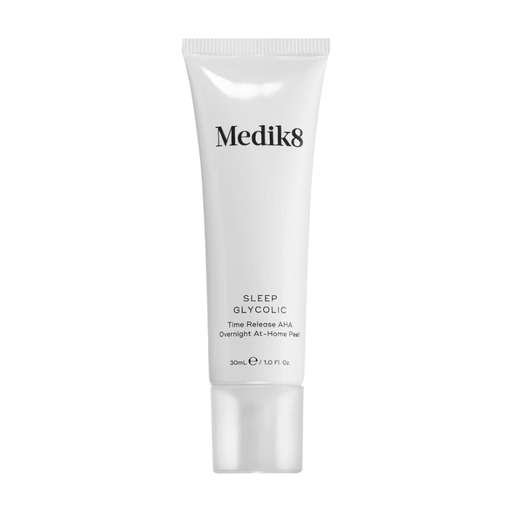
Why This Fits Their Persona: Perfect for users who want visible skin renewal and smoothing of fine lines but wish to avoid the harshness of a high-concentration instant treatment.
This product debunks the "more percentage is more effective" myth through smart technology. Instead of flooding the skin with acid, the glycolic acid is time-released, which minimises irritation.
The time-release delivery of glycolic acid allows for effective overnight exfoliation with a lower potential for irritation. It is designed as a leave-on treatment for twice-weekly use.
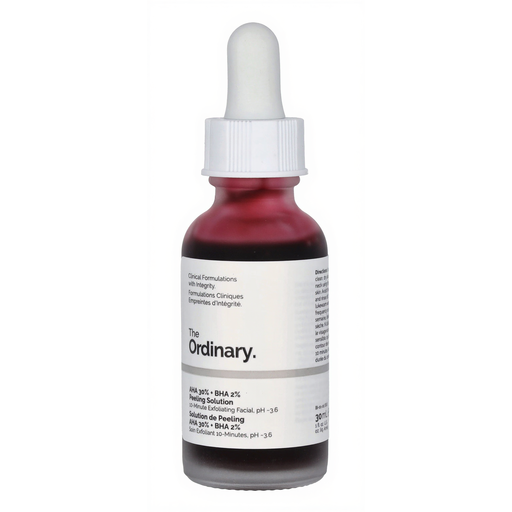
Why This Fits Their Persona: For experienced users seeking an intensive, weekly treatment to powerfully resurface the skin and deeply cleanse pores. Not suitable for beginners or sensitive skin.
This product avoids the trap of incorrect application. It is clearly declared as a high-potency 10-minute mask, not a daily serum. The instructions for short contact time and limited frequency are crucial.
A high-concentration blend of AHA (glycolic, lactic, tartaric acid) and BHA (salicylic acid) for multi-level exfoliation. Offers an intensive treatment at an accessible price point.
We have compiled a complete, up-to-date list of products that fully meet these strict selection criteria and all current safety regulations.
1. How often should you use an at-home chemical peel? The frequency heavily depends on the product and your skin's tolerance. Mild, low-concentration leave-on serums can often be used daily or every other day. High-concentration masks should not be used more than once or twice a week. Always read the manufacturer's instructions and start with less frequent application to observe your skin's reaction.
2. Do I need to use sunscreen after a fruit acid peel? Yes, absolutely. Alpha-hydroxy acids (AHAs) and BHAs can increase your skin's sensitivity to the sun. Applying a broad-spectrum sunscreen with at least SPF 30 is essential on any day following the use of a peel to protect the freshly exfoliated skin from UV damage and the formation of new dark spots.
3. What is the difference between a chemical and a physical exfoliant? A physical exfoliant (scrub) removes dead skin cells through friction, for example, with sugar crystals or jojoba beads. A chemical peel uses acids (like glycolic or salicylic acid) to dissolve the bonds between cells, resulting in a more even and often deeper exfoliation without mechanical irritation.