What should you look for when buying?
Keep using your existing freezer compartment
A good fit if: it can hold your planned banana portions and other supplies, and you only freeze food occasionally.
The trade-off: you won’t need extra floor space or another appliance running all the time, but space may be tight if you want to freeze several portions at once.
Compact chest freezer
A good fit if: you regularly need room for a few extra portions, but don’t store large quantities.
The trade-off: check that the capacity and interior layout work for your containers and the amount you freeze at once; even a small appliance uses electricity.
Larger chest freezer
A good fit if: you regularly prepare larger quantities and store other frozen food as well.
The trade-off: more storage space requires more floor space. Choose a size to suit your needs and compare the annual energy consumption figures for specific models.
First, decide whether your existing freezer compartment is big enough. If you’re considering an extra chest freezer, weigh up batch size, energy consumption and available space together.
| What matters to you |
What to look for when buying |
Who should pay particular attention? |
| Organising portions |
Check there’s room for labelled containers and that the baskets are easy to reach. |
If you cook at different times, you’ll want to find the right banana portions easily and take them out individually. Around 33% of consumers put portion organisation first. |
| Batch size |
Compare the quantity you plan to freeze at once with the usable capacity and freezing capacity in kg/24 h. |
If you freeze several fresh portions on a preparation day, you’ll need enough room and freezing capacity for that quantity. Around 27% of consumers say batch size is their top buying priority. |
| Energy consumption |
For appliances of a suitable size, compare the annual energy consumption in kWh/year on the energy label. |
If the chest freezer will be running between shared cooking days, you’ll want to keep its additional energy use down. Around 20% of consumers look at energy consumption first. |
| Available space |
Measure the appliance, the route for moving it into place and the space needed to open the lid. If the room is cold, check the permitted ambient temperature. |
If space is limited or the room is unheated, the appliance needs to fit and be suitable for the conditions. Around 20% of consumers make available space their top buying priority. |
Chest freezers at Joybuy
This selection at Joybuy includes compact chest freezers for extra space, as well as larger models for bigger batches and more supplies.
 No image available
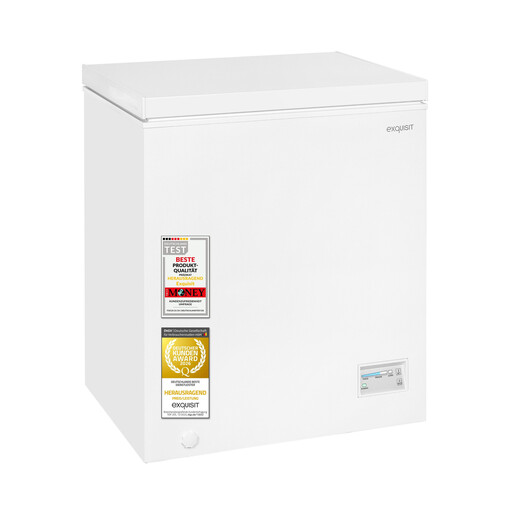
Exquisit chest freezer, 142 l, 4-star rating
Extra space for portions prepared together; compare the usable capacity and freezing performance with the batch size you have in mind.
142 l; 4-star rating; electronic temperature control with LED display; fast-freeze function; manual defrosting with defrost water drain.
View at Joybuy
 No image available
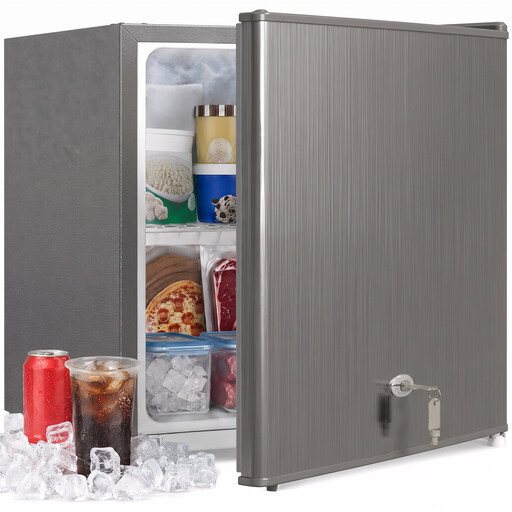
Mini chest freezer, 35 l, 161 W
For a tight space, if 35 l is enough for your extra portions; remember to measure the route for moving it into place, too.
35 l; 161 W; external dimensions 47 × 44,2 × 48,8 cm; freestanding; removable inner compartment.
View at Joybuy
 No image available
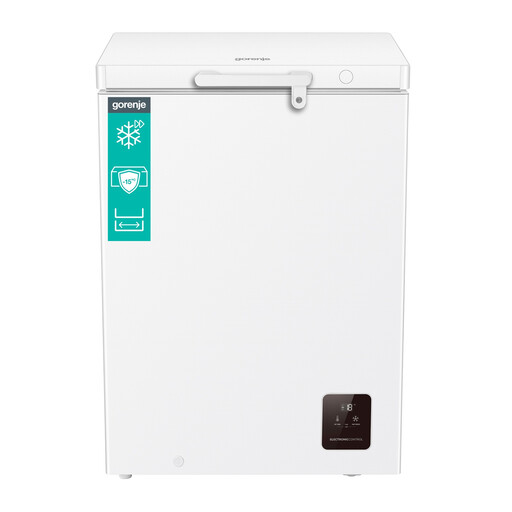
Gorenje FH15E6W5 chest freezer, 141 l
The flexible baskets listed may be useful for organising portions. If you plan to keep the appliance in a cool room, compare the ambient temperature with the model specifications.
141 l; FastFreeze; FreezeProtect down to −15 °C according to the product details; flexible baskets; defrosting required if ice builds up.
View at Joybuy
 No image available
TCL CF182EWE0 chest freezer, 140 l, energy class E
If you want smaller supplies to be easy to access separately, the listed storage basket is a useful feature. Also check the external dimensions against the space you have available.
140 l; energy class E; storage basket; counterbalanced lid; adjustable temperature control.
View at Joybuy
 No image available
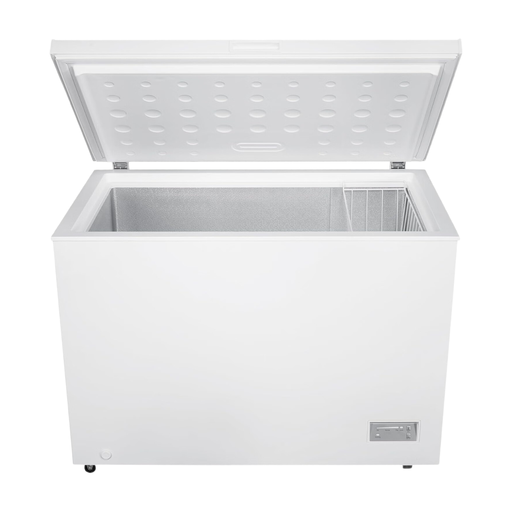
Beko CF316EWN chest freezer, 308 l, energy class E
For larger batches prepared together and extra supplies; check beforehand that you have enough floor space for this larger appliance.
308 l; energy class E; one basket; temperature alarm; castors; manual defrosting according to the product details.
View at Joybuy
Frequently asked questions
How should you prepare banana slices for different cooking days?
Freeze the slices in portions and label the containers with the contents, quantity and date. The Federal Centre for Nutrition describes using thinly sliced bananas frozen overnight to make nice cream; freezing the slices separately first can make it easier to take them out individually later.
What temperature should a chest freezer be set to?
The Verbraucherzentrale gives −18 °C as the optimum temperature for a freezer or chest freezer. Check the temperature setting on the appliance; a cooling function is not the same as a freezer setting.
How do you choose the right size for your portions?
Base your choice on the quantity you freeze at once and the other supplies you store. Compare the usable capacity with the freezing capacity in kg/24 h, and check that your containers will fit inside.
What should you check before positioning and defrosting the appliance?
Measure the route for moving it into place and the available space at its final location. The required clearances and permitted ambient temperatures vary by model. Features that reduce ice build-up don’t automatically mean automatic defrosting: the Haier HCE200C is listed as requiring manual defrosting.
How do you compare the energy consumption of different chest freezers?
For appliances of a suitable size, compare the annual energy consumption in kWh/year shown on the energy label. The Verbraucherzentrale notes that energy use at home can differ from standardised test conditions; when estimating your running costs, take your electricity tariff into account.


