Preparing larger batches
If you blanch a large quantity of carrots on a set day, you’ll need enough space and freezing capacity for the fresh batch. The Federal Centre for Nutrition recognises freezing seasonal foods as a way to build up supplies.


An additional chest freezer isn’t automatically worthwhile. If your existing freezer has enough room for the occasional small batch of carrots, you can keep using it. If you regularly prepare larger batches, first compare their fresh weight with the freezing capacity in kg/24 h, then check whether the usable capacity can hold your portioned-up supplies. Floor space, baskets and kWh/year all affect how practical it is for everyday use. The Federal Centre for Nutrition recommends labelling measured portions with their contents, quantity and date.
If you blanch a large quantity of carrots on a set day, you’ll need enough space and freezing capacity for the fresh batch. The Federal Centre for Nutrition recognises freezing seasonal foods as a way to build up supplies.
If you cook ahead for different days, you can measure out the quantities you need and label the packs with their contents, quantity and date. According to the Federal Centre for Nutrition, this makes it easier to keep track of your supplies and take out what you need later.
If you’re considering an additional appliance, first check whether your existing freezer has enough room and where you could put a chest freezer, including space to open the lid. The consumer advice centre and the Bavarian State Ministry for Food, Agriculture, Forestry and Tourism highlight the need to weigh up appliance size against your needs.
First check whether your existing freezer has enough room for your planned preparation days. If you need an additional appliance, compare your largest fresh batch with its freezing capacity, and your total supply with its usable capacity.
| What matters | What to check when buying | Who is this especially important for? |
|---|---|---|
| Freezing a large batch in one day | Compare the fresh weight of your largest batch with the freezing capacity in kg/24 h, and allow for the space needed by supplies already in the freezer. | If we blanch lots of carrots on a set preparation day, the fresh batch needs to be within the freezer’s capacity. Around 33 % of consumers therefore put freezing capacity for their daily batch first. |
| Finding portions again | Check whether the baskets and interior suit the number and shape of the freezer containers you use. | When cooking for different days, we want to be able to identify measured portions quickly. Around 27 % of consumers prioritise being able to access separate portions easily. |
| Floor space and an additional appliance | Check the available freezer space, external dimensions and room to open the lid. | If we only freeze small quantities now and then, we don’t want to make room for an additional appliance if our existing freezer has enough space. Around 20 % of consumers therefore put minimising the need for extra space first. |
| Comparing running costs | Once you’ve found a suitable usable capacity, compare the figures in kWh/year. | If we have enough storage space, we also want to take ongoing electricity consumption into account when comparing models. Around 20 % of consumers make the stated annual consumption their main consideration. |
Usable capacity and freezing capacity describe different things: usable capacity tells you how much you can store, while freezing capacity is the stated amount the appliance can freeze within 24 hours.
Compare the fresh weight of your largest daily batch separately with the model’s stated capacity in kg/24 h, and also allow for the space needed by supplies already in the freezer.
LowFrost and similar terms don’t mean that an appliance defrosts automatically. The Bavarian State Ministry says that chest freezers with reduced ice build-up still need to be defrosted, although you may need to do so less often.
Check the care instructions for the specific model. If automatic defrosting is important to you, consider including freezers with this feature in your comparisons.
Allow time for occasional defrosting.
A frozen-together supply is harder to divide into suitable portions and identify for different cooking days.
Measure out the quantities you need before freezing, and label freezer-safe packs with their contents, quantity and date.
According to AEG, the AHB531D1LW is a chest freezer with a usable capacity of 308 l and a freezing capacity of 15 kg/24 h.
According to the manufacturer, the freestanding Beko HSM14550 has a usable capacity of 148 l.
Haier lists a usable capacity of 196 l and external dimensions of 915 × 555 × 845 mm for the HCE200C chest freezer.
Liebherr lists the CFc 1875 Plus with a total volume of 192 l, according to the manufacturer.
The selection below includes chest freezers with different usable capacities for storing extra supplies of carrots. Also make sure your largest daily batch is within the freezing capacity in kg/24 h of the model you choose.
 No image available
A larger chest freezer with a removable basket could suit you if you want to keep extra supplies of carrots organised.
291 l; switchable fridge and freezer modes; energy efficiency class E; digital temperature control; removable basket; defrost drain. Also check the freezing capacity in kg/24 h for your daily batch.
 No image available
This more compact chest freezer could suit you for storing extra portions, provided its usable capacity and freezing capacity meet your needs and are suitable for your largest batch.
141 l; FastFreeze; FreezeProtect down to −15 ℃; InverterCompressor; flexible baskets. Defrosting is required if ice builds up.
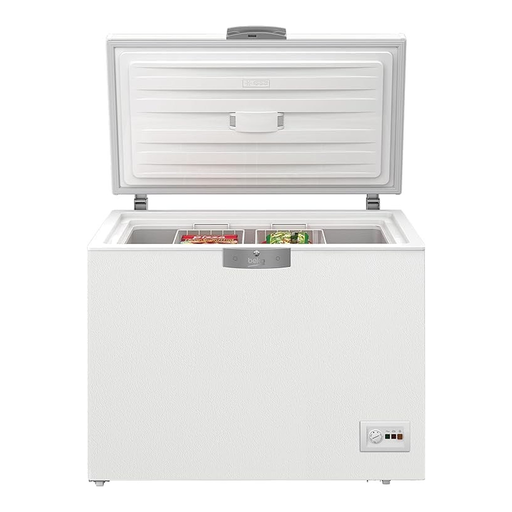 No image available
This chest freezer could work for storing separate supplies, provided its usable capacity suits the portions you have planned.
230 l usable capacity; two freezer baskets; temperature alarm; interior light. If you prepare larger fresh batches, check the freezing capacity in kg/24 h.
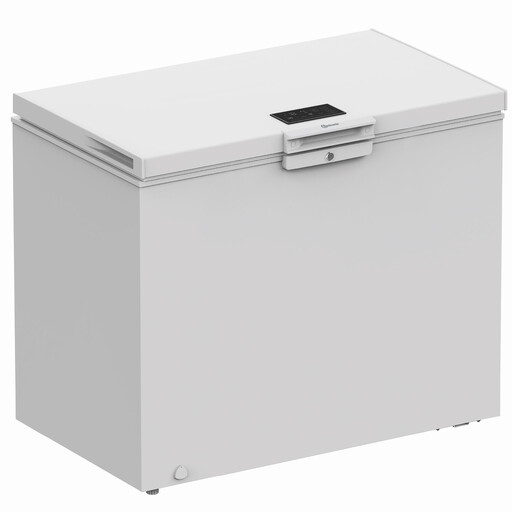 No image available
This chest freezer could be a good choice if you want to store extra supplies and compare its stated daily freezing capacity with your largest batch.
198 l; Multi Zone function; WinterProof down to −15 °C; touchscreen display. Defrosting is required if excessive ice builds up.
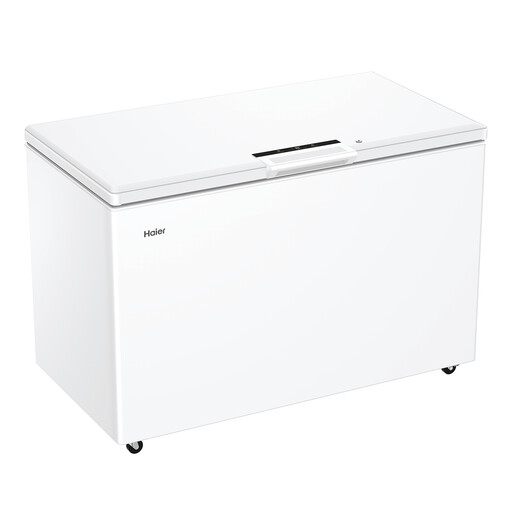 No image available
The large usable capacity could suit you if you have substantial supplies to store, provided you have enough floor space and its freezing capacity meets your needs.
418 l; energy efficiency class D; static cooling. For larger daily batches, also compare the model’s freezing capacity in kg/24 h.
Wash and chop the carrots as needed, blanch them briefly, then cool them in iced water. The Federal Centre for Nutrition recommends measuring out the quantities you’ll need later and labelling freezer-safe packs with their contents, quantity and date.
Compare the fresh weight of the batch with the specific model’s freezing capacity in kg/24 h, not just its usable capacity. For example, AEG lists 15 kg/24 h for the AHB531D1LW; this figure doesn’t automatically apply to other chest freezers.
Yes. A chest freezer with reduced ice build-up doesn’t automatically mean you’ll never need to defrost it. The Bavarian State Ministry says that defrosting is still necessary, although it may be needed less often. Always follow the care instructions for the specific model.
Compare the stated kWh/year for appliances with a usable capacity that suits your needs. This lets you take the stated annual consumption into account, rather than comparing differently sized models on consumption figures alone.
Take the old appliance to an authorised collection point, manufacturer or relevant retailer. The Federal Ministry for the Environment notes that take-back obligations may depend on certain conditions. For example, for large appliances, you may need to buy a new appliance of equivalent type.