
Lieferung heute & morgen

Qualitätsgarantie

Willkommens-Angebote freischalten: KOSTENLOSE Lieferung | Bis zu 80 % RABATT | Kostenlose 30-Tage-JoyPlus-Testphase
App herunterladen
A new chest of drawers is meant to create order, but the sheer number of options can quickly become overwhelming. It's a familiar story: you choose a model that looked promising online, only to find that after a few months, the drawers stick, the entire piece wobbles, or the surface is already scratched. Such experiences are not only frustrating but also a poor investment.
Before you make a decision, it's helpful to understand the most common pitfalls that often hide behind appealing product images.
To avoid a bad purchase, you should focus on a few crucial technical parameters. These features determine whether a drawer cabinet will perform its function reliably for years to come.
The foundation of any durable piece of storage furniture is its material.
wooden chest of drawers made from solid material can last a very long time with proper care but is often in a higher price range.The functionality of a chest of drawers lives and dies by its drawers.
modern sideboard or place a television on a sideboard in the living room.A stable base is essential.
Here are some recommendations tailored to different needs and living situations that meet the quality criteria mentioned above.
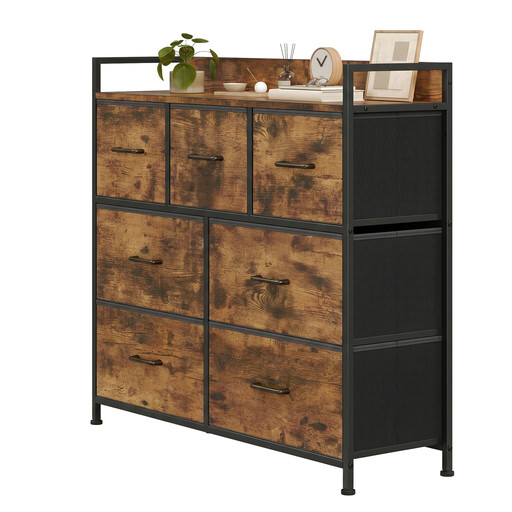
Why This Fits Their Persona: Ideal for anyone who needs ample storage on a tight budget and wants easy assembly. Perfect for a first apartment, a teen's room, or as a flexible storage solution in a dressing area. The combination of fabric drawers and a metal frame is lightweight yet sturdy.
This model actively counters instability with a solid steel frame, adjustable feet for a wobble-free stance, and an included anti-tip kit.
Seven separate drawers allow for detailed organisation. Assembly is straightforward thanks to clearly labelled parts and a simple instruction manual.
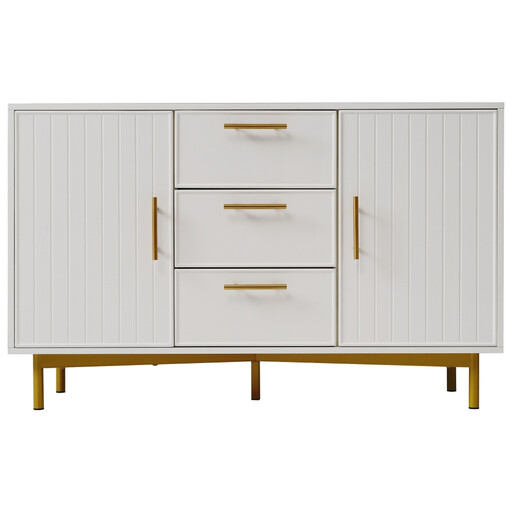
Why This Fits Their Persona: For those seeking a functional piece of furniture that is also a design statement. This `white chest of drawers` works perfectly as a `sideboard` in the `living room` or as an elegant `bedroom chest` with versatile storage.
The construction, featuring an adjustable central support leg, ensures stability and prevents the top surface from sagging. The material specifications are transparent: it is particleboard with a decorative and protective finish.
Offers a flexible mix of drawers and compartments with height-adjustable shelves. The fluted fronts and gold handles add modern accents.
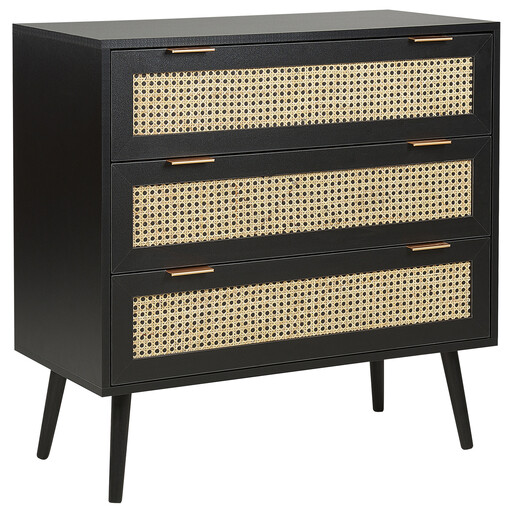
Why This Fits Their Persona: This `black chest of drawers` is ideal for anyone looking for a compact piece with character. It fits well in smaller bedrooms or hallways, combining practical storage with a striking design that features rattan elements and gold accents.
The integrated soft-close drawer system prevents sticking and slamming, a clear indicator of higher-quality hardware. The solid rubberwood legs provide a stable base.
The design with rattan fronts adds a special touch to any room. The floor-protective caps on the feet protect parquet and other sensitive flooring.
We've compiled a complete, up-to-date list of products that fully meet these strict selection criteria and safety requirements.
Most chests of drawers come with an anti-tip kit. This usually consists of one or two brackets or straps, screws, and wall anchors. Attach one part to the back of the chest (in a sturdy spot, often on the top frame) and the other part to the wall. Use wall anchors appropriate for your wall type (e.g., for drywall, concrete, or brick). This ensures the chest cannot tip over, for instance, if a child tries to climb on it.
Although the terms are often used interchangeably, there are traditional differences. A chest of drawers is typically a taller, narrower piece of furniture consisting almost exclusively of drawers, usually found in the bedroom. A sideboard or credenza is generally lower and wider. These pieces are often found in the living or dining room and combine drawers with doors that conceal shelves.
For cleaning melamine-coated or foil-wrapped surfaces, a soft, lint-free cloth lightly dampened with water is usually sufficient. Always wipe dry afterwards to prevent moisture from seeping into the edges. Avoid harsh cleaning agents, abrasive cleaners, or solvent-based products, as they can damage the surface.