Hosts keeping an eye on calories
You want a ready-to-serve snack for your Halloween party with fewer kcal per 100 g than the nut mixes compared here. The softer texture of chestnuts could suit you too.


If keeping the kcal per 100 g as low as possible is a priority for your Halloween party, ready-to-eat chestnuts are an alternative to classic nuts. ALDI SÜD lists 158 kcal per 100 g for its snack chestnuts, while the nut products compared here range from 631 to 737 kcal per 100 g according to REWE. Chestnuts are softer, though. If you want that classic nutty crunch, plan your portion and check the salt, ingredients and allergens in mixed varieties too.
You want a ready-to-serve snack for your Halloween party with fewer kcal per 100 g than the nut mixes compared here. The softer texture of chestnuts could suit you too.
A crunchy texture matters more to you than the lowest energy density. Even with a nut mix, you still want to know whether salt or other ingredients have been added.
You’re serving snacks to a group and need to check the ingredients list, allergen information and precautionary warnings on the actual packs before filling the bowls.
First decide whether fewer kcal per 100 g or the classic bite of nuts matters more to you. Then compare your planned serving size and check the salt, ingredients and allergens on each pack.
| Criterion | What to check | Who it matters most to |
|---|---|---|
| Energy and portion size | Compare the kcal per 100 g and decide how much to put in each snack bowl. REWE lists 657 kcal per 100 g and 197 kcal per 30 g for its plain nut kernel mix. | If my main aim is to limit energy density, I’m more likely to look for an alternative to a classic nut mix. This is the priority for around 36% of consumers. |
| Texture | Decide whether you’d rather serve soft chestnuts, plain nut kernels or roasted nuts. | For a bowl of nibbles, I don’t want to swap the firm bite of nuts for chestnuts. Around 29% of consumers prioritise this. |
| Salt and ingredients | Check the salt per 100 g and the ingredients list. The salted nut mix described by REWE contains 1 g of salt per 100 g and sunflower oil. | If a clear ingredient list matters more to me than strong seasoning, I pay particular attention to salt and added oil. This is the main concern for around 14% of consumers. |
| Allergens | Check the ingredients list and any precautionary allergen warnings on each individual pack before serving snacks in open bowls. | If guests need to avoid certain ingredients, I want to be able to match the pack information to each bowl. Around 21% of consumers put this first. |
A plain mix can still be high in energy: REWE lists 657 kcal per 100 g for its unsalted nut kernel mix.
Compare the kcal per 100 g and plan how much to put in the bowl. If energy density is a deciding factor, consider chestnuts as a snack in their own right.
A lower kcal figure doesn’t automatically mean less salt or a shorter ingredients list. REWE’s roasted salted nut mix contains 631 kcal and 1 g of salt per 100 g, as well as sunflower oil.
Check energy, salt and ingredients together, then decide which seasoning works for your snack bowl.
You can’t reliably tell different types of nuts or possible traces apart from an open bowl. The Verbraucherzentrale explains that allergens in packaged foods are highlighted in the ingredients list.
Keep the packaging, label the bowls clearly and avoid mixing their contents with alternatives served separately.
ALDI SÜD notes that its snack chestnuts may vary between suppliers; EDEKA warns that online information may differ from the packaging.
When you buy, check the nutritional information, ingredients and allergen details on the pack you’ll actually be serving.
Ready-to-eat chestnuts are a softer, nut-like option when energy density is your main concern.
The nut mixes described show how plain, roasted and salted varieties can differ.
Lidl describes Alesto as a range of plain nuts, dried fruit and seasoned party snacks.
The plain hazelnut kernels described show why it’s important to check the pack information even when you’re choosing a single type of nut.
The roasted cashews described are an option if you’re looking for nuts with no added salt.
These Joybuy products cover two options for your Halloween snack bowl: chestnuts as a softer alternative, and nut kernels for a classic bite. Before serving, compare the nutritional information and details on each individual pack.
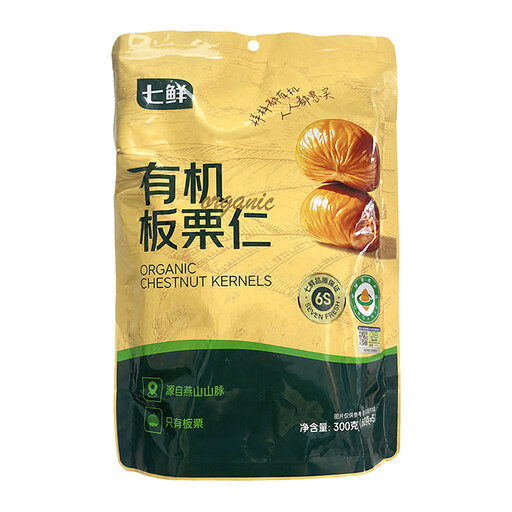 No image available
For a Halloween bowl with chestnuts instead of classic nuts. The pack contains 300 g; decide how much to serve and check the allergen information on the pack before offering them to guests.
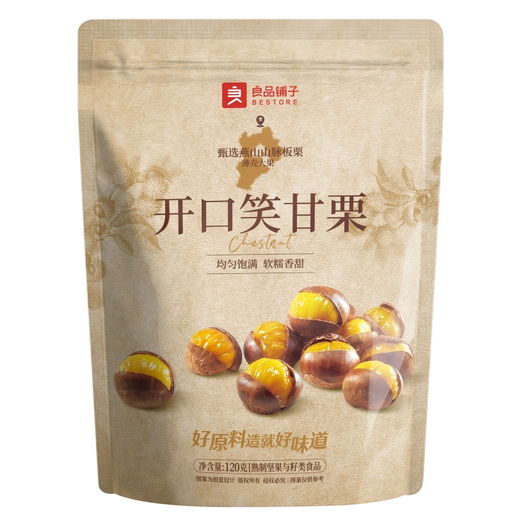 No image available
Another chestnut option if you don’t need classic nutty crunch for your party. The pack contains 120 g; check the nutritional information and allergen details on the specific pack.
 No image available
For a snack bowl of roasted nuts instead of soft chestnuts. The pack contains 150 g; unsalted doesn’t automatically mean fewer kcal. Check the allergen information and precautionary warnings too.
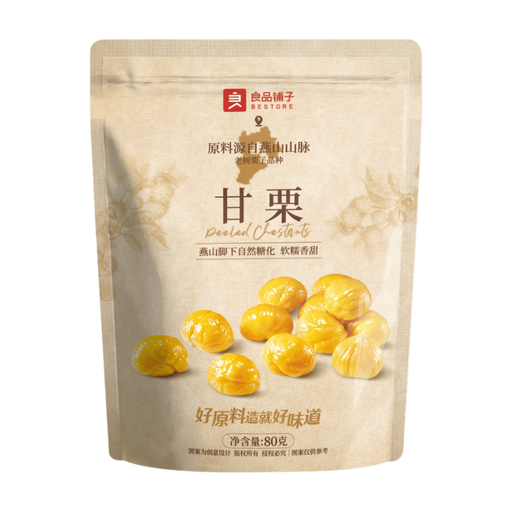 No image available
A smaller pack of chestnuts as an alternative to a nut mix. It contains 80 g; chestnuts don’t have the classic nutty bite. Check the pack for allergen information and precautionary warnings before serving.
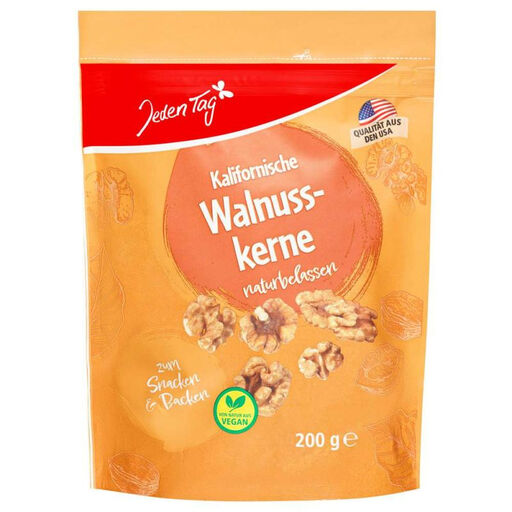 No image available
For a bowl of classic nut kernels if their bite matters more to you than the chestnut option. The pack contains 200 g; plan how much to serve and check the ingredients, allergen information and precautionary warnings.
Ready-to-eat chestnuts can contain fewer kcal per 100 g than classic nuts. ALDI SÜD lists 158 kcal per 100 g for its snack chestnuts; according to REWE, the nut products compared here range from 631 to 737 kcal per 100 g. Chestnuts are softer, though, and don’t offer the same nutty crunch.
No. The salt content alone doesn’t determine the kcal figure. REWE lists 651 and 657 kcal per 100 g for two unsalted nut mixes; its roasted, salted mix has 631 kcal per 100 g, but contains 1 g of salt per 100 g and sunflower oil.
For the nutrition claim ‘low energy’ on solid foods, EU Regulation (EC) No 1924/2006 sets a limit of no more than 40 kcal per 100 g. The chestnut and nut products mentioned here are above that limit. Giving a specific kcal figure or clearly stated comparison is a more accurate way to describe the difference.
Before serving, check the highlighted allergens in the ingredients list and any precautionary allergen warnings on every pack. Keep the packaging so you can match it to each bowl, label separate bowls and avoid mixing their contents. Don’t assume a product is suitable for individual guests based only on the words ‘nuts’ or ‘chestnuts’.