For serving from a large casserole dish
Check that the filled dish fits in the usable cooking space and is easy to take out for stirring. If the microwave has a turntable, the dish must also be able to rotate freely.


First, choose a microwave that can fit your casserole dish and its contents, and allow the dish to rotate freely if the microwave has a turntable. A solo microwave is enough for reheating; choose a grill or convection model if you’d also like a browned top. Whichever appliance you use, make sure the casserole is thoroughly heated throughout.
Check that the filled dish fits in the usable cooking space and is easy to take out for stirring. If the microwave has a turntable, the dish must also be able to rotate freely.
If you’d like the casserole to have a browned top as well as being heated through, look for a grill, convection or crisp function, depending on the model. These functions don’t replace checking the temperature inside.
If you’re happy to reheat the casserole in portions, you can prioritise the appliance’s size and features differently than if you want to heat the whole dish in one go.
A good choice if: you mainly want to reheat the casserole and your dish can rotate freely on the turntable.
Keep in mind: a dedicated browning function isn’t specified, and both the dish’s diameter and height need to fit.
A good choice if: your square casserole dish wouldn’t rotate freely on a turntable.
Keep in mind: even with a flat base, compare the internal dimensions with your dish and check that the food heats through evenly.
A good choice if: you’d like a browned top as well as reheated food.
Keep in mind: check which dishes are suitable for the grill, convection or crisp function. A browned top doesn’t tell you whether the food is hot enough inside.
For chicken casserole, the German Federal Institute for Risk Assessment recommends heating food to at least 70 °C for two minutes throughout. When using a microwave, stir the food partway through and check that it has heated evenly.
| Criteria | What to check | Who it matters most to |
|---|---|---|
| Heating through and checking | Check whether you can stir the casserole and measure its temperature in several places. | If I want to heat a casserole evenly for several people, I look for easy stirring and a way to check the temperature inside. Around 36% of consumers prioritise thorough heating. |
| Dish fit | Measure the dish’s length, width and height, including handles and lid; compare these with the cooking space and turntable. | If I want to serve everyone from the dish I already own, it needs to fit safely and, if there’s a turntable, move freely. Around 29% of consumers prioritise finding a dish that fits. |
| Browned top | Check the exact browning function and which dishes are suitable for it. | If I want a crispy top as well as thoroughly heated food, I compare the available grill, convection or crisp functions. Around 21% of consumers prioritise a browned top. |
| Space and features | Compare the external dimensions and installation guidance with the space available in your kitchen. Consider whether you’ll heat the whole dish or individual portions. | If space is limited and I want simple controls, I can consider reheating portions instead. Around 14% of consumers prioritise compact dimensions and straightforward features. |
The stated cooking capacity doesn’t tell you on its own whether your dish will fit. If there’s a turntable, the dish must be able to rotate freely.
Measure the dish, including its handles, and compare the dimensions with the interior, height and, where applicable, turntable diameter. Heating the casserole in batches may be an alternative.
If your current dish doesn’t fit, you may need to use a different dish or reheat the casserole in portions.
Grill and crisp functions brown the surface, but don’t show whether the casserole is hot enough inside. The German Federal Institute for Risk Assessment recommends heating food to at least 70 °C for two minutes throughout.
Where possible, stir the casserole partway through and check the temperature inside. Brown the top separately if you’d like to.
Check the permitted temperature range and wattage for plastic dishes. Guidance for microwave mode doesn’t automatically apply to grill or convection mode.
Follow the dish manufacturer’s guidance for the specific setting, and don’t continue using damaged dishes. The consumer advice centre highlights the applicable temperature and wattage limits.
You may need to replace dishes that are unsuitable or damaged.
According to Panasonic Germany, the Panasonic NN-SD36 is a solo microwave with a 29 l capacity and a 288-mm turntable.
CASO describes the M 20 Cube Ceramic as a 20-l solo microwave without a turntable, suitable for square casserole dishes.
According to the manufacturer, the MW 7918 CrispyWave combines a 25 l capacity with microwave, grill and convection functions.
Bauknecht describes the MF 259 SG as a model without a turntable and with a crisp function.
Samsung Germany lists the MC32DB7746KDE1 as a 32-l combination microwave with grill, convection and 900 W.
This selection includes solo and combination microwaves for reheating casseroles, including models with turntables and additional grill or convection functions. Compare the details for each model with the dimensions of your dish and the space available for the appliance.
 No image available
Worth considering for square casserole dishes if the stated large usable area suits your dish; grill and convection are extra features.
Features stated in the product name: glass base, grill and convection.
 No image available
A straightforward option for reheating, provided your casserole dish can rotate freely on the turntable.
Features stated in the product name: 20 l, 700 W, 6 power levels and a 360° turntable.
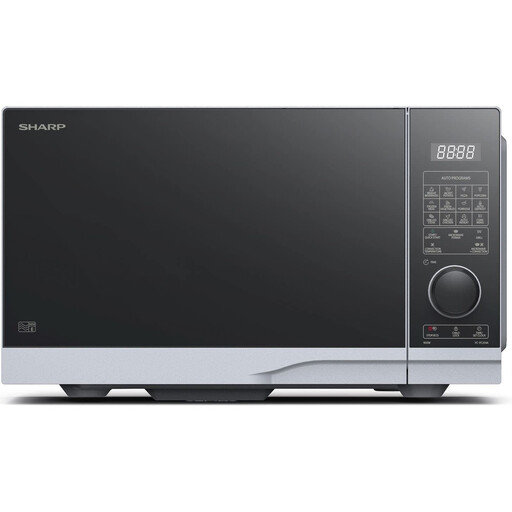 No image available
For reheating with the option of extra browning. Check that your dish fits on the turntable and is suitable for the setting you plan to use.
Features stated in the product name: 25 l, grill and convection.
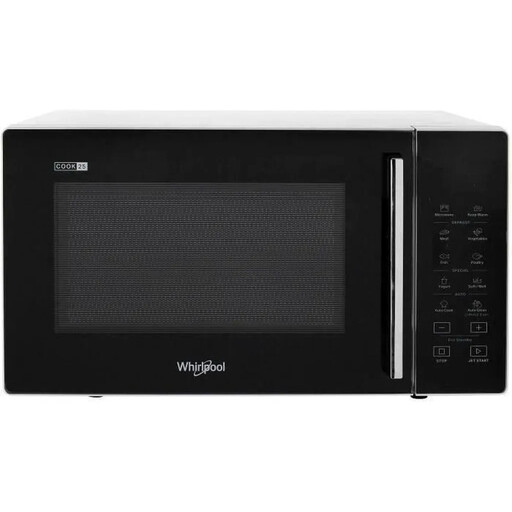 No image available
For reheating, without a specified grill or convection function. Make sure your dish fits on the turntable.
Features stated in the product name: 25 l and 900 W.
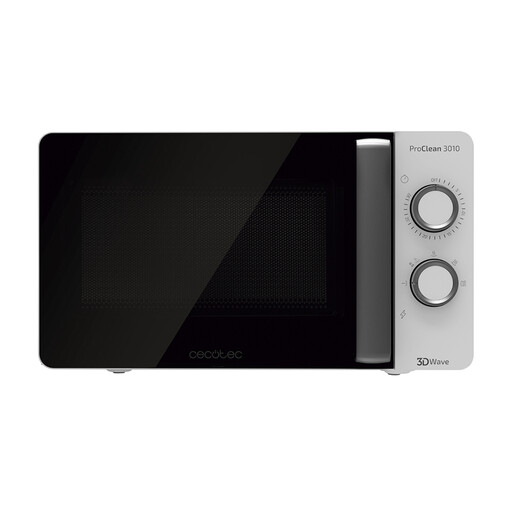 No image available
An option for reheating, provided the dish fits in the cooking space and the selected power level is suitable for the dish and food.
Features stated in the product name: 20 l, 700 W and 6 power levels.
The German Federal Institute for Risk Assessment recommends heating food to at least 70 °C for two minutes throughout. Stir the casserole partway through when using a microwave and make sure it heats evenly. If in doubt, use a food thermometer to check the temperature in several places. This is food hygiene advice, not a one-size-fits-all cooking time.
No. The German Federal Institute for Risk Assessment recommends keeping leftovers in the fridge and eating them within two to three days. You can divide larger quantities between several shallow containers to help them cool. Reheating won’t undo unsafe storage beforehand.
Compare the dish’s dimensions with the cooking space; if there’s a turntable, it must be able to rotate freely. Follow the manual for your model for clearance and ventilation requirements. For plastic dishes, the consumer advice centre recommends checking the permitted temperature and wattage, and not continuing to use damaged cookware.
No. In Germany, statutory rights relating to faults are claims against the seller, while a guarantee is an additional voluntary promise with its own terms. New consumer goods are generally covered by a two-year statutory period. Which rights apply in a particular case depends on the purchase and the specific fault.
CE marking isn’t an individual government approval. The European Commission explains that the manufacturer uses it to declare that the product meets the relevant EU requirements. There is no central EU body that issues a general CE certificate. Check the marking and documentation for the specific appliance.