
Lieferung heute & morgen

Qualitätsgarantie

Willkommens-Angebote freischalten: KOSTENLOSE Lieferung | Bis zu 80 % RABATT | Kostenlose 30-Tage-JoyPlus-Testphase
App herunterladen
The selection of ready-made chicken sauces on supermarket shelves can be overwhelming. From classic sweet and spicy sauces to complex Asian seasoning sauces, many products promise authentic flavour with minimal effort. However, not every sauce delivers on its promise. Unclear labelling and exaggerated marketing claims often lead to disappointment in the kitchen and unnecessary spending.
As your Joybuy Product Recommendation Officer, I'll help you recognise the common pitfalls and make an informed decision. We will focus on the objective characteristics that define a good sauce for chicken, ensuring your next meal is a success.
Before we get to the recommendations, it's important to understand the most common issues that can arise during selection.
To avoid these mistakes, you should check three core parameters. These will help you objectively evaluate the quality and suitability of a chicken sauce.
The texture of a sauce is crucial to its success. Pay attention to the description and the ingredients list to gauge the consistency.
The order of ingredients reveals the true main components. If sugar, water, or glucose syrup are listed first, it is primarily a sweet sauce with added flavours. For an authentic taste experience, ingredients like soy sauce, chilli paste (e.g., gochujang), garlic, or fruit should be high up on the list. A high sugar content (often over 30g per 100g) can quickly lead to a burnt result when frying or grilling. If you want to buy a sweet and spicy sauce, look for a balanced ratio between sugar and seasoning components.
A good Asian seasoning sauce is characterized by a complex flavour profile. Instead of just being sweet or salty, it often combines several notes: umami (from soy sauce, miso), heat (chilli), sweetness (sugar, fruit), and acidity (vinegar, lemon).
Here are some recommendations tailored to different needs and cooking styles.
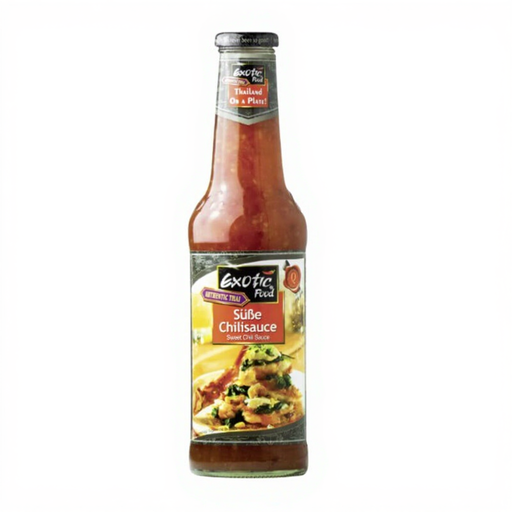
Why This Fits Their Persona: Ideal for anyone looking for a versatile and straightforward classic. The sweet and spicy profile is widely popular and works perfectly as a dip for finger food, a simple glaze, or for enhancing quick stir-fry dishes. The large bottle offers excellent value for money.
This sauce sidesteps the pitfall of an unclear application. It is designed as a universal dip and mild seasoning, with a clear and simple purpose. With a 22% chilli content, it also offers a genuine flavour that isn't just created by sugar.
Classic, balanced flavour profile. Versatile for use as a dip, glaze, or seasoning. Large container for regular use.
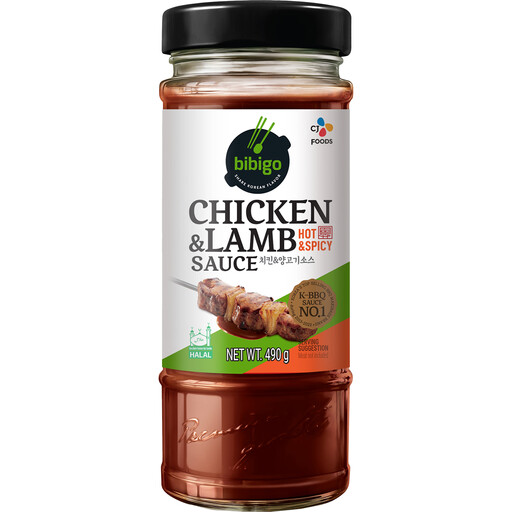
Why This Fits Their Persona: Perfect for home cooks who want to replicate the authentic taste of dishes like Korean Fried Chicken at home. This sauce provides a complex, spicy, and slightly sweet base that is difficult to replicate with individual ingredients.
This sauce avoids the trap of misleading flavour descriptions. The use of gochujang (red chilli paste) and fruit purées instead of pure sugar syrups ensures a deep, complex, and authentically spicy flavour.
Authentic Korean flavour profile. Ideal as a spicy chicken sauce and marinade for chicken. The thick consistency clings well to the meat.

Why This Fits Their Persona: For anyone who wants to prepare a tasty, authentic dish quickly and effortlessly after a long day at work. This seasoning packet contains everything needed for the classic Kung Pao sauce—just add it to the chicken in the pan.
This product solves the problem of incorrect application and hidden fillers. It is a precisely portioned seasoning mix for a specific dish. You don't waste any product and get a balanced flavour result optimised for Kung Pao.
Maximum convenience with an all-in-one solution. Guarantees the classic taste of Kung Pao chicken. No leftovers, no complicated measuring.
We have compiled a complete, up-to-date list of products that fully meet these strict selection criteria and UK regulations.
1. How long should you marinate chicken in a ready-made marinade? The ideal marinating time depends on the sauce and the thickness of the meat. For most ready-made marinades, 30 minutes to 2 hours is sufficient to impart flavour. For very acidic sauces (e.g., with a lot of vinegar or citrus), the time should be shorter (around 30 minutes), as the acid can alter the meat's texture too much. For a more intense flavour, the chicken can also be marinated overnight in the refrigerator, provided the marinade is not too salty or acidic.
2. How can I identify a good sweet and spicy sauce? A good sweet and spicy sauce has a balanced ingredients list. Make sure that chilli and garlic have a prominent place alongside sugar. A chilli content of over 15% is a good sign. The colour should come from the chillies, not from artificial colourings. The consistency should be slightly syrupy so that it adheres well, but not too sticky or watery.
3. Can I use a stir-fry sauce as a marinade? This is generally not recommended. A typical chicken stir-fry sauce is relatively thin and salty, designed to be distributed quickly in a hot wok. As a marinade, it would mostly run off the meat and, due to its high salt content, could dry out the meat rather than tenderise it during a long marinating time. For marinating, a thicker sauce specifically designated as a marinade for chicken is the better choice.