
Lieferung heute & morgen

Qualitätsgarantie

Willkommens-Angebote freischalten: KOSTENLOSE Lieferung | Bis zu 80 % RABATT | Kostenlose 30-Tage-JoyPlus-Testphase
App herunterladen
Anyone looking to buy chicken stock will find a wide range of products online in different formats: powder, paste, liquid concentrate or ready-to-serve stock in a jar. The differences are not limited to flavour; they also include ingredients, allergens, salt content, yield and storage. For keen home cooks, families and busy professionals, it is therefore worth taking a close look at the label.
Terms such as chicken bouillon, poultry stock or Chicken Seasoning initially reveal little about the actual recipe. Some seasoning products contain mainly salt, sugar, starch, yeast extract or flavourings. The specific proportion of chicken meat, chicken fat, chicken extract or concentrated stock is listed in the ingredients.
A product with a stated proportion of concentrated chicken stock should be assessed differently from a pure seasoning powder with a low chicken powder content. Both can be useful in the kitchen, but they serve different purposes.
Allergens are highlighted in EU ingredients lists. These include wheat and other cereals containing gluten, celery, soya, milk, eggs and sulphites, among others. Even if chicken stock in a jar or a concentrate appears simple at first glance, it may contain ingredients such as soya sauce, barley or celery.
Product information should be checked against the packaging before purchase. Recipes can change; the labelling on the individual product is what matters.
A small jar of chicken stock paste may make several litres, while liquid stock in a jar is ready to use and should generally be consumed more quickly after opening. The following points are therefore important:
Comparing the price per pack is less meaningful than comparing the price per litre of prepared stock.
For a clear drinking bouillon or classic soup, concentrated stocks and fonds are usually the obvious choice. A chicken fond is often used as a base for sauces, risotto, fricassee and casseroles. Powders and granules, on the other hand, are particularly suitable for adding flavour quickly.
Pay attention to the order of the ingredients: the ingredient listed first is present in the greatest quantity. A high salt content can be typical of seasoning powders. It is therefore best to add the product cautiously and only add extra salt to the pot at the end.
For Asian dishes such as ramen, pho, fried noodles or rice dishes, products seasoned with ingredients such as ginger, pepper, star anise or shiitake are a good match. If you are looking for halal chicken stock, look for an explicitly stated certification. Vegan chicken stock contains no poultry; it is generally based on vegetables and recreates a savoury seasoning note.
Certification is important for organic products. The Langbein Organic Poultry Stock product is offered with the organic certification DE-ÖKO-009 and, according to the product information, contains poultry stock, soya sauce and wheat, among other ingredients. It is therefore not gluten-free and is not suitable for a soya-free diet.
Even for products described as gluten-free or vegan, you should check the ingredients list and allergen information. ‘Poultry stock’ and ‘chicken stock’ do not automatically mean halal or organic quality either.
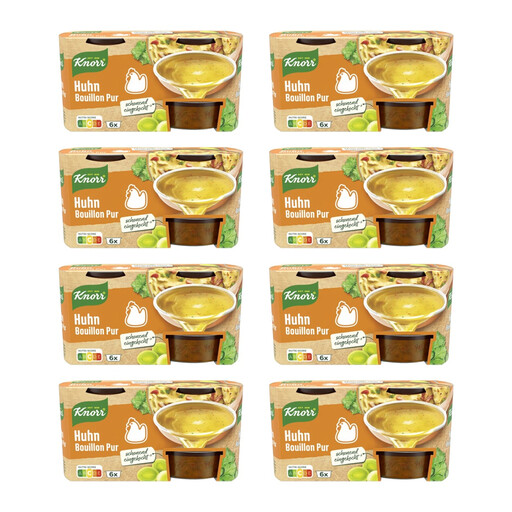
Why this product matches the profile: The individually portioned units are practical for households that occasionally want to add flavour to soup, risotto, curry or a noodle dish.
The portion size makes dosing easier. According to the product information, one sachet is dissolved in 500 ml of boiling water or added directly to a dish. However, the ingredients list includes barley, so the product is not automatically suitable for a gluten-free diet.
Liquid concentrate, individually portioned and versatile enough for soups, sauces, risotto and Asian dishes.
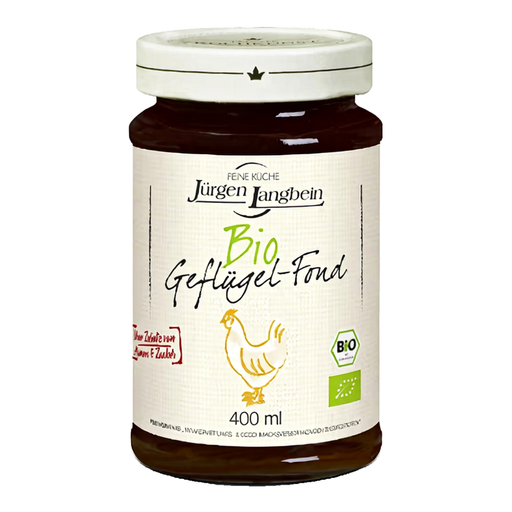
Why this product matches the profile: Suitable for shoppers who look for recognised organic certification and a liquid base for sauces or soups.
The product information states DE-ÖKO-009. At the same time, soya and gluten-containing wheat are listed as ingredients. Anyone who needs to avoid allergens should take this information into account before buying.
Organic certification, glass packaging and liquid format. Refrigerated storage is required after opening.
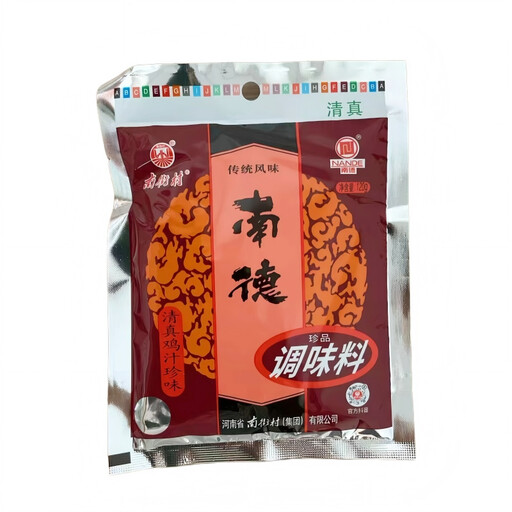
Why this product matches the profile: The explicitly stated halal certification and versatile dosing suit kitchens where soups, wok dishes, fillings and marinades are prepared regularly.
The labelling helps when looking for halal chicken stock. For a low-salt diet, the stated salt content of 60,2 g per 100 g is an important point to check.
Designed for soups, fried rice, noodles, grilled dishes and fillings; according to the product information, it contains no declared allergens.
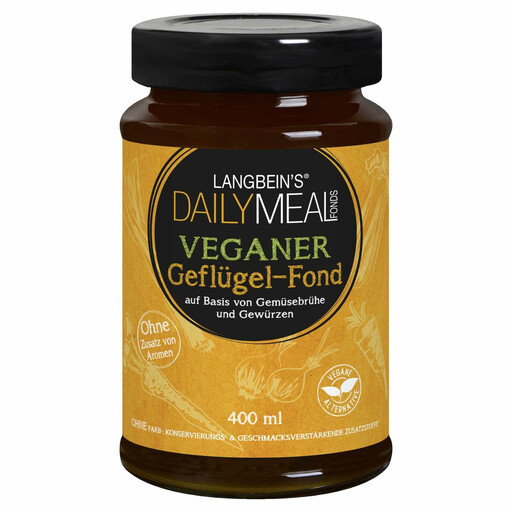
Why this product matches the profile: The plant-based recipe is intended for vegan soups, sauces, braised dishes and bakes when you want to avoid animal-based ingredients.
The ingredients list is based on vegetable stock and contains no poultry. However, celery, soya and wheat are listed, so these allergens should be checked before use.
Vegan, liquid and ready to use without lengthy preparation. After opening, the product should be refrigerated and consumed within a few days.
We have put together a complete, regularly updated list of products that fully meet these strict selection criteria and the safety regulations applicable in the EU.
Clear, easily soluble products that are diluted with water according to the pack instructions are suitable for drinking bouillon. Check the salt content, flavour profile and allergens beforehand. Paste or concentrate can often be prepared stronger or milder.
This depends on the format. Powders and granules should be stored in a dry place in a tightly sealed container. Liquid chicken stock in a jar should be refrigerated after opening. Depending on the product, the exact period ranges from a few days to around two weeks and is stated on the packaging.
Chicken stock generally refers to a ready-made or prepared liquid. Bouillon is often a concentrated seasoning product in powder, granule or paste form. Fond is used as a cooking base and may be intended particularly for sauces, risotto or braised dishes. The ingredients list, dosage and intended use remain the key factors.