
Lieferung heute & morgen

Qualitätsgarantie

Willkommens-Angebote freischalten: KOSTENLOSE Lieferung | Bis zu 80 % RABATT | Kostenlose 30-Tage-JoyPlus-Testphase
App herunterladen
The range of chickpea products available in stores is diverse and can be overwhelming. Whether pre-cooked in a jar, dried, as flour, or as a seasoned snack—each version has specific properties and is suited for different purposes. This guide is designed to help you understand the various forms of chickpeas and make an informed purchasing decision that aligns with your cooking habits and nutritional goals.
As your Joybuy Product Recommendation Officer, I have compiled the available information on these product types to provide you with objective guidance.
The right choice depends on factors like preparation time, intended use, and personal preferences. Here are three key points to consider when making your decision.
The most fundamental choice is between ready-to-eat and raw chickpeas.
Beyond the whole legume, chickpeas are available in processed forms for specific applications.
The quality and taste can vary depending on the cultivation method and variety.
Based on the criteria above, we have put together a selection of products that cover various uses.
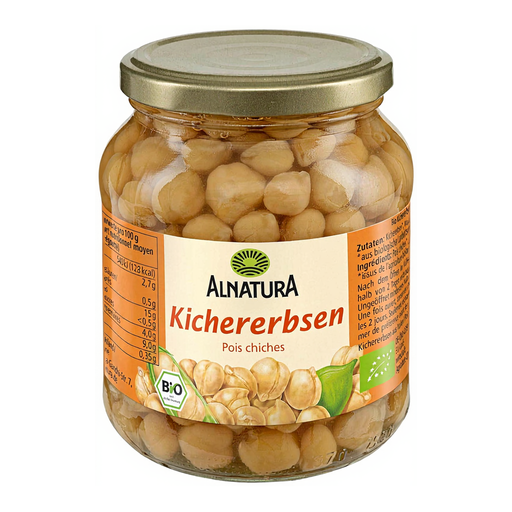
Why It Stands Out These canned chickpeas from Alnatura offer organic quality and are ready to use. The ingredient list is deliberately simple, containing only chickpeas, water, and sea salt. The product is certified by DE-?KO-001.
Pros
Who It's For? For those who value organic quality and quick, straightforward preparation. Ideal for the pantry to have a base for healthy meals on hand at all times.
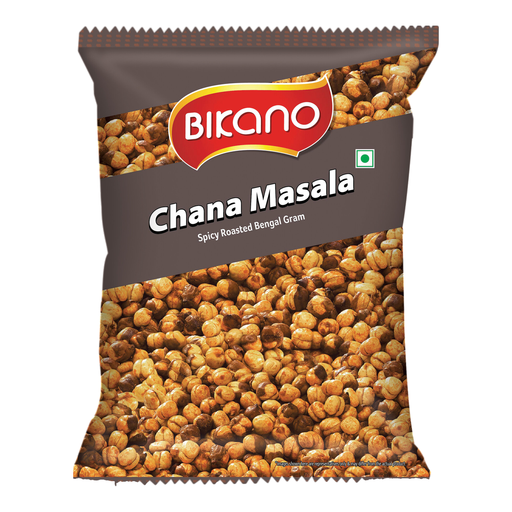
Why It Stands Out This chickpea snack from BIKANO combines roasted chickpeas (Bengal Gram) with an Indian spice blend (Masala). With 18.5 g of protein per 100 g, it is a high-protein snack alternative.
Pros
Who It's For? For anyone looking for a savoury, high-protein snack for in-between meals or as a side dish, and who appreciates the flavours of Indian cuisine.
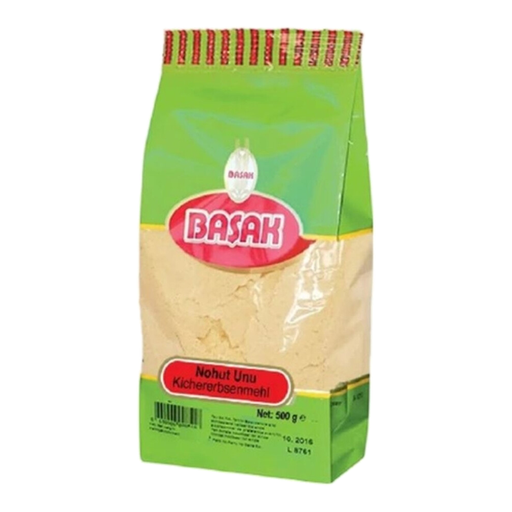
Why It Stands Out This finely ground flour is made from 100% chickpeas and is produced in Turkey. It is a natural source of plant-based protein and fibre and contains no additives.
Pros
Who It's For? For home cooks and people with gluten intolerance who are looking for a nutritious and versatile flour alternative for their kitchen.
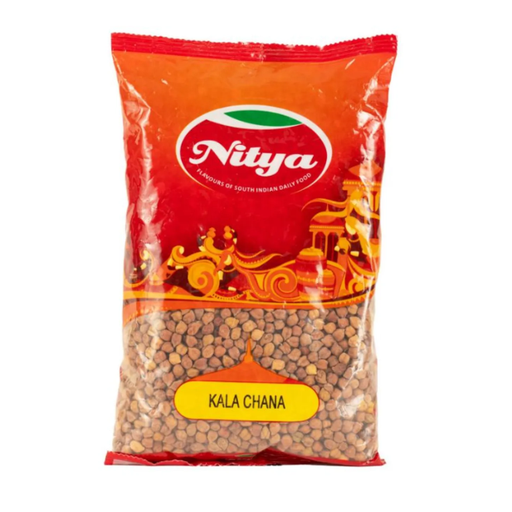
Why It Stands Out These dried black chickpeas (Kala Chana) from India offer a more intense, nuttier flavour than the lighter varieties. With 20 g of protein per 100 g, they are particularly high in protein and are perfect for authentic curries and stews.
Pros
Who It's For? For cooks who want to prepare traditional Indian or Middle Eastern dishes and appreciate the stronger flavour and firm texture of Kala Chana. Requires a willingness to do the prep work (soaking).
If these suggestions don't include the right product for your needs, you might find a suitable alternative in our broader selection. From different package sizes to more organic products and snack varieties, there is still more to discover.
Explore our full range of chickpea products
For dried chickpeas, a soaking time of 8 to 12 hours in plenty of cold water is generally recommended. Soaking them overnight is a common practice. This process not only shortens the cooking time but can also improve digestibility.
Yes, pure chickpea flour, which consists exclusively of ground chickpeas, is naturally gluten-free. However, individuals with coeliac disease or severe gluten sensitivity should look for products that are explicitly certified as "gluten-free." This ensures that no cross-contamination with gluten-containing grains has occurred during processing.
Kala Chana differs from the more common beige chickpeas (Kabuli Chana) in several ways. They are smaller, have a darker, almost black skin, and a rougher surface. In terms of taste, they are more robust, earthier, and nuttier. Due to their firmer structure, they are less likely to fall apart during cooking, making them particularly well-suited for slow-cooked curries and stews.