
Lieferung heute & morgen

Qualitätsgarantie

Willkommens-Angebote freischalten: KOSTENLOSE Lieferung | Bis zu 80 % RABATT | Kostenlose 30-Tage-JoyPlus-Testphase
App herunterladen
When children move from a crib to their first "big kid" bed, a new set of considerations begins for parents. Safety and hygiene in the child's room once again become a top priority. A suitable bed guard is a central piece of this puzzle, yet the market is overwhelming. Behind promises of easy installation and absolute protection often lie products that fail to deliver in everyday use.
This guide will help you identify the crucial features to look for. We'll highlight the most common pitfalls that lead to frustration and unnecessary expenses, and show you what truly matters when choosing a durable and functional bed guard.
Many products promise more than they can deliver. Three problems in particular repeatedly cause parents to regret their purchase:
To avoid these pitfalls, you should carefully examine three technical aspects before buying. These factors determine the product's safety, comfort, and longevity.
The type of attachment is paramount for secure fall protection. Look for systems that create a firm connection with the bed frame or slatted base.
For mattress protection for bedwetting, the material and washability are crucial for hygiene and sleep comfort.
Not every product is right for every family. Here are some recommendations tailored to specific needs and life stages.
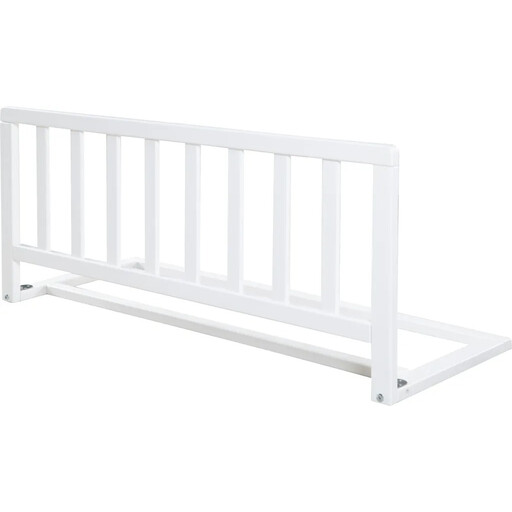
Why This Fits Their Persona: Ideal for parents whose child (approx. 18 months to 5 years) is moving into a standard bed. The solid wood construction provides a reliable barrier, and the simple assembly is perfect for quick deployment.
It bypasses the unstable attachment trap by using an included Velcro strap that secures to the slatted base. Additionally, the maximum mattress height (18 cm) is clearly stated, which prevents compatibility issues.
Sturdy solid wood construction; tool-free assembly without drilling; narrow 6 cm slat spacing for enhanced safety.
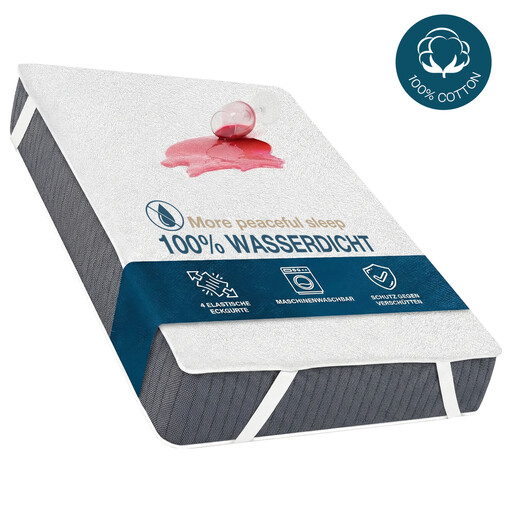
Why This Fits Their Persona: Perfect for parents who place the highest value on hygiene and sleep comfort. The combination of waterproof functionality and skin-friendly material protects the mattress without compromising the sleep environment.
This product solves the problem of sweaty, crinkly protectors. The 100% cotton terry surface and breathable membrane ensure good air circulation and a quiet sleep experience.
100% cotton surface for high comfort; machine washable up to 60°C for optimal hygiene; breathable and silent membrane.

Why This Fits Their Persona: A versatile solution for parents of newborns (0-6 months). It serves as a changing pad, travel companion, and soft play mat, providing a safe, defined space for the baby, whether at home or on the go.
This isn't a classic bed guard, but a flexible alternative for the very young. It solves the need for a safe place to lay the baby down without requiring a fixed installation on a bed. Its use is clearly limited to flat, stable surfaces.
3-in-1 functionality; lightweight and portable; filling is removable and the cover is washable at 40°C.
We've compiled a complete, up-to-date list of products that meet these strict selection criteria and safety standards.
A bed rail is generally recommended when your child transitions from a crib to an open toddler or junior bed. This usually happens between the ages of 18 months and 2.5 years. The exact timing depends on your child's individual development and sleep habits. As soon as they start trying to climb out of the crib, it's time for the switch and, consequently, for fall protection.
Read the manufacturer's installation manual carefully and follow it precisely. Most no-drill models use either long straps that are fed under the mattress and tightened on the opposite side of the bed, or they have large feet that are held in place by the weight of the mattress. The most important thing is that the rail sits firmly against the mattress with no gap after installation. Check its stability regularly.
This depends on the material of the waterproof membrane. Many modern mattress protectors with a PU membrane are suitable for tumble drying on a low heat setting. However, excessive heat can damage the membrane and compromise its waterproof function. Always check the product's care label. Air drying is a safe alternative.