
Lieferung heute & morgen

Qualitätsgarantie

Willkommens-Angebote freischalten: KOSTENLOSE Lieferung | Bis zu 80 % RABATT | Kostenlose 30-Tage-JoyPlus-Testphase
App herunterladen
Choosing a child car seat is one of the most important decisions parents make for their child's safety. The market offers an overwhelming variety of models, standards, and features. This complexity often leads to uncertainty and can result in purchasing decisions that are not optimally aligned with the child's needs or the vehicle's specifications. Before you make a choice, it's crucial to recognise common pitfalls.
Common Pitfalls When Buying a Child Car Seat:
To make an informed decision, you should focus on the objective criteria that define a seat's safety and compatibility.
The most current and recommended approval standard for child car seats in Europe is UN R129, better known as i-Size. Unlike the older ECE R44 standard, which is based on the child's weight, i-Size classifies seats according to the child's height. This allows for a more precise fit.
Key Advantages of the i-Size Standard:
ISOFIX is an internationally standardised attachment system. It creates a rigid, fixed connection between the child car seat and the vehicle's chassis.
Instead of making a blanket recommendation, we have identified models that meet specific requirements and avoid the pitfalls mentioned earlier.

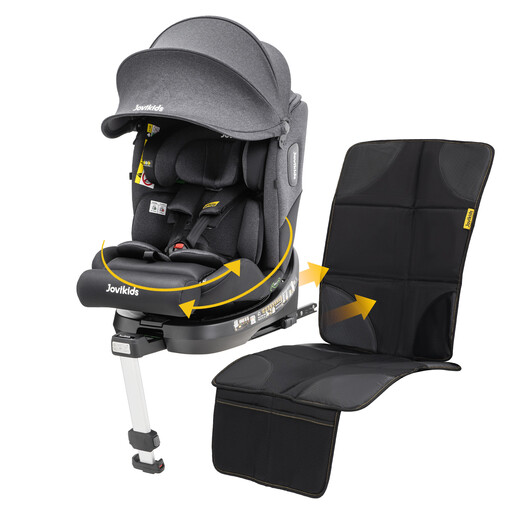
Why This Fits Their Persona: Ideal for parents seeking a high-end safety and comfort solution for the first four years. The 360° rotation function makes daily entry and exit significantly easier.
This seat avoids the "all-in-one" compromise by specialising in the 0-4 age group. This ensures optimal ergonomics and safety during the most vulnerable phase.
Meets the strict i-Size (UN R129/03) standard. The Plus version also features mesh inserts for improved air circulation, which is particularly beneficial on longer journeys.
Why This Fits Their Persona: A practical choice for families looking for a long-term, cost-effective solution. This seat accompanies the child from birth until they no longer need a car seat.
Although it is a multi-stage seat, it bypasses the trap of outdated standards through its certification under the current i-Size ECE R129 regulation. This ensures it meets modern safety requirements throughout its entire lifespan.
Combines a long lifespan (40-150 cm) with modern comfort and safety features like 360° rotation and ISOFIX with a support leg. The headrest is adjustable to 12 positions.
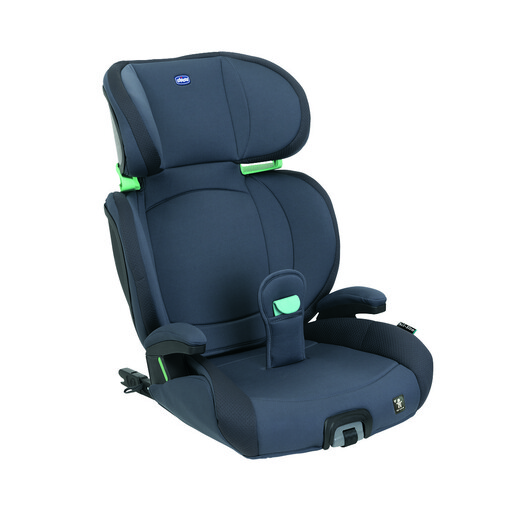
Why This Fits Their Persona: Designed for children who have outgrown their toddler seat (100-150 cm). This seat ensures the vehicle's seat belt is positioned correctly across the child's body while providing side-impact protection.
As a specialised booster seat, it ensures a better fit and belt positioning for older children than a compromise seat often can in its final growth stage. It is designed for the anatomy of school-aged children.
Certified according to ECE R129/03 (i-Size). The optional ISOFIX connectors provide additional stability to the seat, even when unoccupied. The headrest and backrest are adjustable.
We've compiled a complete, up-to-date list of products that fully meet these strict selection criteria and current safety regulations.
According to the i-Size standard (UN R129), rear-facing transport is legally required for children up to at least 15 months of age and a height of 76 cm. However, safety experts recommend keeping children rear-facing for as long as possible, ideally up to the age of four, as this offers the best possible protection for the head and neck in a frontal collision.
No, not necessarily. Although ISOFIX is a standardised system, the shape of the vehicle seats, the position of the anchor points, or the length of the support leg can limit compatibility. Therefore, always check the vehicle compatibility list on the car seat manufacturer's website before purchasing. Many manufacturers offer an online tool where you can enter your vehicle model to check the fit.
The switch is necessary when your child reaches the maximum permitted height or weight for the infant carrier. A clear sign is when the top of your child's head extends beyond the top edge of the shell. Do not switch too early, as the lie-flat position in an infant carrier is safest for a newborn's spine. Always adhere to the manufacturer's specifications regarding the maximum height.