
Lieferung heute & morgen

Qualitätsgarantie

Willkommens-Angebote freischalten: KOSTENLOSE Lieferung | Bis zu 80 % RABATT | Kostenlose 30-Tage-JoyPlus-Testphase
App herunterladen
Choosing the right child car seat is one of the most important decisions for your child's safety in the car. The market offers a bewildering array of models, standards, and features. Many parents feel overwhelmed by marketing promises and technical details. This guide will help you understand the crucial criteria and avoid common pitfalls to make an informed choice.
As your Joybuy Product Recommendation Officer, I've gathered the facts that truly matter.
Before we dive into the key features, let's look at three common misconceptions that can lead to an unsuitable or unsafe choice:
To make a safe and practical choice, you should carefully examine three technical aspects.
The most important guideline is the approval standard. For several years, the i-Size car seat (under the UN R129 regulation) has been establishing itself as the new standard.
When purchasing, look for the orange approval label. A seat approved under UN R129 meets the latest safety requirements.
Correct installation is crucial. There are two main methods:
In addition to safety, practical everyday features also play a role. A 360-degree rotating car seat makes getting the child in and out of the car significantly easier and is easier on parents' backs. A multi-position adjustable headrest and customisable recline angles ensure the seat grows with the child and remains comfortable even on long journeys.
Here are some models tailored to different life stages and requirements.
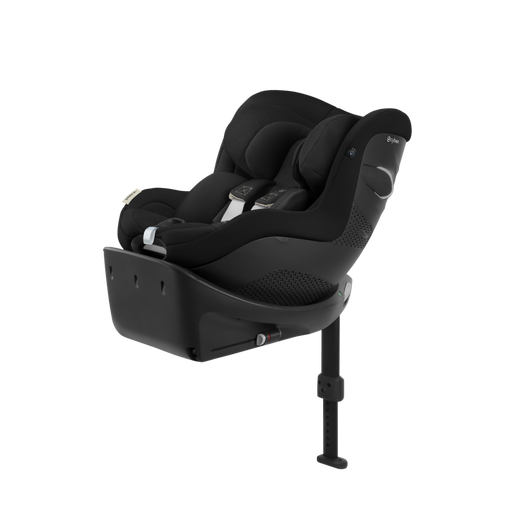
Why this model is a great fit: For expectant parents seeking a safe and comfortable solution from day one. The 360° rotation function makes daily handling incredibly easy, and the newborn inlay ensures an ergonomic position.
It meets the strict i-Size standard (UN R129/03) and is easy and safe to install thanks to its ISOFIX base with visual indicators. The included newborn inlay prevents the compromises of a pure "all-in-one" seat in the early stages.
360° rotation mechanism for easy entry and exit. Integrated Linear Side-impact Protection (L.S.P. System). All-round air circulation for enhanced comfort.
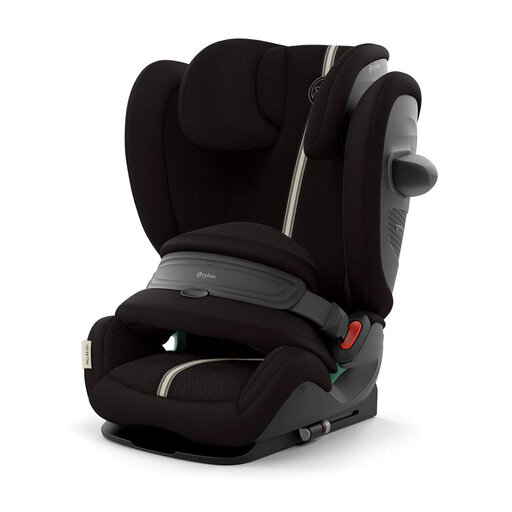
Why this model is a great fit: Ideal for families looking for a durable follow-up seat after their rear-facing one. It covers the period from toddler to pre-teen and offers thoughtful safety features for every stage of growth.
This 2-in-1 seat avoids the "all-in-one" compromise by focusing on the stage after the infant carrier. The impact shield for younger children provides a different type of restraint than the vehicle's seat belt used later, and is specifically designed for this age group.
Usable from approx. 15 months to 12 years. Impact shield technology that, according to manufacturer Cybex, can reduce the risk of neck injuries. Easy to secure the child and features a reclining headrest.
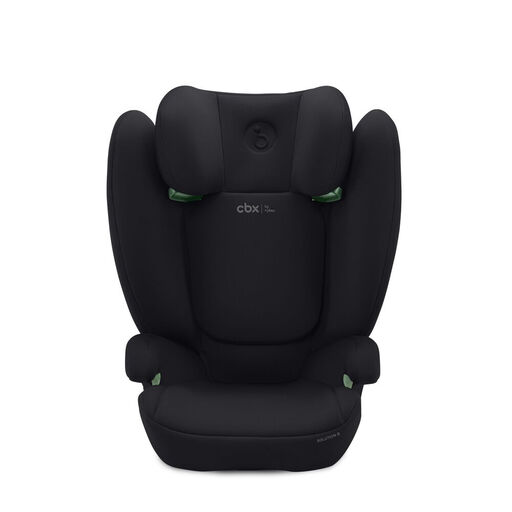
Why this model is a great fit: A straightforward and safe solution for primary school-aged children (approx. 3 to 12 years). The seat is lightweight, easy to transfer between vehicles, and still offers the safety benefits of an i-Size seat with a backrest.
This model is a Group 2/3 high-back booster seat (100-150 cm). Unlike simple backless booster cushions, it provides side-impact protection and proper seat belt routing across the upper body.
Approved under UN R129/04. ISOFIX connection for extra stability. 12-position height-adjustable headrest and Linear Side-impact Protection system.
We have compiled a complete, up-to-date list of products that fully meet these strict selection criteria and safety regulations.
1. How long does my child need to travel in a rear-facing car seat? According to the i-Size standard (UN R129), rear-facing travel is legally required until a child is at least 15 months old and 76 cm tall. However, safety organisations recommend keeping children in a rear-facing car seat for as long as possible, ideally up to the age of four, as this provides better protection for the head and neck area in a frontal collision.
2. Does every i-Size car seat fit in every car with ISOFIX? Not necessarily. Although i-Size and ISOFIX are standards, the shape of the vehicle's seats or the amount of space in the back can limit compatibility. Before buying, check the car seat manufacturer's vehicle compatibility list. Many manufacturers, such as Cybex, offer compatibility checkers on their websites where you can enter your car model.
3. When should I switch from a child seat to a booster seat? The switch from a seat with an integrated harness (Group 1) to a booster seat (Group 2/3, e.g., a 15-36 kg car seat) should happen when your child reaches the maximum weight or height limit of the smaller seat. With a booster seat, the child is secured using the vehicle's 3-point seat belt. It is important to use a high-back booster seat with a headrest, as this provides side-impact protection and ensures the shoulder belt is correctly positioned. Child seat laws, which typically apply until a child reaches a specific age (e.g., 12) or height (e.g., 150 cm), vary by region, so always check your local regulations.