
Lieferung heute & morgen

Qualitätsgarantie

Willkommens-Angebote freischalten: KOSTENLOSE Lieferung | Bis zu 80 % RABATT | Kostenlose 30-Tage-JoyPlus-Testphase
App herunterladen
Choosing a child car seat is one of the most important decisions parents make for their child's safety. The market offers a bewildering array of models, standards, and features. Many products advertise benefits that aren't always immediately apparent. This guide will help you understand the key criteria and avoid common mistakes, ensuring you find a safe and durable solution for your family.
An informed decision protects not only your child but also your wallet. Watch out for these three common misconceptions:
To make an informed choice, you should focus on the following three technical features. They form the basis for safety and functionality.
Both standards are approved for use, but they have significant differences:
Recommendation: Models certified under the i-Size standard UN R129 generally offer a higher level of safety due to the stricter testing criteria.
The method of installation in the car is crucial for the seat's stability.
Recommendation: If your vehicle has ISOFIX anchors, a corresponding seat is preferable due to its simpler and more secure handling.
Long-term solutions can simplify daily life and save money.
Recommendation: An all-in-one car seat that starts as a rear-facing seat and offers a 360-degree rotation feature combines safety, convenience, and long-term value.
Instead of a one-size-fits-all recommendation, we have selected models tailored to the specific needs of families.
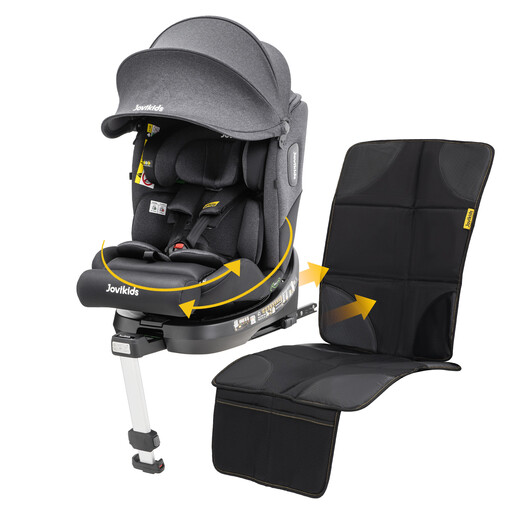
Why This Fits Their Persona: Ideal for parents seeking a comprehensive and future-proof solution right from birth. This seat covers the entire usage period from 0 to 12 years, combining the highest safety standards with maximum comfort.
The i-Size certification (UN R129) and classification by height (40-150 cm) bypass the imprecision of weight-based guidelines. The ISOFIX installation with a support leg minimises the risk of user error.
360° rotation feature for easy entry and exit. Usable as an all-in-one car seat from birth, eliminating the need to buy multiple seats.

Why This Fits Their Persona: Perfect for families looking for a durable follow-on seat after the infant carrier. This 2-in-1 model accompanies the child from the toddler years (approx. 15 months) to the end of the car seat requirement, offering modern safety features.
As a 2-in-1 seat, it avoids the pitfall of having to buy multiple seats. The i-Size standard (UN R129/04) ensures a secure and proper fit based on height (76–150 cm).
Long lifespan of over 10 years. According to the manufacturer, the adjustable impact shield reduces the risk of neck injuries compared to conventional harness systems.
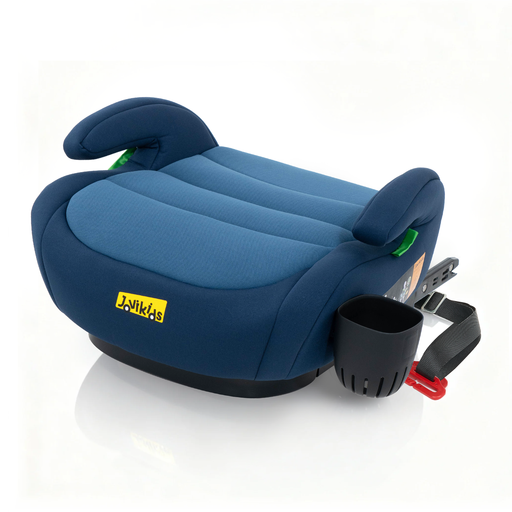
Why This Fits Their Persona: Suitable for grandparents or families with multiple vehicles who need a lightweight and quick-to-install booster seat for older children (125-150 cm).
This booster seat features ISOFIX connectors that ensure a stable installation in the car and prevent it from slipping—a common problem with simple booster cushions that lack a fixed anchor.
Very lightweight (3 kg) and compact, making it easy to switch between vehicles. The ECE R129 certification ensures that this booster seat also meets modern safety requirements.
We have compiled a complete, up-to-date list of products that fully meet these strict selection criteria and safety regulations.
1. How long does my child need to travel in a rear-facing car seat? According to the i-Size standard (UN R129), rear-facing transport is legally required for children up to 15 months of age and a height of 76 cm. However, safety experts recommend keeping children in a rear-facing car seat for as long as possible, ideally up to the age of four. A young child's neck and spinal muscles are not yet fully developed, and a rear-facing position offers superior protection in a frontal collision.
2. Can I install a child car seat in the front passenger seat? Installing a child car seat in the front passenger seat is only permitted under specific conditions. For rear-facing systems (like infant carriers or rear-facing seats), the passenger airbag must be deactivated. A deploying airbag can be life-threatening to the child. For forward-facing seats, it is recommended to move the passenger seat as far back as possible. Always follow the car seat manufacturer's instructions and the specifications in your vehicle's owner's manual. As a rule, the back seats are considered the safest places in the car.
3. What is the difference between a Group 2/3 car seat and a simple booster cushion? A Group 2/3 car seat (or an i-Size seat for children from approx. 100 cm) consists of a booster cushion with a backrest and headrest. The backrest provides crucial side-impact protection for the upper body and head. Additionally, the belt guide on the headrest ensures that the vehicle's diagonal seat belt is correctly positioned over the child's shoulder. A simple booster seat (without a backrest) only raises the child's pelvis but offers no side-impact protection or shoulder belt guidance. It should therefore only be considered an emergency solution for short trips.