
Lieferung heute & morgen

Qualitätsgarantie

Willkommens-Angebote freischalten: KOSTENLOSE Lieferung | Bis zu 80 % RABATT | Kostenlose 30-Tage-JoyPlus-Testphase
App herunterladen
Choosing a child car seat is one of the most important decisions a parent can make for their child's safety. However, the market is overwhelming and filled with marketing promises that create more confusion than clarity. False assumptions can lead not only to an ill-fitting seat but also an unsafe one. As your Joybuy Product Recommendation Officer, I'm here to help you separate fact from fiction and make an informed decision.
Before we look at specific models, let's highlight three common pitfalls that lead to poor purchasing decisions:
To avoid these pitfalls, you should focus on objective, technical parameters. These three criteria are essential for making a safe and suitable choice.
The i-Size standard is not just a recommendation; it's the most advanced safety standard for child car seats in Europe. Unlike the older ECE R44 regulation, which is based on weight, i-Size offers crucial advantages:
Therefore, when making your selection, look for the UN R129/03 approval. This is a clear indicator of a current, high safety standard.
The installation method has a direct impact on safety, as installation errors are a common source of danger.
For most users, a car seat with Isofix offers the safer and more practical solution, provided the vehicle is compatible.
The decision between an all-in-one model and several specialised seats for different age groups is a trade-off between cost and a precise fit.
Based on the criteria mentioned, we have selected a few models from our range that represent a well-thought-out solution for specific user profiles.

Why This Fits Their Persona: Ideal for parents seeking uncompromising safety and maximum comfort from birth (from 40 cm with newborn inlay) up to approx. 4 years. The seat is a dedicated rear-facing seat with an optional forward-facing position from 15 months and meets the strict i-Size standard.
This seat avoids the 'one-seat-fits-all' trap by specialising in the critical 0-4 year phase, providing an ergonomically optimised fit for babies and toddlers.
The 360° rotation feature makes getting your child in and buckling them up significantly easier. The integrated L.S.P. System provides enhanced side-impact protection.
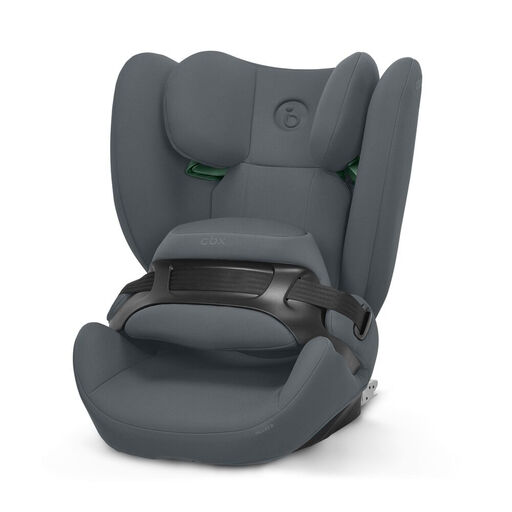
Why This Fits Their Persona: An economical 2-in-1 solution for parents who want a long-term seat for over 10 years (from approx. 15 months to 12 years). This multi-stage car seat is an investment that accompanies the child throughout the entire period a car seat is required.
For the younger age group (76-105 cm), it uses an adjustable impact shield which, according to the manufacturer, can reduce neck injuries by up to 40%. This is a specific solution instead of a compromised harness system.
Certified according to the current i-Size standard (UN R129/04). Installation is securely handled via Isofix and Top Tether, which minimises installation errors.
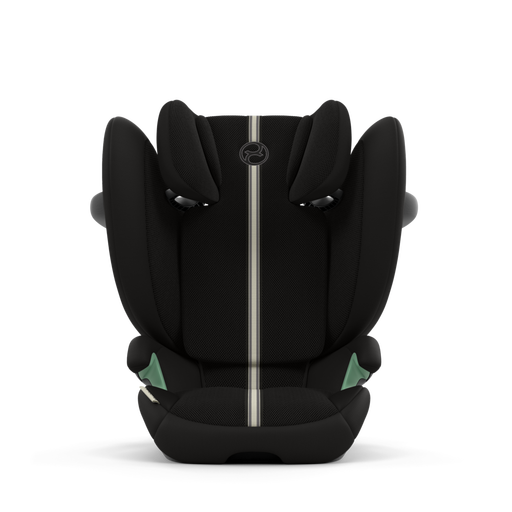
Why This Fits Their Persona: Perfect for the transition from a toddler seat to the final stage of car seat use (approx. 3 to 12 years). This high-back booster seat provides safety and comfort for children who are ready to be secured with the vehicle's own seat belt.
It is specifically designed for the 100-150 cm height range, ensuring correct belt positioning and precise side-impact protection, which simple backless booster cushions do not provide.
The patented, reclining headrest helps prevent the child's head from tipping forward while sleeping. The L.S.P. System Plus offers 20% more side-impact protection, according to the manufacturer.
We have compiled a complete, real-time list of products that fully satisfy these strict selection criteria and European safety regulations.
According to the i-Size standard (UN R129), rear-facing travel is legally required until at least 15 months of age and a height of 76 cm. However, safety organisations like the ADAC recommend keeping children in a rear-facing car seat for as long as possible, ideally up to the age of four, as this provides the best possible protection for the head and neck in a frontal collision.
Not necessarily. Although i-Size is designed to improve compatibility, there are vehicle-specific differences. The incline of the back seat, the depth of the Isofix anchor points, or the shape of the vehicle floor (important for seats with a support leg) can affect the fit. Therefore, always check the vehicle compatibility list on the car seat manufacturer's website before purchasing.
The switch to the next seat category (typically a high-back booster seat for children from approx. 100 cm) should happen when the child reaches the maximum weight or height limit of their current seat. Switching too early is not advisable, as the 5-point harness system or impact shield of a toddler seat distributes impact forces across the body better than the vehicle's 3-point seat belt. Always follow the manufacturer's specifications for your seat.