
Lieferung heute & morgen

Qualitätsgarantie

Willkommens-Angebote freischalten: KOSTENLOSE Lieferung | Bis zu 80 % RABATT | Kostenlose 30-Tage-JoyPlus-Testphase
App herunterladen
Choosing a child car seat is one of the most critical safety decisions a parent can make. However, the market is overwhelming, filled with technical jargon, outdated standards, and marketing promises. Many well-intentioned purchases turn out to be impractical, unsafe, or obsolete after a short time. As your Joybuy Product Recommendation Officer, I'm here to help you understand the crucial criteria and avoid common pitfalls.
Before we dive into the details, let's clear up two costly misconceptions that repeatedly lead to poor purchasing decisions.
Pitfall 1: Focusing on Outdated Weight Classes (e.g., 9-36 kg)
Many people still rely on old weight classes, such as the 9-36 kg car seat, which belong to the previous ECE R44 standard. However, this standard is being phased out and does not offer the same level of safety as the current regulation. A seat classified only by weight often fails to adequately account for a child's proportions and the stability of their developing neck.
Pitfall 2: Underestimating the Importance of Correct Installation
The safest child car seat is useless if installed incorrectly. Studies, including those from major automotive clubs, consistently show high error rates when seats are secured with the vehicle's seatbelt. Complex belt routing and a lack of clear feedback mean many seats are too loose or improperly fixed in the car, which can have fatal consequences in a crash.
To make an informed decision, focus on three objective core features that define safety and usability.
The key indicator of modern safety is approval under the UN R129 regulation, better known as i-Size. Compared to the old ECE R44 standard, it offers clear advantages:
A car seat with ISOFIX is the direct solution to the high error rate associated with seatbelt installations. ISOFIX is an internationally standardised system featuring rigid anchor points that connect directly to the vehicle's chassis.
A multi-stage car seat that grows with your child can be a cost-effective solution, as it can be used for several years. However, it's important to look for thoughtful functionality. An infant car seat is essential for the first few months, after which a combination seat can be used. Features like a 360° rotating car seat make daily buckling in and out significantly easier and save parents' backs.
Instead of presenting an overwhelming list, we've selected models that meet the specific needs of families and are designed to avoid the pitfalls mentioned above.

Why This Fits Their Persona: Ideal for parents who refuse to compromise on safety and comfort right from birth (from 40 cm with the newborn inlay). The 360° rotation function makes daily life significantly easier.
Meets the strict i-Size standard (UN R129/03) and is installed using ISOFIX with a load leg, which minimises installation errors. The 360° rotation eliminates awkward handling.
Extended rear-facing travel (up to 105 cm) for superior safety. Integrated Linear Side-impact Protection (L.S.P. System) and an all-in-one solution for the first four years.
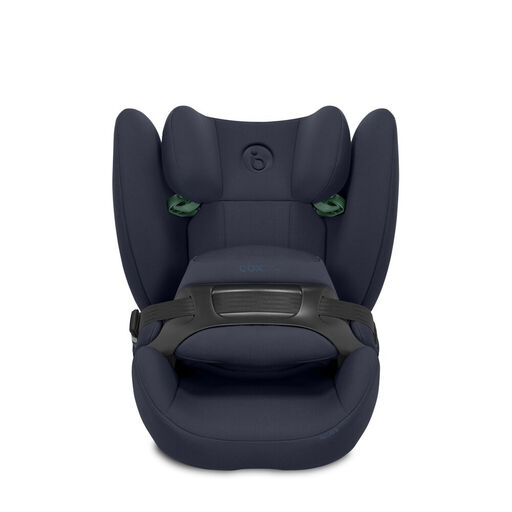
Why This Fits Their Persona: A cost-effective 2-in-1 solution for families looking for a long-term investment. This seat grows with the child from approximately 15 months up to 12 years old.
As a multi-stage car seat compliant with the i-Size standard, it eliminates the need to buy multiple follow-on seats. The impact shield for younger children distributes crash forces differently than a harness system.
Extremely long usability of over 10 years. Simple installation with ISOFIX and a Top Tether. According to the manufacturer CYBEX, the adjustable impact shield reduces the risk of neck injuries.
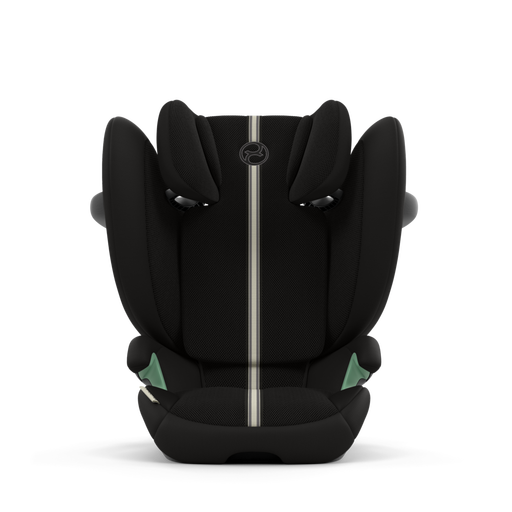
Why This Fits Their Persona: Perfect for the final stage of car seat requirements (approx. 3 to 12 years). It offers safety and comfort for older children who have outgrown their toddler seat.
This high-back booster seat, compliant with the i-Size standard (UN R129/04), offers significantly more safety than simple booster cushions thanks to its high backrest and side-impact protection. The ISOFIX connection provides extra stability.
The reclining headrest and air ventilation system ensure high comfort on long journeys. The seat is lightweight and easy to transfer between vehicles.
We have compiled a complete, up-to-date list of products that fully meet these strict selection criteria and EU safety regulations.
Under the UN R129 (i-Size) standard, rear-facing travel is legally required until your child is at least 15 months old and 76 cm tall. However, safety experts and organisations recommend keeping children in a rear-facing car seat for as long as possible, ideally up to the age of four. This offers significantly better protection for the head and neck in a frontal collision.
i-Size car seats are designed to be a universal fit on any vehicle seat marked as "i-Size". Nevertheless, it is essential to check the car seat manufacturer's vehicle compatibility list before purchasing. You can find this on the brand's website. This ensures that the seat not only fits but can also be installed safely.
The transition from an infant carrier to the next-stage seat depends on size and weight, not age. A switch is necessary when your child reaches the maximum height or weight limit for the infant carrier. A clear sign is when the crown of their head is level with or extends beyond the top edge of the seat shell. At that point, full protection is no longer guaranteed, and it's time for the next child car seat.