
Lieferung heute & morgen

Qualitätsgarantie

Willkommens-Angebote freischalten: KOSTENLOSE Lieferung | Bis zu 80 % RABATT | Kostenlose 30-Tage-JoyPlus-Testphase
App herunterladen
A child car seat must not only be comfortable, but also suit your child’s height, your vehicle and the intended installation method. Many products look similar at first glance, but can differ significantly in terms of approval range, attachment system and everyday practicality.
Three common buying pitfalls occur particularly often:
For an ECE R129 child car seat, also known as an i-Size model, your child’s height is the key factor. Measurements such as 40–150 cm, 76–150 cm or 100–150 cm show which stage of growth the seat is designed for. Age is only a rough guide.
A child car seat for children aged 3 and over often covers the 100–150 cm range. This includes high-back booster seats such as the CYBEX Solution B3 i-Fix. Smaller children, by contrast, require models with a safety shield or five-point harness. Before buying, check:
A 100–150 cm child car seat is not suitable for a child who is still shorter, even if their age appears to match.
An ISOFIX child car seat attaches to the vehicle’s anchorage points. This can make installation easier and stabilise the seat. However, the information in the vehicle and seat instructions must correspond.
Depending on the model, the following may also be required:
With a booster seat that has no integral harness, your child is secured using the vehicle’s three-point seat belt. A two-point belt is not sufficient. After every installation, check the indicators, locking points and belt guides.
A child car seat with side-impact protection may feature reinforced side wings, energy absorbers or a lateral protection system, depending on the model. This equipment is an important design feature, but it does not guarantee a particular outcome in an accident.
The following features are also important for everyday use:
A headrest with 12 or 24 adjustment positions can make it easier to achieve the right fit. It must still be adjusted so that your child’s head and shoulder area remain within the designated protection zones.
The following models meet different requirements. The details are based on the respective product information and should be checked against the user manual and vehicle compatibility before purchase.
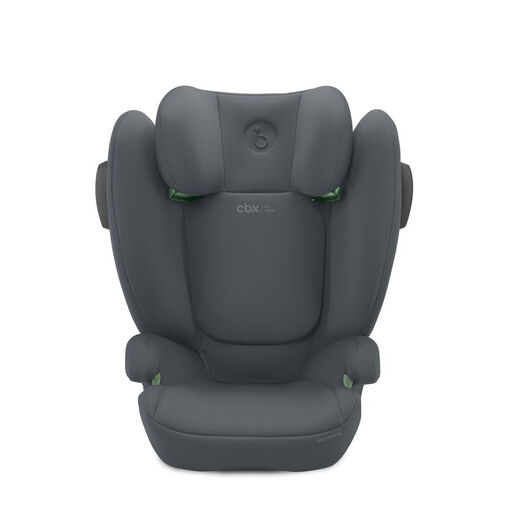
Why this product suits this profile: The seat is designed for children measuring 100–150 cm and combines ISOFIX with a height-adjustable headrest. It is an appealing choice for families looking for a straightforward seat for the next stage of growth.
The clearly stated 100–150 cm range helps prevent the seat from being mistakenly purchased for smaller children.
UN R129/04, 12-position adjustable headrest, ISOFIX and a cover that can be washed at 30 °C.
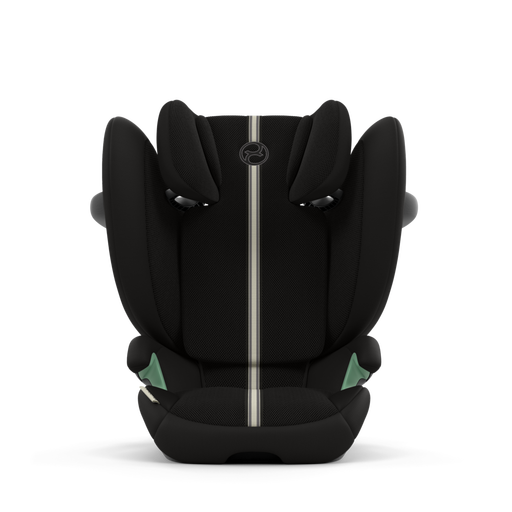
Why this product suits this profile: For families that regularly switch between vehicles, this model offers a foldable design, a carry handle and a stated range of 100–150 cm.
The folding function reduces the space needed for storage. Even so, a full installation check is required before every journey.
Foldable design, 5.8 kg weight, ISOFIX and height-adjustable headrest.
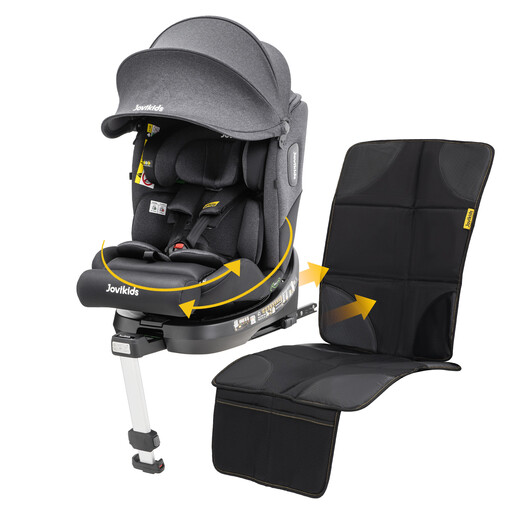
Why this product suits this profile: According to the product information, this child car seat is designed for children measuring 40–150 cm. It is aimed at families looking for a swivel seat that can be used from early childhood through to school age.
The stated change between rear-facing and forward-facing use highlights that the installation method and height range must be considered for each stage.
360° swivel function, ISOFIX with support leg, 12-position adjustable headrest and removable cover.

Why this product suits this profile: This rear-facing child car seat is designed for children measuring 61–105 cm and features an integrated base, 360° rotation and several recline positions.
The limited height range prevents the misleading assumption that one seat is equally suitable from birth until the end of the period when a child car seat is required.
UN R129/03 i-Size, ISOFIX with support leg, 360° swivel function and five recline positions.
We have put together a complete, regularly updated list of products that fully meet these strict selection criteria and the safety regulations applicable in the EU.
A high-back booster seat or booster cushion is suitable only within its respective approval range. Some models start at 100 cm, while simple booster cushions often start at 125 cm. The key point is that the three-point seat belt must pass correctly over the shoulder and pelvis.
This depends on the model, your child’s height and the condition of the seat. A seat specified for 40–150 cm can cover several stages, whereas a seat for 100–150 cm is intended only for taller children. The seat should no longer be used after an accident, if there is visible damage or if parts are missing.
The swivel function can make it easier to place your child in the seat and fasten the harness. However, it does not automatically increase safety. Check the approved direction of travel, height range, support leg and correct locking. Before buying, you should also check whether there is enough room in your vehicle for the seat to swivel.
Check that the ISOFIX indicators show that the connectors are locked, that the Top Tether is tensioned or that the support leg is firmly positioned on the vehicle floor. Then check the headrest, belt guide and belt tension. The child car seat must be installed according to the instructions – even if the vehicle is only being moved a short distance.