
Lieferung heute & morgen

Qualitätsgarantie

Willkommens-Angebote freischalten: KOSTENLOSE Lieferung | Bis zu 80 % RABATT | Kostenlose 30-Tage-JoyPlus-Testphase
App herunterladen
Choosing a new motorcycle helmet is a decision that directly impacts your safety and riding comfort. With the introduction of the new ECE 22.06 testing standard, the market has changed. Many riders are unsure what to look for and how to find a helmet that offers modern protection without breaking the bank. This guide will help you navigate common purchasing pitfalls and identify the right parameters for your needs.
Before we dive into the technical details, let's look at the pitfalls that often lead to dissatisfaction and unnecessary expense.
To avoid a bad purchase, focus on three objective criteria: the safety standard, the helmet type, and the comfort features.
The UNECE 22.06 standard is more than just a new number. It represents a significant leap forward in helmet safety. Compared to the previous 22.05 standard, the testing now includes:
An ECE 22.06 helmet therefore offers a demonstrably tested, higher standard of protection.
The choice between these two designs depends heavily on your riding profile.
Modern helmets offer more than just protection. Two features have proven to be particularly useful in daily use:
Here are a few models that meet the aforementioned criteria and are tailored to different requirement profiles.
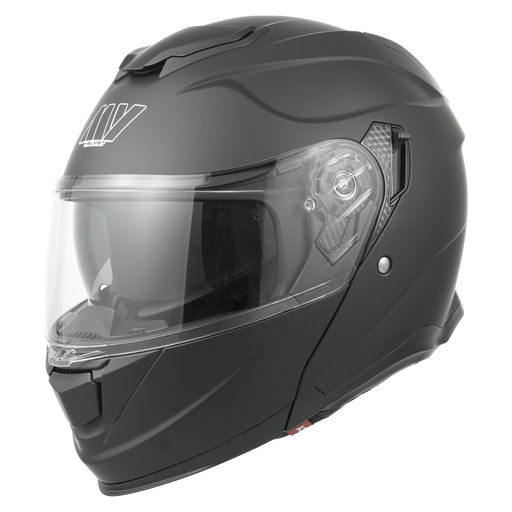
Why This Fits Their Persona: For riders who commute daily in urban areas and on country roads, the flip-up mechanism offers maximum flexibility. Quick breaks or refuelling are possible without having to remove the helmet completely.
It meets the current ECE 22.06 standard and features integrated Bluetooth readiness. This directly avoids the most common mistakes—outdated safety and costly retrofits.
The combination of a modular helmet's flexibility, the convenience of a dual visor, and readiness for modern communication technology makes it a practical everyday companion.
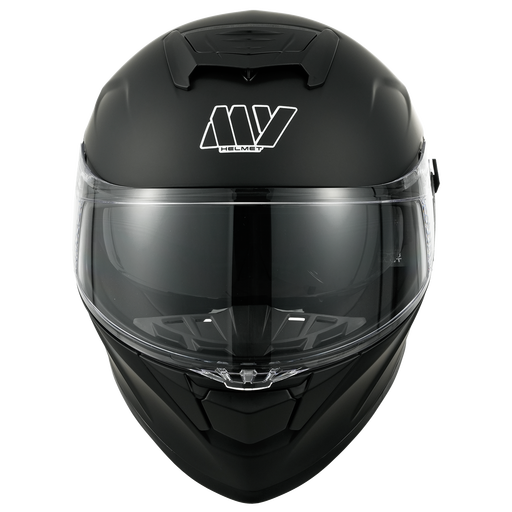
Why This Fits Their Persona: For long tours, often at higher speeds, the single-piece shell of a full-face helmet provides a high degree of structural stability and passive noise reduction.
The removable and washable liner prevents loss of comfort on long rides. The ECE 22.06 certification ensures no compromises are made on safety.
Focused on maximum protection thanks to its full-face design. The skin-friendly liner and integrated sun visor provide the necessary comfort for extended tours.
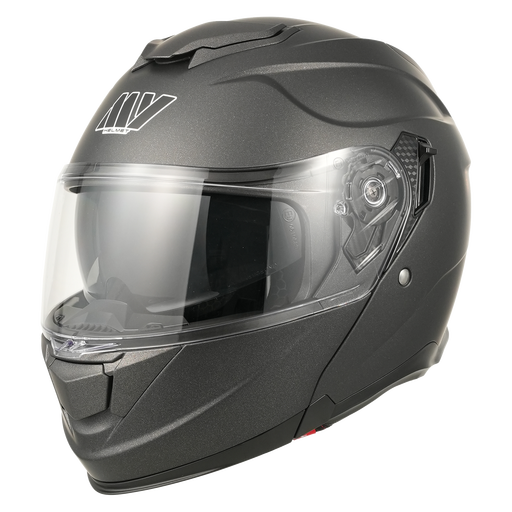
Why This Fits Their Persona: This helmet is aimed at riders looking for a modern, safe, and well-equipped helmet for daily use without having to dig deep into their pockets.
Offers a complete feature set (ECE 22.06, dual visor, Bluetooth readiness) at a price point where you would otherwise often have to compromise on the standard or comfort.
Excellent value for money. The matte titanium colour is a stylish and equally low-maintenance alternative to classic black.
We have compiled a complete, up-to-date list of products that fully meet these strict selection criteria and safety regulations.
Using a flexible measuring tape, measure the circumference of your head at its widest point, about one centimetre above your eyebrows and ears. Compare this measurement with the manufacturer's size chart. A new helmet should fit snugly without creating uncomfortable pressure points. The cheek pads may press your cheeks in slightly; this will lessen over time as the helmet breaks in.
Yes, the use of helmets tested according to ECE 22.05 is still permitted. There is no ban on wearing these helmets on the road. However, since the beginning of 2024, manufacturers in the EU are only allowed to produce helmets certified under the new ECE 22.06 standard. For the highest level of certified safety, choosing a helmet that meets the current standard is recommended.
Clean the outer shell of the helmet with a soft cloth and a mild soap solution. Avoid aggressive solvents. The visor should be treated with special visor cleaners or lukewarm water to prevent scratches. If the inner lining is removable, wash it by hand according to the manufacturer's instructions to remove sweat and dirt and maintain comfort.