
Lieferung heute & morgen

Qualitätsgarantie

Willkommens-Angebote freischalten: KOSTENLOSE Lieferung | Bis zu 80 % RABATT | Kostenlose 30-Tage-JoyPlus-Testphase
App herunterladen
A child's safety is the highest priority. However, with an abundance of products on the market, making informed decisions is often a challenge. Many products advertise safety features, but not all deliver on their promises. This guide is designed to help you avoid common purchasing pitfalls and select products based on objective criteria to create a safe environment for your child.
When selecting products for child safety, parents often encounter misleading claims or overlooked flaws that can compromise their protective function.
To avoid these pitfalls, focus on verifiable facts. The following three parameters are essential for making an informed purchasing decision.
Official seals of approval are a reliable indicator of compliance with safety standards. Look for the following labels:
The materials should be safe for use by children. Check the product description for details such as:
Carefully read the manufacturer's specifications on compatibility and assembly. Before buying, measure to ensure the product is suitable for your specific needs. Clear and detailed instructions are a sign of a well-designed product. This applies to attaching a bed rail as much as to the correct strap routing on a bicycle helmet.
Instead of making a blanket recommendation, we have identified products that meet the specific needs of families and avoid the pitfalls mentioned.
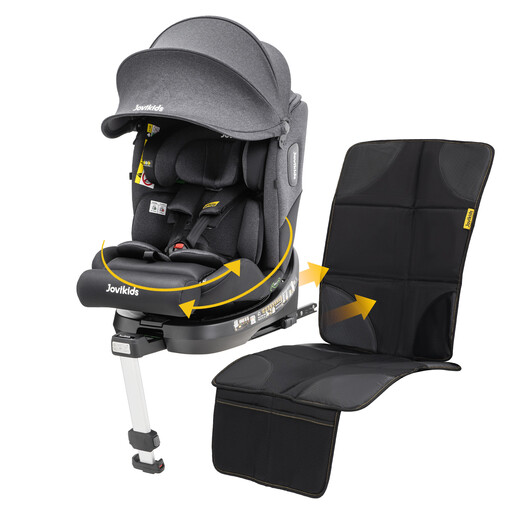
Why this product is a great fit: This seat covers the entire period of use from birth to 12 years (40–150 cm). The 360° rotation function makes it significantly easier to place and remove the child and simplifies switching between forward- and rear-facing positions.
The product is explicitly certified according to the latest i-Size ECE R129 standard, thus bypassing vague marketing promises. The classification by height ensures a precise fit throughout its entire service life.
Long-term usability from birth and the 360° rotation function for high comfort and correct handling.
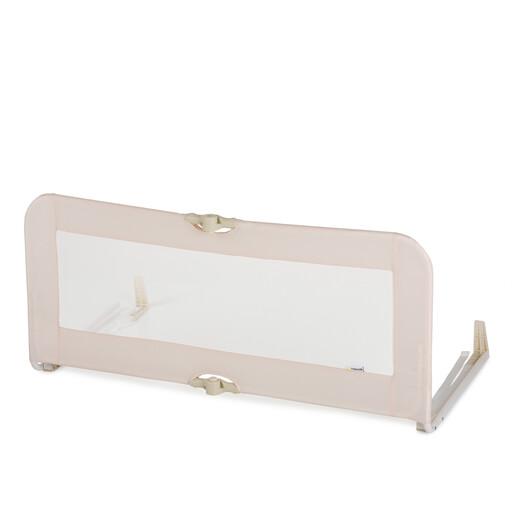
Why this product is a great fit: This bed rail offers a simple and flexible solution to protect toddlers from falling out of bed. It is foldable, making it suitable for travel or space-saving storage.
The manufacturer provides clear specifications for compatibility (bed width, length, and mattress height). This prevents the purchase of an unsuitable product and directly addresses the pitfall of poor fit.
Simple, drill-free installation using fastening straps and clear compatibility information for a secure attachment.
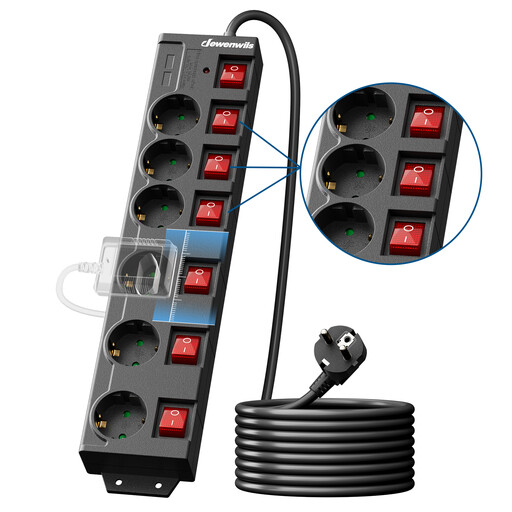
Why this product is a great fit: This power strip addresses a common household hazard. It combines practical features like individually switchable outlets with essential safety features for homes with children.
Instead of vague promises, this product offers concrete, technical safety features: an integrated child safety lock, overload protection, and a dual-pole main switch. These features are objective and verifiable.
The combination of an integrated child safety lock and individually switchable outlets increases safety while also helping to reduce standby power consumption.
We've compiled a complete, up-to-date list of products that fully meet these strict selection criteria and German safety regulations.
Measure your child's head circumference at its widest point—about one centimetre above the eyebrows and ears—with a flexible measuring tape. The helmet should fit snugly without being tight and should not shift during head movements. The straps should form a "V" around the ears, and the buckle should be adjusted so that no more than one finger fits between the chin and the strap.
i-Size, also known as ECE R129, is a European safety standard for child car seats. Unlike the older ECE R44/04 standard, which is based on the child's weight, i-Size is based on height. This makes it easier to choose the right seat. Other key features include improved side-impact protection and the mandatory rear-facing transport of children up to at least 15 months of age.
A bed rail is generally recommended when a child transitions from a cot to an open toddler bed or a regular bed. This usually happens between the ages of 18 months and 3 years. It provides a secure barrier while the child gets used to sleeping without enclosed sides. Most manufacturers, such as hauck or roba, provide an age recommendation of approximately 18 months to 5 years.