
Lieferung heute & morgen

Qualitätsgarantie

Willkommens-Angebote freischalten: KOSTENLOSE Lieferung | Bis zu 80 % RABATT | Kostenlose 30-Tage-JoyPlus-Testphase
App herunterladen
The range of care products for children is vast and can quickly become overwhelming. Colourful packaging, advertising promises, and an endless list of ingredients make it difficult for parents to make an informed decision for their children's sensitive skin. As a Joybuy Product Recommendation Officer, I see every day which products truly deliver on their promises and where the most common pitfalls lie.
This guide is designed to help you distinguish marketing hype from genuine product features and find the right childcare products for your family.
Before we delve into the key selection criteria, let's look at three common misconceptions that often lead to purchase mistakes.
To make the right choice, you should focus on a few objective parameters that are crucial for the compatibility and effectiveness of baby care products and childcare.
The International Nomenclature of Cosmetic Ingredients (INCI) lists all components in descending order of their concentration. For gentle care for sensitive skin, you should pay attention to the following points:
Children's skin is thinner than adults', and its natural protective barrier, the acid mantle, is not yet fully developed. This mantle has a slightly acidic pH value (around 5.5). Care products should be pH-balanced to avoid disrupting this barrier. Products that are too alkaline (like classic soaps) can dry out the skin and make it more susceptible to irritation. A tear-free children's shower gel is often an indicator of a mild, pH-adjusted formula.
The needs of skin and teeth change with age.
Here are some product recommendations tailored to the specific needs of parents.
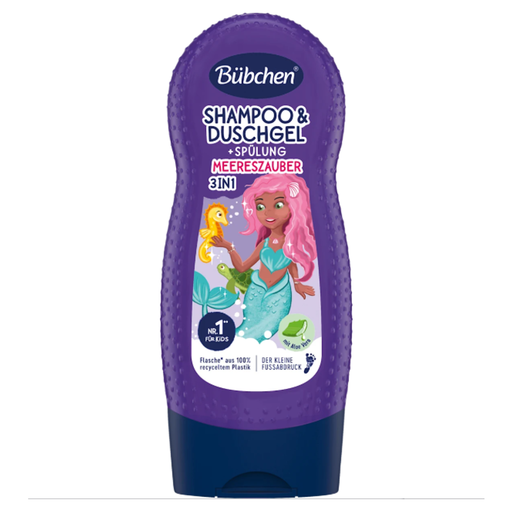
Why This Fits Their Persona: Ideal for parents who prefer an uncomplicated and fast care routine. This product combines shampoo, conditioner, and shower gel in one bottle, making bath time child's play.
It debunks the myth that you need many different products. The 3-in-1 solution is functional, and the formula is pH-balanced and free from mineral oils and silicones.
Combines cleansing and care; pH-balanced formula with Aloe Vera and Panthenol; makes hair easier to comb.
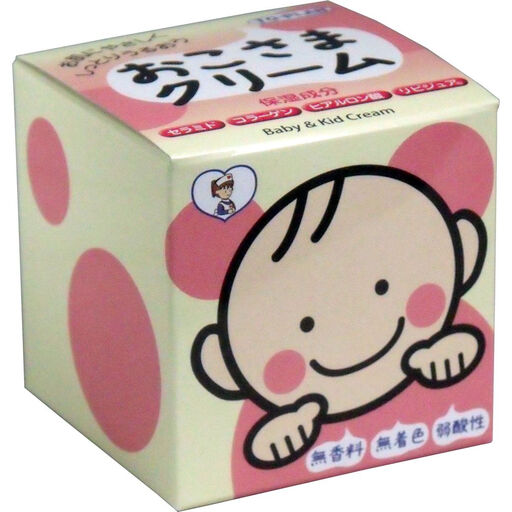
Why This Fits Their Persona: For parents whose children are prone to dry or rough skin. This cream provides intense moisture for the face and body without leaving a sticky residue.
Instead of relying on vague "natural" promises, this cream uses proven active ingredients like ceramides and hyaluronic acid. It is fragrance- and dye-free and mildly acidic, making it ideal for sensitive skin.
Formula with ceramides, collagen, and hyaluronic acid; fragrance- and dye-free; pH-balanced (mildly acidic); suitable for face and body.
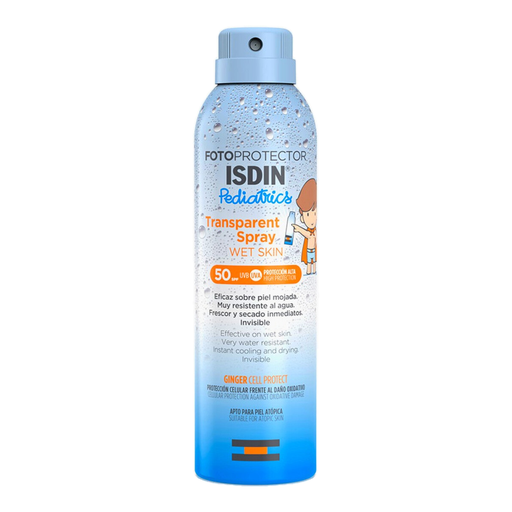
Why This Fits Their Persona: Perfect for the beach or the outdoor pool. This sunscreen can be sprayed directly onto wet skin, which significantly simplifies reapplication on active children.
This product is an example of meaningful specialisation. It solves a real-world application problem (reapplying to wet skin) and combines this with very high protection and suitability for skin prone to atopic dermatitis.
Application on wet and dry skin; very high protection (SPF 50+); very water-resistant; absorbs quickly and is transparent.
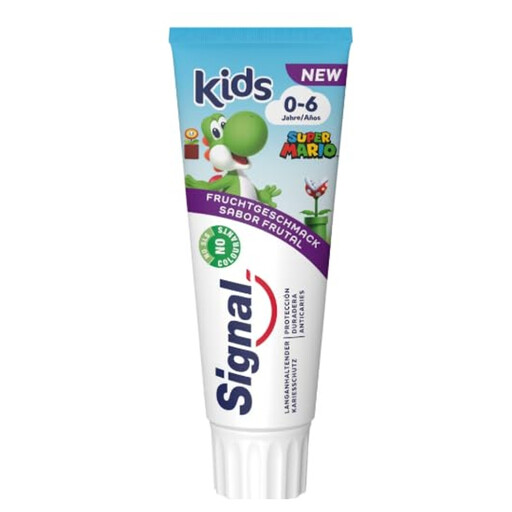
Why This Fits Their Persona: For parents who want to establish a positive brushing routine. The mild fruit flavour motivates children, while the fluoride content protects their primary teeth.
Here, function takes precedence over packaging. The toothpaste delivers the recommended fluoride content for primary teeth (1000 ppm F), thus meeting a key criterion of dental prophylaxis.
Age-appropriate fluoride content to protect against cavities; mild, child-friendly flavour; gentle cleaning for primary teeth.
We have compiled a complete, up-to-date list of products that fully meet these strict selection criteria and German safety regulations.
1. From what age should you use special childcare products? Special baby care products are recommended from birth, as they are tailored to the particularly sensitive skin of newborns (e.g., fragrance-free, very mild formulas). Once children become more active (from around 3 years old), you can switch to products for toddlers, which often provide a slightly better clean while remaining very mild and pH-balanced.
2. How often should you bathe and moisturise children? Less is often more. For babies and toddlers, two to three baths per week are usually sufficient to prevent the skin from drying out. Daily bathing is generally not necessary unless the child is very dirty. A children's cream for dry skin should be applied after every bath and as needed in between to strengthen the skin barrier.
3. How do I recognise a good children's sunscreen? A good children's sunscreen offers high broad-spectrum protection (SPF 50+ and UVA protection), is water-resistant, and is formulated for sensitive skin (fragrance-free). For babies and toddlers, mineral filters are often a good choice. Also, look for ease of application (e.g., as a spray) to apply the protection quickly and without gaps.