
Lieferung heute & morgen

Qualitätsgarantie

Willkommens-Angebote freischalten: KOSTENLOSE Lieferung | Bis zu 80 % RABATT | Kostenlose 30-Tage-JoyPlus-Testphase
App herunterladen
The right board game should suit your children’s ages, the number of players and your family’s day-to-day routine. But choosing children’s games and family games can often lead to a disappointing purchase: the rules are too complicated, each round takes too long or important little pieces go missing soon after you open the box.
‘Ages 6+’ is the manufacturer’s recommendation, but it doesn’t automatically reflect every child’s abilities. Some children in this age group may still need plenty of help with a game that has lots of rules. On the other hand, older children may quickly lose interest in a game that’s too simple.
So it’s worth checking:
Some games are described as family games but only really work with three or four players. For a two-person household, card games for children, dice games or games with a solo option are often more practical.
It’s also worth being realistic about the maximum number of players. Too many players can mean long waits, while games where everyone plays at the same time keep all players involved.
Playing pieces, counters, dice and cards are part of many board games. But small parts that could be swallowed may pose a risk to children under 3. Always read the warnings on the packaging before buying and before playing for the first time.
Games such as Schmidt Spiele 49189 Family Games and KOSMOS 697679 The School of Magical Animals carry clear warnings about small parts and age limits. After playing, it’s a good idea to check that all the pieces are there and store them somewhere dry and enclosed.
Games for ages 3+ usually work best when they have short turns, large pieces and simple colour-based or movement-based mechanics. According to its product details, Schmidt Spiele’s ‘Bobo the Dormouse’ is designed for 2 to 4 players aged 3+ and takes around 10 minutes to play. Players move using colours and a large die.
Games for ages 5+ can introduce puzzles, reaction challenges or collecting mechanics. Kosmos’s ‘EXIT – The Game Kids: Monster Puzzle Fun’ is designed for 1 to 4 players aged 5+. Its challenges offer a child-friendly introduction to escape-room-style games. An adult can help children aged 5 to 7 understand the puzzles.
For a regular family games night, check that the recommended number of players matches the size of your group. A game lasting around 10 to 20 minutes is often a good starting point or a suitable choice for younger children. Longer strategy games are better suited to families who can set aside enough time to play a full game.
If you prefer games that offer plenty of choice, try a games collection. Schmidt Spiele’s ‘Family Games, Children’s Games, Classics’ contains five classic games and is recommended for ages 3+, according to the product description. It offers a range of different ways to play, but you’ll need more space and a bit more room to store everything.
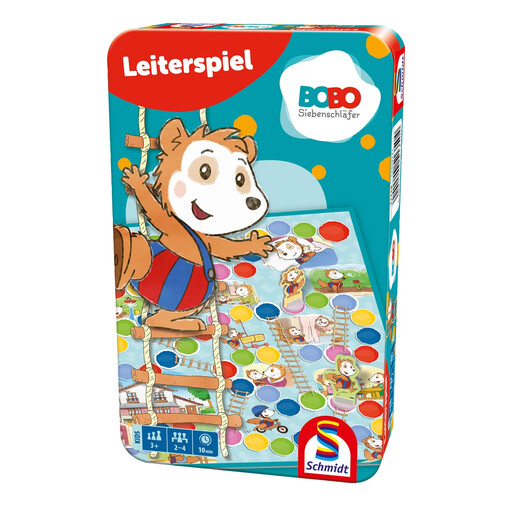
Why it suits this profile: Designed for 2 to 4 players aged 3+, this game lasts around 10 minutes, making it a great choice for your first games together.
Colour-based moves and a large die keep the rules simple. The recommended age and short playing time are clearly stated.
For 2 to 4 players, around 10 minutes of play and no batteries required.

Why it suits this profile: This co-operative board game for 1 to 4 players aged 6+ combines a rotating game board, dice and event cards.
The shared goal means no one player is left out for the rest of the game. Read the instructions together before your first game.
Co-operative gameplay, changing routes across the rotating board and no batteries required.
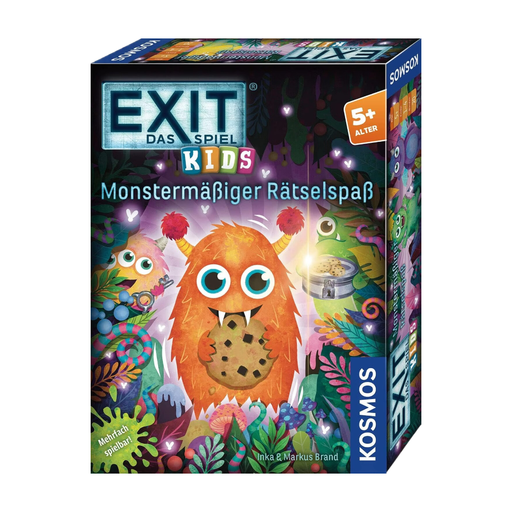
Why it suits this profile: Designed for 1 to 4 players aged 5+, this puzzle game offers a themed introduction to co-operative challenges and can be played without an app.
The product details describe the rules as easy to understand. The optional Kosmos app adds a timer and hints, but you don’t need it to play.
For 1 to 4 players, with child-friendly puzzle mechanics and no batteries required.
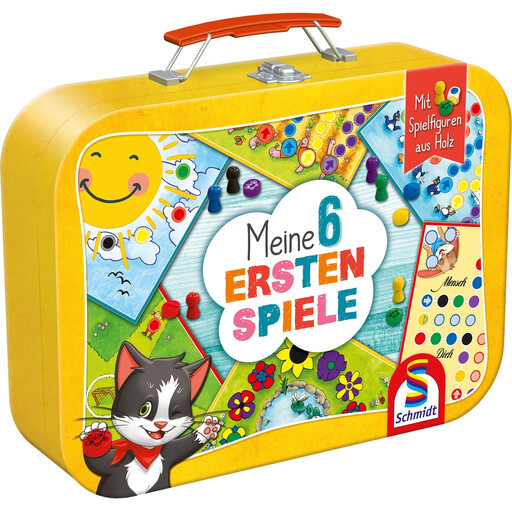
Why it suits this profile: This collection includes six colour-dice and skill games for 2 to 4 children aged 3+, making it a versatile gift idea for children.
With several different games to choose from, there’s less chance of one type of gameplay becoming boring too quickly. Still, remember to collect all the small pieces after every game.
Six games in one box, for 2 to 4 players and recommended for ages 3+.
We’ve put together a complete, regularly updated list of products that meet these strict selection criteria and fully comply with the safety regulations in force in the EU.
Look for games with simple colour, movement or matching rules and short playing times. Check the manufacturer’s age recommendation, the size of the pieces and any warnings. An adult should explain the game during the first few rounds and make sure children don’t put any pieces in their mouths.
Around 10 to 15 minutes can work well for children aged 3 and over. Children aged 5 or 6 may enjoy longer games, as long as the rules stay manageable. The key is whether you can pause a game at any time or come back to it later.
Co-operative children’s games can bring children of different ages together, as everyone makes decisions as a team. Adults can involve younger children by asking questions and explaining things without making every decision for them. Before buying, check that the challenges are right for the youngest player and that the recommended number of players suits your family.