
Lieferung heute & morgen

Qualitätsgarantie

Willkommens-Angebote freischalten: KOSTENLOSE Lieferung | Bis zu 80 % RABATT | Kostenlose 30-Tage-JoyPlus-Testphase
App herunterladen
Children’s vehicles range from simple construction vehicle toys to electric motorbikes and children’s electric scooters. There’s plenty of choice, but product images and feature claims don’t always make it clear whether a model is right for your child’s age, height and intended use. Before buying, parents, grandparents and anyone shopping for a gift should check a few practical and technical details.
Lights, music, spray effects, spins and remote controls may look exciting at first. But complex controls can quickly overwhelm a younger child. A manual construction vehicle with a crane arm and tipping trailer may be more suitable for a child aged 3 and over than a motorised model that needs constant supervision.
What matters isn’t the number of features, but whether they suit your child’s development and the environment where they’ll be used.
The recommended age is only a starting point. With an electric vehicle, you should also check the maximum load, seat height, handlebar position and foot platform. A model for children aged 3 to 6 won’t necessarily suit every child in that age group.
Height and weight are particularly important when choosing an electric scooter for children. According to the product details, the Segway-Ninebot C2 Lite is designed for children aged 6 to 10, between 115 and 145 cm tall, with a maximum load of 50 kg.
A battery-powered children’s vehicle needs not only a suitable charging time, but also an appropriate place to store it. Check whether the charger is included, roughly how long a charge lasts and whether the battery should only be charged with the supplied charger.
With RC models, batteries for the remote control aren’t always included either. The Spider RC Car, for example, is listed with a built-in 3.7-V battery, while its remote control requires two AA batteries.
For a gift for children aged 3 and over, sturdy vehicles that are operated manually and don’t have small, loose accessories are often a good choice. A construction vehicle toy with a rotating crane, shovel or tipping function encourages imaginative play without needing to charge a battery.
A remote-control car for children aged around 6 and over may offer several controls and stunt features. Adults should first check that the child can operate the remote with confidence and that there’s enough clear space to play.
ABS plastic is used in many children’s vehicles. It’s still worth checking:
An off-road toy may be suitable for grass or sand, but that doesn’t mean it’s designed for wet surfaces, stairs or steep slopes. Water features should only be used if the product description explicitly says they’re suitable.
When choosing an electric motorbike for children, consider the voltage, top speed, charging time and maximum load together. The 12-V children’s motorbikes with Aprilia styling are described as having two motors, a stated speed of 5.5 to 6 km/h and a maximum load of 30 kg. The stabilisers provide extra stability by creating a triangular base.
An electric scooter for children is legally different from a toy vehicle. According to the product details, the Segway-Ninebot C2 Lite must not be used on public roads. Before buying and every time you use it, check the applicable traffic rules, where it can be used and the manufacturer’s guidance. A helmet and suitable protective equipment are essential when riding.
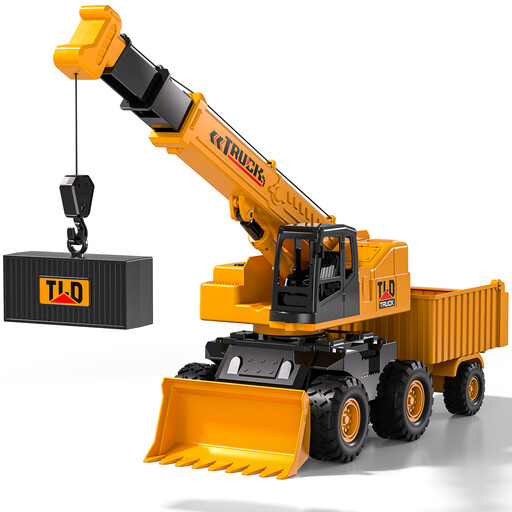
Why it suits this type of buyer: This manual construction vehicle toy doesn’t need batteries and brings several play ideas together in one vehicle. According to the product description, it’s designed for children aged 3 and over.
The features are operated manually, so there’s no need to worry about charge levels, remote controls or changing batteries.
Telescopic arm, hook, tipping trailer and front shovel; large tyres for sand, grass and hard surfaces.
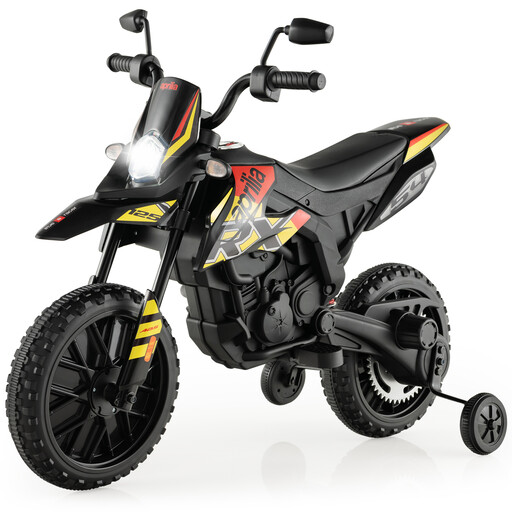
Why it suits this type of buyer: According to the seller, this electric motorbike is for children aged 3 to 8 and combines stabilisers, a seat, footrests and suspension.
The stated speed, weight and age guidance make it easier to check whether it’s right for your child, rather than choosing on looks alone.
12-V battery, two motors, stabilisers and a stated run time of 1 to 2 hours per charge.
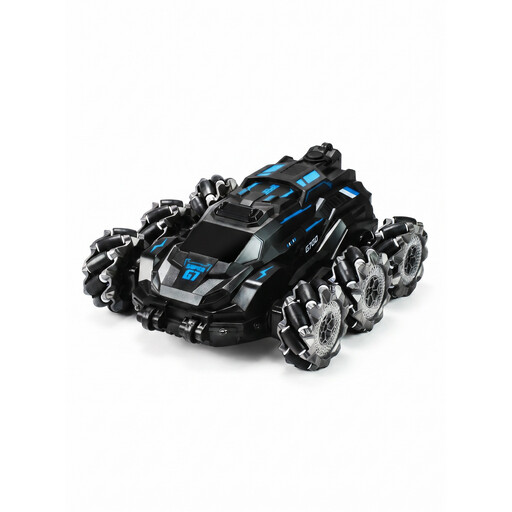
Why it suits this type of buyer: According to the seller, this RC stunt car is for children aged 6 and over. It features 6WD, drifting and spinning functions, LED lights and a water spray effect.
The 2.4-GHz remote control and recommended age range make the level of control required clearer. The product description specifies that the spray effect uses clean water.
6WD, treaded tyres, 7.4-V lithium battery, plus hand and watch control according to the product description.
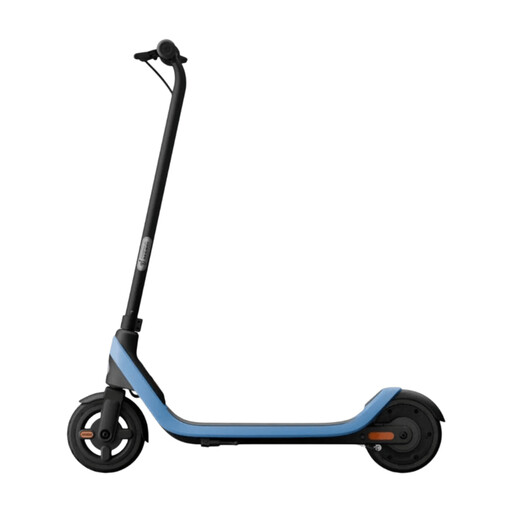
Why it suits this type of buyer: The scooter is listed for children aged 6 to 10 who are between 115 and 145 cm tall, and is suitable for supervised riding on private property.
The technical limits are clearly stated: a top speed of 16 km/h, a range of up to 14 km, a maximum load of 50 kg and three riding modes.
7-inch solid rubber tyres, drum brake, folding frame and IPX4 splash resistance according to the product details.
We’ve put together a complete, regularly updated list of products that meet these strict selection criteria and the safety regulations applicable in the EU.
Manual vehicles such as a toy crane truck or a multi-part construction vehicle are worth considering for children aged 3 and over. Check the specific age recommendation, the size of any accessories and the quality of the finish. Electric models should only be used under direct supervision and in line with the manufacturer’s guidance.
Run time depends on battery capacity, motor, surface, load and riding style. The 12-V children’s motorbikes described above are listed with a run time of 1 to 2 hours per charge. This is a guide only, and actual use may vary. Check the charger, charging time and availability of replacement parts before buying.
The main running costs for an RC model are electricity to charge the battery and, if needed, batteries for the remote control. Wear-and-tear parts such as tyres or gears may also need replacing. Storing the car in a dry place, charging it with the recommended charger and using it on suitable surfaces can help keep maintenance to a minimum.