
Lieferung heute & morgen

Qualitätsgarantie

Willkommens-Angebote freischalten: KOSTENLOSE Lieferung | Bis zu 80 % RABATT | Kostenlose 30-Tage-JoyPlus-Testphase
App herunterladen
A night light in a child’s bedroom should help you find your way at night without lighting up the room unnecessarily. So when choosing one, it’s not just the colour and design that matter. Unclear details about brightness, sensors or power supply can mean a product doesn’t fit your everyday routine, available sockets or child’s age.
An RGB night light can display seven or more colours, making it suitable as a decorative lamp too. For finding your way at night, however, it’s important to check whether it also offers a dimmed warm white night light. Colour changes or vivid shades may not suit every sleeping environment. Check whether you can adjust the colour, brightness and lighting mode separately.
A night light with a motion sensor usually switches on only when it detects movement and the ambient light is low. Detection range and angle vary. For example, the GRIFEMA model is specified as having a range of up to 3 metres and a 120° detection angle. According to the product description, it also switches off after 60 seconds without movement. This automatic function may be useful in a child’s bedroom, while a light that stays on to help you find your way needs different controls.
A rechargeable night light can be placed wherever you need it, such as on a bedside table or in the hallway, but it needs regular charging. A plug-in night light is ready to use straight away, but takes up a socket and has to stay in one place. Batteries are not always included with decorative battery-operated lights. Before buying, check how the light charges, how the battery is used and where the product can be positioned.
Technical brightness details are more useful for night-time visibility than marketing terms such as ‘soft’ or ‘especially comfortable’. Some models specify light output in lumens, while others offer several brightness settings. According to its product details, the GRIFEMA night light has five settings from 20 to 100 per cent and a warm white colour temperature of 2700 Kelvin.
A dimmable night light can be adjusted to suit different situations: a low setting for sleeping, and a brighter one for getting up or changing a baby. A colour temperature of around 2700 to 3000 Kelvin is described as warm white. You should also check whether the settings are saved when the light is switched off, or need to be selected again.
A night light with a timer switches off automatically after a set time. This can be useful if you only want the light on for a limited period. The Jolywell egg night light is described as having touch controls and a timer function; however, the product information says it is not suitable for children under three.
A night light with a motion sensor is better suited to pathways, hallways, stairs or trips to the bathroom at night. A touch-controlled model may work well on a bedside table. Check where the controls are and whether your child can reach the product. Electrical devices should not be left unsupervised in the hands of young children.
For an LED night light with a power consumption of 0.3 to 1 watt, running costs are low relative to its power rating. The actual cost depends on how long it’s used and your electricity tariff. For USB models, use a suitable charger with the specified ratings.
Material details such as ABS, PC, metal or glass can help you assess weight and care requirements, but they don’t replace a safety check. Products made with glass, small parts or easily accessible battery compartments should be kept out of reach of young children. Use in damp rooms is only suitable when the product description explicitly says so. Several of the models mentioned are intended for indoor use only and must not come into contact with water or moisture.

Why it suits this profile: This plug-in night light combines five brightness settings with motion and dusk sensors. According to the product details, it doesn’t need batteries.
The product description gives specific sensor details, five brightness settings and an automatic switch-off after 60 seconds, rather than making vague claims about brightness.
2700 Kelvin, 0.5 watt, five brightness settings and a detection range of up to 3 metres, according to the product details.
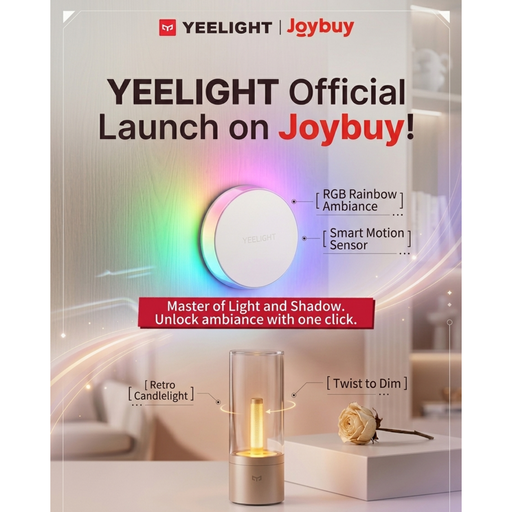
Why it suits this profile: This model offers 11 preset effects, a motion sensor, USB-C charging and magnetic mounting.
The controls and placement options are clearly set out. Its rechargeable design means it doesn’t have to stay plugged into a socket.
USB-C, magnetic mounting, motion sensor and 11 preset lighting effects, according to the product description.
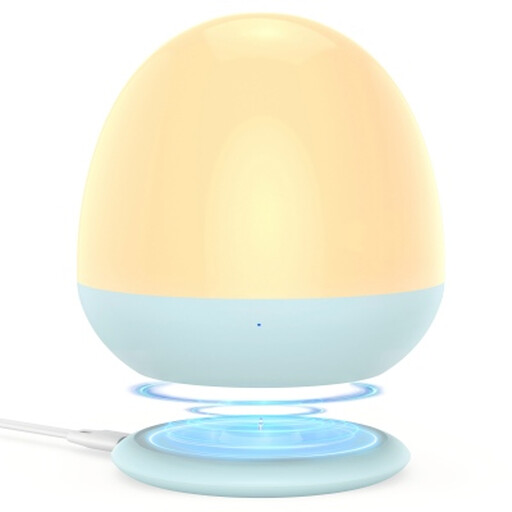
Why it suits this profile: This egg-shaped model has touch controls, a timer and a charging station with both wired and wireless charging options.
The charging method and timer function are clearly described. Check the age guidance of three years and over before use.
Touch controls, a timer and two specified charging options; made from ABS and PC.
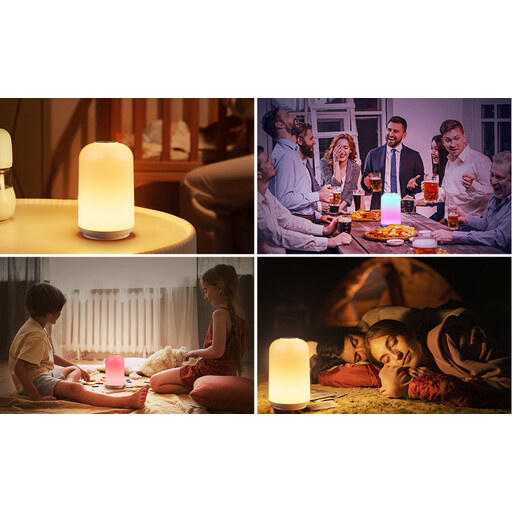
Why it suits this profile: This rechargeable night light can be used without being plugged in, and offers warm white light as well as seven RGB colours.
The product details distinguish between warm white and RGB modes, as well as between stepless dimming and colour changes.
12 SMD LEDs, 40 lumens, USB charging, a built-in rechargeable battery and an ambient light sensor, according to the product description.
We’ve put together a complete, regularly updated list of products that fully meet these strict selection criteria and the safety regulations in force in the EU.
There’s no single brightness level that suits every situation. A low setting is often enough to help you find your way. A dimmable night light lets you adjust it to the room size, where it’s placed and your daily routine. You may need a brighter setting for changing a baby or getting up.
That depends on the manufacturer’s guidance, the design and the power supply. Check the power consumption, ventilation, charging instructions and recommended usage time. For USB and rechargeable models, make sure the charger is compatible. Do not open or modify the device.
A motion sensor is useful for short trips and switches the light on only when it detects movement in the dark. A timer is a good choice if you want the baby night light or children’s light to stay on for a set period. A low brightness setting combined with a timer may also work well in a child’s bedroom. The right choice depends on your child’s age, where the light will be placed and how you want to operate it.